This Humanoid Robot Is a Terrifyingly Competent Office Intern
Swiss startup Flexion Robotics has developed a simulation-first training method that allows humanoid robots to autonomously perform complex office chores.
technologyreview.comwired.com
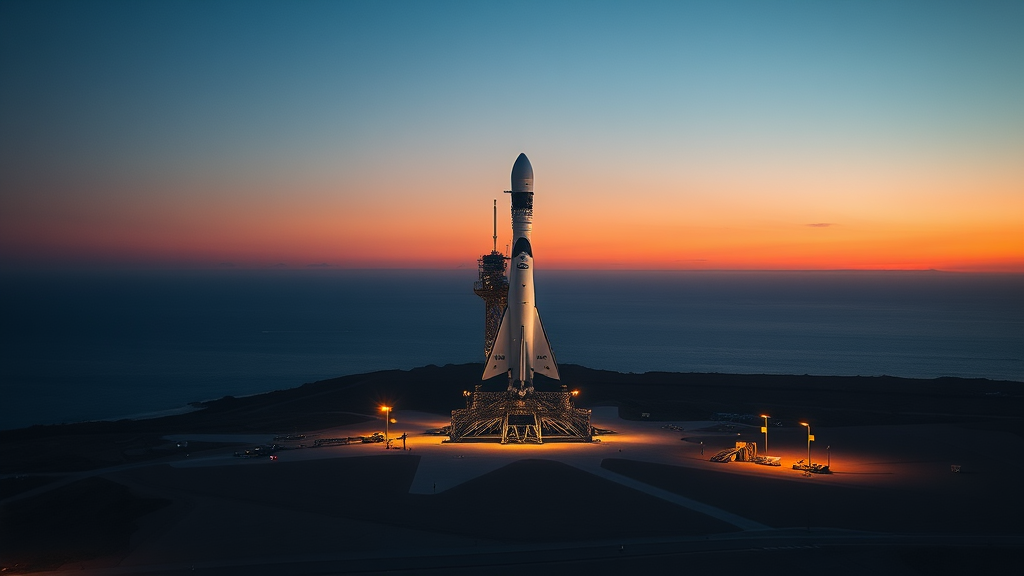
Elon Musk has filed preliminary regulatory documents to take SpaceX public in what is poised to become the largest initial public offering in history, targeting a rumored valuation of more than $1 trillion. The leaked filing reveals an unconventional financial structure that positions retail investors to absorb significant risk despite nearly $5 billion in losses last year.

The S-1 filing outlines an aggressive growth narrative built on a projected total addressable market that exceeds the entire annual economic output of the United States. Financial analysts are already drawing comparisons to historic high-profile market failures, warning that the offering relies more on speculative momentum than traditional balance-sheet fundamentals.
According to details leaked from the S-1 filing, SpaceX is seeking a valuation that comfortably clears the $1 trillion threshold. This astronomical figure comes despite the company recording nearly $5 billion in net losses over the previous fiscal year. The financial gap highlights the speculative nature of the business model, which relies heavily on capital-intensive Starlink deployments.
The sheer scale of these losses would typically deter public market investors. However, the company's dominant position in commercial spaceflight has allowed it to bypass standard valuation metrics. Investment bankers are reportedly positioning the massive capital expenditure as a necessary precursor to global satellite dominance.
To justify its trillion-dollar valuation, the IPO documentation presents an extraordinarily optimistic view of the company's future revenue potential. The filing lists SpaceX’s total addressable market at $28.5 trillion. This figure represents the total potential revenue the company believes it could capture if it secured its entire theoretical customer base across all global industries.
This projection has drawn immediate skepticism from economists. By comparison, data from the Federal Reserve Bank of St. Louis puts the entire gross domestic product of the United States at just over $24 trillion. The filing essentially claims that SpaceX's market potential is larger than the entire American economy, an assertion that critics argue stretches the boundaries of financial credibility.
The aggressive framing of the S-1 has prompted market observers to compare the filing to previous high-profile corporate collapses. A report on the offering compares the document's logic to the infamous WeWork IPO filing, which similarly relied on inflated metrics and community-focused rhetoric rather than concrete revenue streams.
While WeWork was widely dismissed as a corporate joke before its collapse, analysts warn that SpaceX represents a far more potent threat to market stability. The company's actual physical infrastructure and defense contracts give it a veneer of stability that earlier dot-com or real estate bubbles lacked, potentially drawing in much larger pools of public capital.
The structure of the proposed public offering suggests that institutional backers and early insiders may use the listing to liquidate their positions. This setup leaves retail buyers holding the majority of the long-term risk if the company's capital-intensive projects fail to achieve profitability. The high costs of deep-space exploration continue to drain cash reserves.
Musk's history of utilizing his public companies to fund other ventures also introduces unique governance risks. With a board of directors historically deferential to his decisions, public shareholders may find themselves with limited recourse if capital is diverted. The upcoming public listing will test whether retail enthusiasm can overcome these stark balance-sheet realities.
Subscribe wiring is coming soon. For now, follow the daily news feed or connect on LinkedIn for updates.
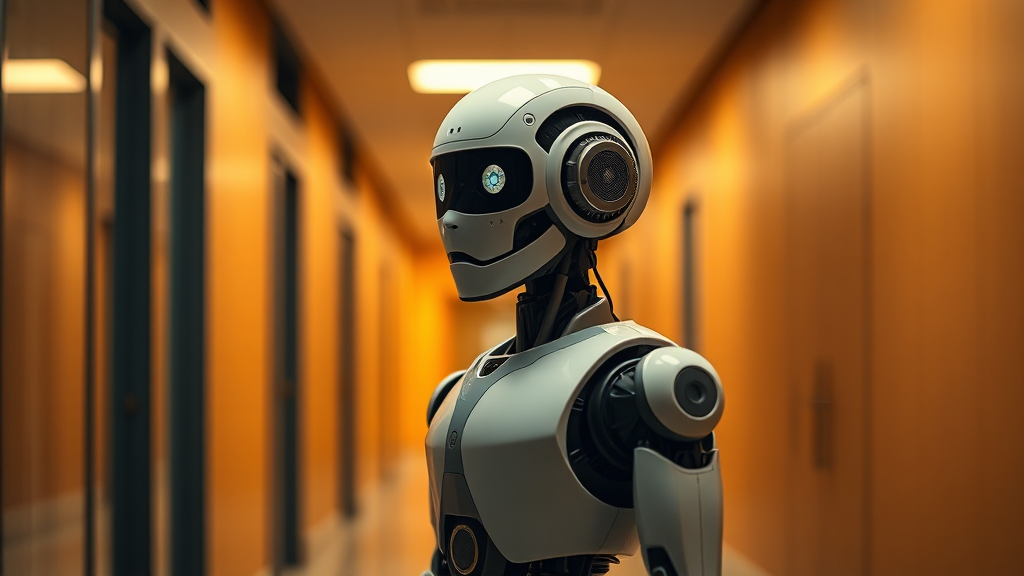
Swiss startup Flexion Robotics has developed a simulation-first training method that allows humanoid robots to autonomously perform complex office chores.

The arson trial of Jonathan Rinderknecht ended in a mistrial after prosecutors introduced his ChatGPT conversational history as evidence of intent, sparking pushback from jurors.

Apple's appeal against a London Court of Appeal ruling begins Monday at the UK Supreme Court, challenging a $502 million patent licensing requirement.