This Humanoid Robot Is a Terrifyingly Competent Office Intern
Swiss startup Flexion Robotics has developed a simulation-first training method that allows humanoid robots to autonomously perform complex office chores.
technologyreview.comwired.com
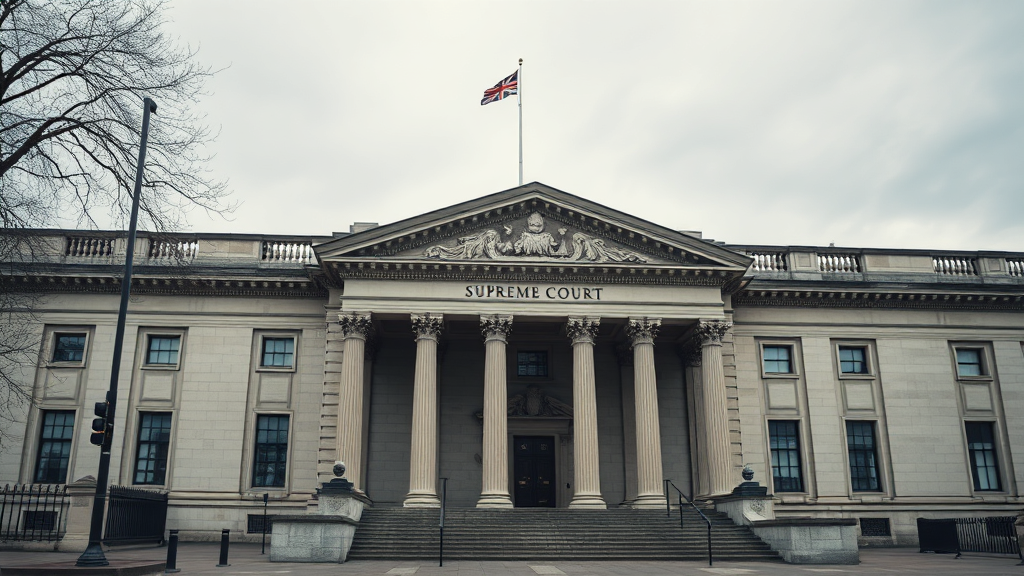
Apple's appeal against a London Court of Appeal ruling that could force the tech giant to pay $502 million to patent-holding firm Optis begins Monday at the UK Supreme Court. The landmark case centers on the licensing of standard-essential wireless patents used in iPhones and other mobile devices.

The legal battle has drawn intense scrutiny from the global technology and telecommunications sectors. At stake is the UK judiciary's power to set global licensing rates for proprietary technologies, a mechanism that Apple argues exceeds the court's jurisdiction but which patent holders defend as necessary to prevent infringement.
The dispute began when Optis Cellular Technology and its affiliates sued Apple for infringing patents essential to 3G and 4G LTE standards. These standard-essential patents are critical for mobile connectivity. Under international standards, patent holders must license these technologies on fair, reasonable, and non-discriminatory terms.
According to the Financial Times report on the upcoming appeal, Optis alleges that Apple has used its technology without paying appropriate royalties. Apple contends that Optis is demanding exorbitant rates that do not reflect the actual value of the patented technology.
The UK courts have established a unique precedent allowing them to determine global licensing rates. If a manufacturer refuses to accept the court-mandated global rate, the court can issue an injunction. This injunction would block the manufacturer from selling its devices in the UK market.
Apple has previously challenged this framework, arguing that a single national court should not dictate global commercial terms. Alistair Gray's analysis of the patent dispute notes that the threat of a UK sales ban places immense pressure on multinational device makers to settle.
At the Supreme Court, Apple's legal team is expected to argue that the Court of Appeal erred in upholding the $502 million licensing requirement. Apple maintains that the current system allows patent-holding companies to extract inflated fees through the threat of market exclusion.
The FT coverage of the $502 million figure highlights that Apple has previously threatened to withdraw its products from the UK market if the financial terms set by the courts are commercially unviable. However, industry analysts view a total market exit as highly unlikely.
The Supreme Court's decision could reshape how intellectual property is licensed worldwide. If the court rules in favor of Optis, it will solidify the UK's position as a preferred forum for patent holders seeking global licensing determinations. This could lead to higher licensing costs for hardware manufacturers.
Conversely, a ruling in Apple's favor could curb the ability of national courts to set global rates. This outcome would force patent holders to litigate disputes on a country-by-country basis, significantly increasing the complexity and cost of enforcing standard-essential patents globally.
Subscribe wiring is coming soon. For now, follow the daily news feed or connect on LinkedIn for updates.

Swiss startup Flexion Robotics has developed a simulation-first training method that allows humanoid robots to autonomously perform complex office chores.
The arson trial of Jonathan Rinderknecht ended in a mistrial after prosecutors introduced his ChatGPT conversational history as evidence of intent, sparking pushback from jurors.
Apple hardware executive Paul Meade is reportedly leaving the company to join OpenAI's expanding hardware division amid a leadership reshuffle at Apple.