This Humanoid Robot Is a Terrifyingly Competent Office Intern
Swiss startup Flexion Robotics has developed a simulation-first training method that allows humanoid robots to autonomously perform complex office chores.
technologyreview.comwired.com
Apple vice president Paul Meade, who led hardware engineering for the $3,499 Vision Pro headset, is leaving the company to join OpenAI’s hardware division, Bloomberg reported on Saturday. The departure marks a significant loss for Apple's spatial computing group as the company manages slow sales for its high-end wearable and pivots toward lighter, daily-wear smart glasses.

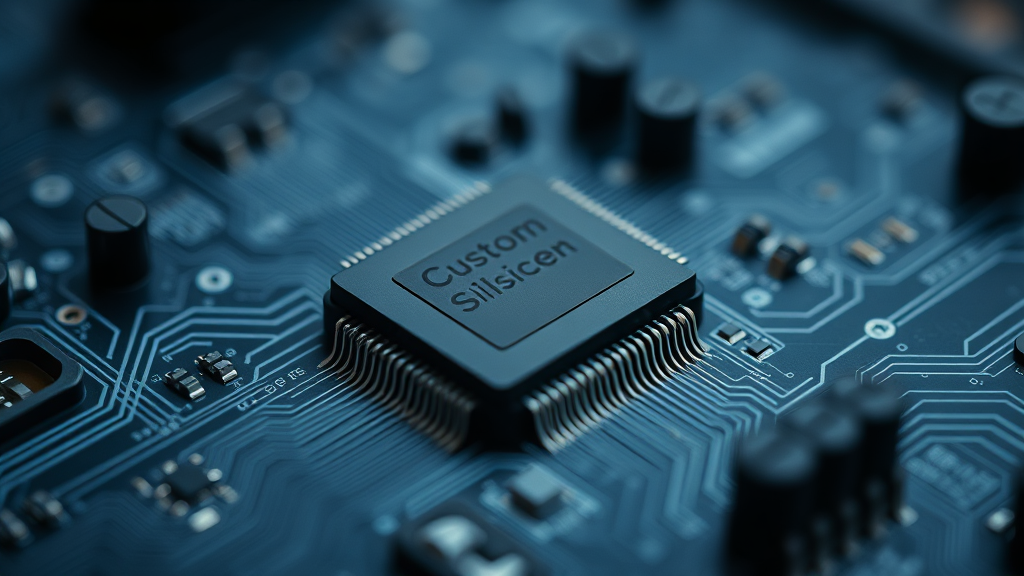
Meade's exit coincides with a broader restructuring of Apple's hardware engineering division under John Ternus. At OpenAI, Meade joins an expanding hardware team that is reportedly developing custom silicon and collaborating with external designers on new consumer AI devices.
According to a report on the departure, Meade's decision to leave follows organizational shifts initiated by Ternus, who is positioned as a likely successor to Apple CEO Tim Cook.
The restructuring of the hardware engineering team reportedly left several vice presidents feeling sidelined or effectively demoted, prompting executive departures. Meade's exit represents one of the most high-profile departures from this group since the reorganization began.
Meade was not only responsible for the Vision Pro hardware but also reportedly led development of Apple's upcoming lightweight, AI-powered smart glasses. Apple plans to launch these glasses next year.
Apple hopes these more affordable wearables will compete more effectively against Meta's smart glasses, especially after the $3,499 Vision Pro struggled to find a mass market.
Meade's transition to OpenAI leaves a leadership gap in this critical initiative just as Apple attempts to counter Meta's momentum in the smart eyewear category.
OpenAI has steadily built out its hardware capabilities to reduce its reliance on third-party providers and explore dedicated physical form factors.
The company is currently collaborating with Jony Ive, Apple's former chief design officer, on a quiet, screenless AI device intended to offer a less intrusive user experience than traditional smartphones.
Beyond consumer devices, OpenAI is investing heavily in custom silicon. An analysis of custom chip trends notes that OpenAI is developing "Jalapeño," a custom inference chip designed in partnership with Broadcom.
The push into custom silicon aims to mitigate single-supplier risk and lower the massive operational costs of running large language models.
Meade's recruitment is part of a larger executive hiring spree at OpenAI. The company has aggressively poached leaders from major technology and logistics firms to manage its rapid global expansion and scaling challenges.
For example, OpenAI recently appointed former Uber executive Prabhjeet Singh as its first managing director for India.
To support this international growth, OpenAI is establishing several regional hubs:
Singh will report to Kiran Mani, OpenAI's managing director for Asia Pacific, starting in September.
Subscribe wiring is coming soon. For now, follow the daily news feed or connect on LinkedIn for updates.
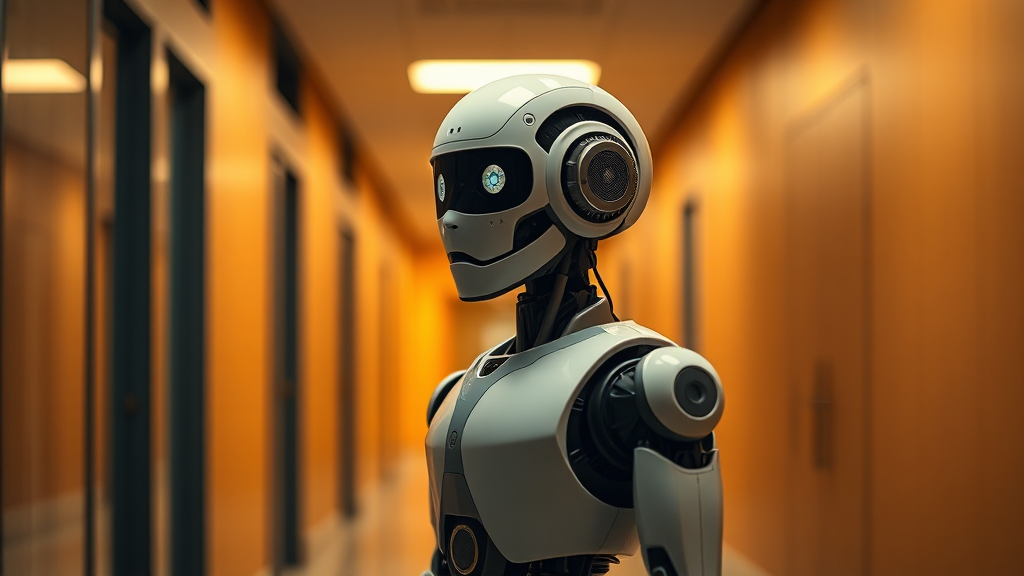
Swiss startup Flexion Robotics has developed a simulation-first training method that allows humanoid robots to autonomously perform complex office chores.

The arson trial of Jonathan Rinderknecht ended in a mistrial after prosecutors introduced his ChatGPT conversational history as evidence of intent, sparking pushback from jurors.

Apple's appeal against a London Court of Appeal ruling begins Monday at the UK Supreme Court, challenging a $502 million patent licensing requirement.