This Humanoid Robot Is a Terrifyingly Competent Office Intern
Swiss startup Flexion Robotics has developed a simulation-first training method that allows humanoid robots to autonomously perform complex office chores.
technologyreview.comwired.com
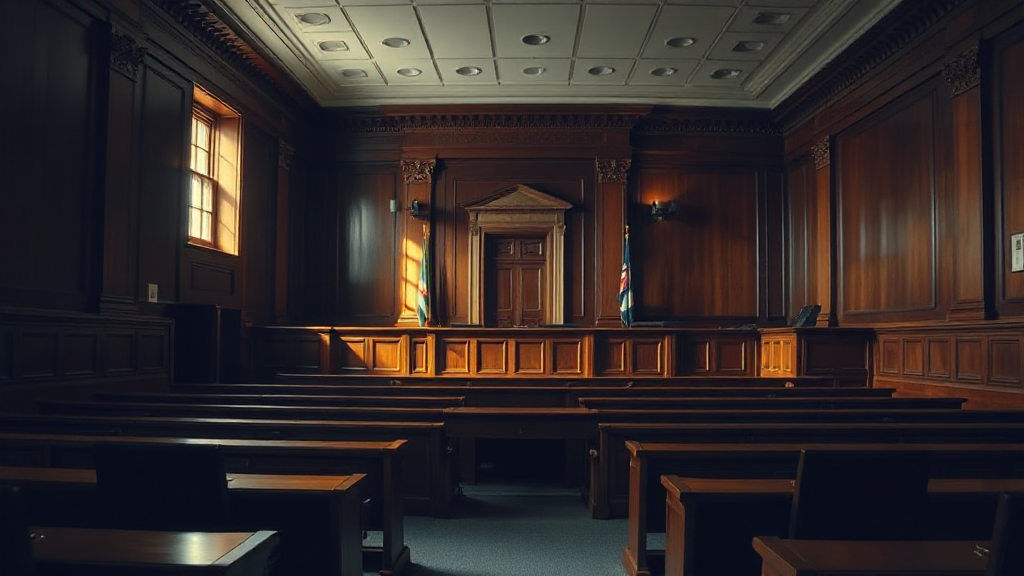
The arson trial of Jonathan Rinderknecht, accused of igniting the New Year's Day 2025 Palisades wildfire, ended in a mistrial after prosecutors tried using his ChatGPT logs as proof of intent. The trial is one of the first major cases where a defendant's generative AI history was introduced as core evidence.

Rinderknecht faced charges for starting one of the deadliest wildfires in Los Angeles history. Prosecutors assembled physical evidence alongside digital forensics. However, their reliance on the defendant's private interactions with OpenAI's chatbot failed to convince the jury, raising questions about how personal AI interactions are interpreted in court.
According to reports on the trial, prosecutors presented months of Rinderknecht's ChatGPT history to establish his state of mind. The logs showed the defendant used the chatbot to generate images of fire and engaged in highly personal, emotionally charged conversations.
The prosecution highlighted queries where Rinderknecht asked the chatbot, "Why am I so angry all the time?" and ranted about wealthy individuals destroying the world. Prosecutors argued these interactions demonstrated a volatile mental state that culminated in the alleged arson.
Additionally, the state presented a screen recording where Rinderknecht asked ChatGPT whether a person could be blamed for a fire if it was lit by their cigarette. Prosecutors argued this showed he was actively researching liability before the fire occurred.
Despite the digital trail, the jury remained unconvinced. The trial ended in a deadlock, with the jury voting 10-2 in favor of the defense, forcing the judge to declare a mistrial.
Jurors pushed back against using casual AI conversations to prove intent. Speaking to CBS LA, one juror expressed frustration with the prosecution's strategy, noting she regularly uses the chatbot herself.
"I talk to ChatGPT all the time," the juror told CBS LA, adding that the prosecution's attempt to frame the logs as incriminating evidence actually made her "angry."
This reaction highlights a gap between how prosecutors view digital histories and how the public perceives everyday AI usage. For many, conversing with an AI is akin to thinking out loud.
The ChatGPT logs were introduced alongside traditional evidence. Prosecutors used location data from Rinderknecht's iPhone, security camera footage, and witness testimony to place him near the fire's origin.
However, the physical evidence was not enough to secure a conviction without proving intent. By introducing the courtroom evidence of the chatbot logs, the prosecution hoped to establish motive. Instead, the strategy backfired by alienating jurors.
The defense argued the queries were harmless expressions of curiosity. They maintained that searching for fire safety or venting did not equate to arson. The majority of the deadlocked jury ultimately agreed.
The mistrial highlights the challenges legal systems face as generative AI becomes ubiquitous. While search engine histories are routinely admissible, conversational AI logs present a more complex challenge because chatbots encourage informal venting and hypothetical exploration.
If jurors continue to view AI interactions as private, non-incriminating thoughts, prosecutors may face a high bar when trying to introduce them. For now, Rinderknecht's case demonstrates that digital venting does not easily translate to proof of a physical crime.
Subscribe wiring is coming soon. For now, follow the daily news feed or connect on LinkedIn for updates.
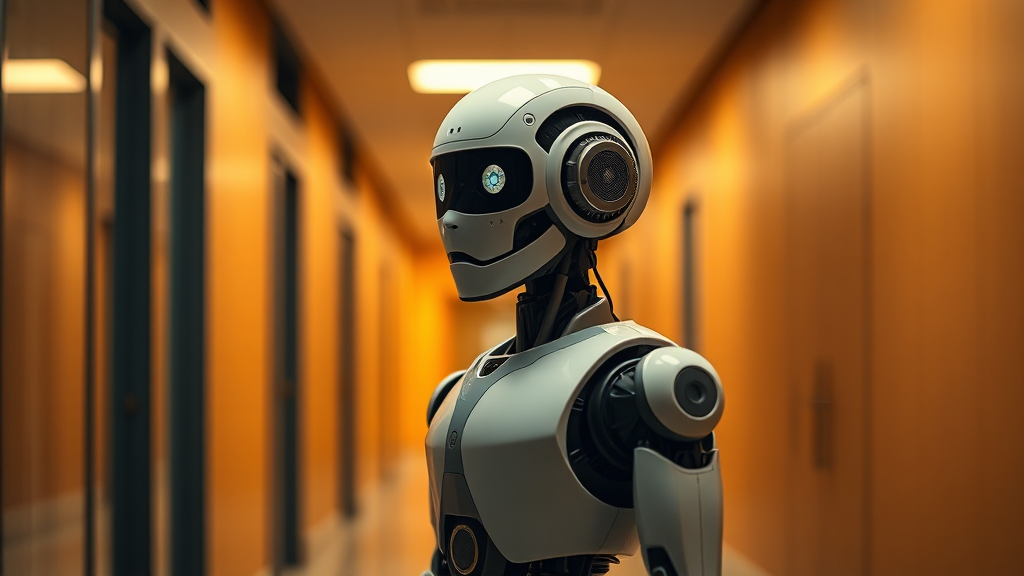
Swiss startup Flexion Robotics has developed a simulation-first training method that allows humanoid robots to autonomously perform complex office chores.

Apple's appeal against a London Court of Appeal ruling begins Monday at the UK Supreme Court, challenging a $502 million patent licensing requirement.
Apple hardware executive Paul Meade is reportedly leaving the company to join OpenAI's expanding hardware division amid a leadership reshuffle at Apple.