This Humanoid Robot Is a Terrifyingly Competent Office Intern
Swiss startup Flexion Robotics has developed a simulation-first training method that allows humanoid robots to autonomously perform complex office chores.
technologyreview.comwired.com
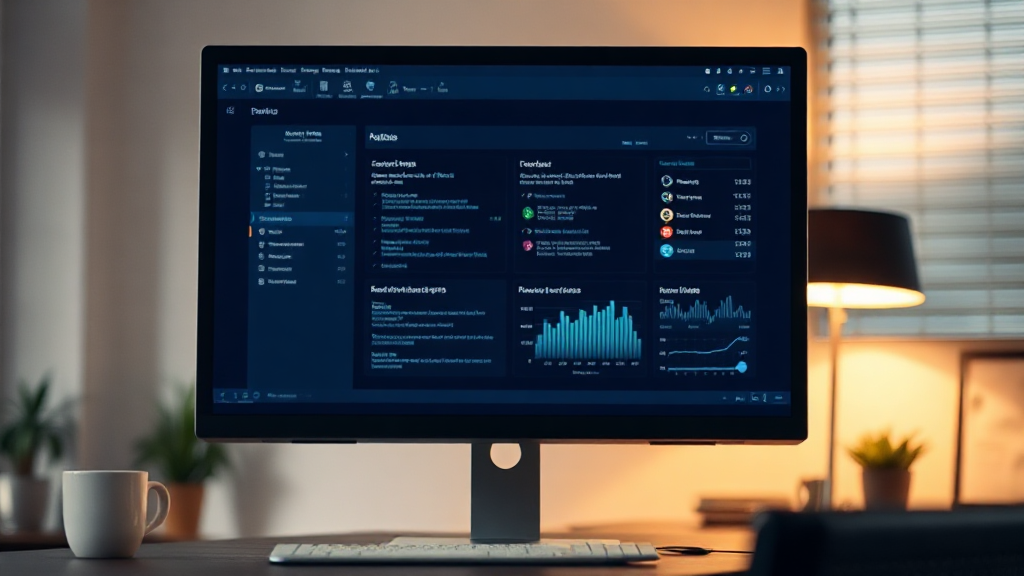
Microsoft announced two major AI initiatives on Tuesday, launching a new always-on personal assistant called Scout and introducing an open-source standard called Agent Control Specification (ACS) to govern autonomous workflows. The dual releases represent a significant push by the company to establish standardized guardrails and consumer-facing agent frameworks within its enterprise ecosystem.
The announcements address growing enterprise anxiety over AI agents executing unintended actions or misusing system tools. While Scout provides an active assistant that monitors background communications to help users manage daily tasks, ACS offers developers a structured policy framework to intercept and restrict agent behavior before cascading failures occur.
Microsoft Scout represents the company's first true personal assistant, built on the open-source OpenClaw framework. Unlike existing Copilot integrations that remain passive until prompted inside specific Microsoft 365 applications, Scout operates continuously in the background. It reads Teams threads, meeting transcripts, and emails to surface contextually relevant information and automate routine administrative tasks.
This assistant integrates directly with Outlook, OneDrive, and Microsoft Teams. It can draft emails, organize calendars, and manage expense reporting.
Omar Shahine, corporate vice president of Microsoft Scout, emphasized the shift in how users will interact with this technology.
"This is a personal assistant, it’s the first real personal assistant we’ve offered customers," Shahine said in an interview with The Verge. "I think it’s important for customers to understand that you’re going to get a phone call from this assistant, it’s a very different type of AI than chat."
The assistant can also monitor local road traffic and calendar events to recommend optimal departure times for appointments.
To address the security and operational risks of deploying such autonomous agents, Microsoft also introduced the Agent Control Specification (ACS). As enterprises deploy agents across diverse environments, developers face the challenge of ensuring these systems adhere to strict operational boundaries.
A closer look at the ACS release reveals that the open-source standard provides a consistent, granular mechanism for defining what agents are permitted to do. Currently, developers rely on fragile system prompts or ad-hoc code to restrict agent actions, which frequently fail when agents encounter unexpected inputs or tool configurations.
ACS allows development, compliance, and security teams to author explicit policy files. These files define the precise boundaries of an agent's authority, establishing clear rules for tool execution and data access.
The ACS framework operates by establishing "interception points" throughout the agent's execution cycle. When an agent attempts to perform an action, the system checks the active policy file to verify compliance.
The specification allows organizations to define what an agent may do, what it must not do, and when an action requires explicit human approval. Furthermore, ACS mandates the logging of evidence for every intercepted action, ensuring a verifiable audit trail for compliance teams.
By checking policies at multiple stages of a task, the framework prevents common failure modes, such as tool misuse or unauthorized data exfiltration, before they can cause cascading system failures.
Microsoft is rolling out both technologies under a phased deployment strategy. Scout is initially launching as a desktop preview available exclusively to Frontier customers in the United States.
In the coming months, Microsoft plans to expand access through a limited preview for a broader group of customers. The ultimate goal is to transition Scout to an always-on, cloud-based service integrated across the entire Microsoft 365 suite.
Meanwhile, the ACS specification is available as an open-source standard, allowing the developer community to contribute to and adopt the governance framework across different orchestration platforms.
Subscribe wiring is coming soon. For now, follow the daily news feed or connect on LinkedIn for updates.

Swiss startup Flexion Robotics has developed a simulation-first training method that allows humanoid robots to autonomously perform complex office chores.

The arson trial of Jonathan Rinderknecht ended in a mistrial after prosecutors introduced his ChatGPT conversational history as evidence of intent, sparking pushback from jurors.

Apple's appeal against a London Court of Appeal ruling begins Monday at the UK Supreme Court, challenging a $502 million patent licensing requirement.