This Humanoid Robot Is a Terrifyingly Competent Office Intern
Swiss startup Flexion Robotics has developed a simulation-first training method that allows humanoid robots to autonomously perform complex office chores.
technologyreview.comwired.com
%22%3E%0A%20%20%20%20%20%20%3Cstop%20offset%3D%220%25%22%20stop-color%3D%22%238b5cf6%22%2F%3E%0A%20%20%20%20%20%20%3Cstop%20offset%3D%22100%25%22%20stop-color%3D%22%233b0764%22%2F%3E%0A%20%20%20%20%3C%2FlinearGradient%3E%0A%20%20%20%20%3CradialGradient%20id%3D%22halo%22%20cx%3D%220.184%22%20cy%3D%220.218%22%20r%3D%220.55%22%3E%0A%20%20%20%20%20%20%3Cstop%20offset%3D%220%25%22%20stop-color%3D%22rgba(255%2C255%2C255%2C0.32)%22%2F%3E%0A%20%20%20%20%20%20%3Cstop%20offset%3D%2260%25%22%20stop-color%3D%22rgba(255%2C255%2C255%2C0)%22%2F%3E%0A%20%20%20%20%3C%2FradialGradient%3E%0A%20%20%3C%2Fdefs%3E%0A%20%20%3Crect%20width%3D%22800%22%20height%3D%22500%22%20fill%3D%22url(%23g)%22%2F%3E%0A%20%20%3Crect%20width%3D%22800%22%20height%3D%22500%22%20fill%3D%22url(%23halo)%22%2F%3E%0A%20%20%3Cg%20fill%3D%22rgba(255%2C255%2C255%2C0.12)%22%20stroke%3D%22rgba(255%2C255%2C255%2C0.18)%22%20stroke-width%3D%221%22%3E%0A%20%20%20%20%3Ccircle%20cx%3D%22147%22%20cy%3D%22109%22%20r%3D%2267%22%2F%3E%0A%20%20%20%20%3Ccircle%20cx%3D%22653%22%20cy%3D%22391%22%20r%3D%2237%22%2F%3E%0A%20%20%3C%2Fg%3E%0A%20%20%3Ctext%20x%3D%2250%25%22%20y%3D%2252%25%22%20text-anchor%3D%22middle%22%20dominant-baseline%3D%22middle%22%0A%20%20%20%20%20%20%20%20font-family%3D%22Inter%2C%20system-ui%2C%20sans-serif%22%20font-weight%3D%22800%22%0A%20%20%20%20%20%20%20%20font-size%3D%22170%22%20fill%3D%22rgba(255%2C255%2C255%2C0.92)%22%20letter-spacing%3D%22-6%22%3ETC%3C%2Ftext%3E%0A%20%20%3Ctext%20x%3D%2250%25%22%20y%3D%2278%25%22%20text-anchor%3D%22middle%22%0A%20%20%20%20%20%20%20%20font-family%3D%22Inter%2C%20system-ui%2C%20sans-serif%22%20font-weight%3D%22700%22%0A%20%20%20%20%20%20%20%20font-size%3D%2222%22%20letter-spacing%3D%226%22%0A%20%20%20%20%20%20%20%20fill%3D%22rgba(255%2C255%2C255%2C0.78)%22%3ETECHNOLOGY%3C%2Ftext%3E%0A%3C%2Fsvg%3E)
Apple CEO Tim Cook warned that upcoming price hikes on the company's hardware lineup are "unavoidable" due to the soaring costs of memory and storage chips. Speaking in an exclusive interview with the Wall Street Journal on Wednesday, Cook stated that the current pricing structure has become unsustainable as component suppliers demand steep premiums.
The announcement marks a rare public acknowledgment of supply chain strain from Apple's top executive. For years, the company maintained stable entry-level pricing for its flagship iPhones by absorbing minor component fluctuations. However, the rapid rise of AI-capable hardware has triggered global shortages in high-bandwidth memory and high-capacity flash storage, forcing Apple to pass those expenses to consumers.
According to Cook, the primary drivers of the price increases are DRAM and NAND flash memory chips. The global surge in artificial intelligence infrastructure has monopolized semiconductor manufacturing capacity, leaving consumer electronics brands competing for limited silicon. Cook noted that the premium for high-density storage configurations has scaled to a level that Apple can no longer offset through operational efficiencies.
The semiconductor market has faced severe imbalances as fabrication plants prioritize high-margin enterprise chips over consumer-grade storage. This shift has left consumer electronics companies facing longer lead times and higher spot prices for standard memory components.
While Cook declined to specify which product lines would see immediate price increases, analysts expect the upcoming iPhone, iPad, and Mac refreshes to bear the brunt of the adjustments. Apple has historically used storage tiers as a primary upsell mechanism. The rising baseline cost of NAND flash means entry-level models may either see price bumps or reduced storage capacities to maintain existing price points.
Historically, Apple managed to keep the starting price of its base iPhone models at $799 in the United States, adjusting international pricing to account for currency fluctuations. If component costs remain high, the company may have to raise the base price of its standard models, a move that could test consumer demand in a tightening economy.
The pricing pressures arrive as Apple actively develops its next generation of slimmed-down devices. A Bloomberg report details that Apple is currently testing a second-generation "iPhone Air" for release in spring 2027. Code-named V62, the prototype features a second rear camera for ultrawide-angle photography and an upgraded battery, additions that will likely compound the bill-of-materials challenges Cook highlighted.
The second-generation iPhone Air prototypes represent Apple's attempt to capture the premium mid-tier market with a thinner aesthetic. However, integrating advanced camera modules and larger batteries into a slim chassis requires custom internal components. These specialized parts carry higher manufacturing costs, further complicating Apple's efforts to manage its hardware margins amid rising chip prices.
Apple has long enjoyed some of the highest hardware margins in the consumer technology sector, often exceeding 35 percent. By utilizing its massive purchasing power, the company historically locked in long-term component pricing to shield itself from market volatility. Cook's admission that the current situation is unsustainable suggests that even Apple's formidable supply chain leverage is no longer enough to counter macroeconomic pressures.
Investors will closely watch Apple's upcoming quarterly earnings reports for signs of margin compression. If the company delays price increases, gross margins could dip below historical averages. Conversely, immediate price hikes risk slowing unit sales, forcing Apple to balance its profitability targets against the scale of its active device ecosystem.
Subscribe wiring is coming soon. For now, follow the daily news feed or connect on LinkedIn for updates.
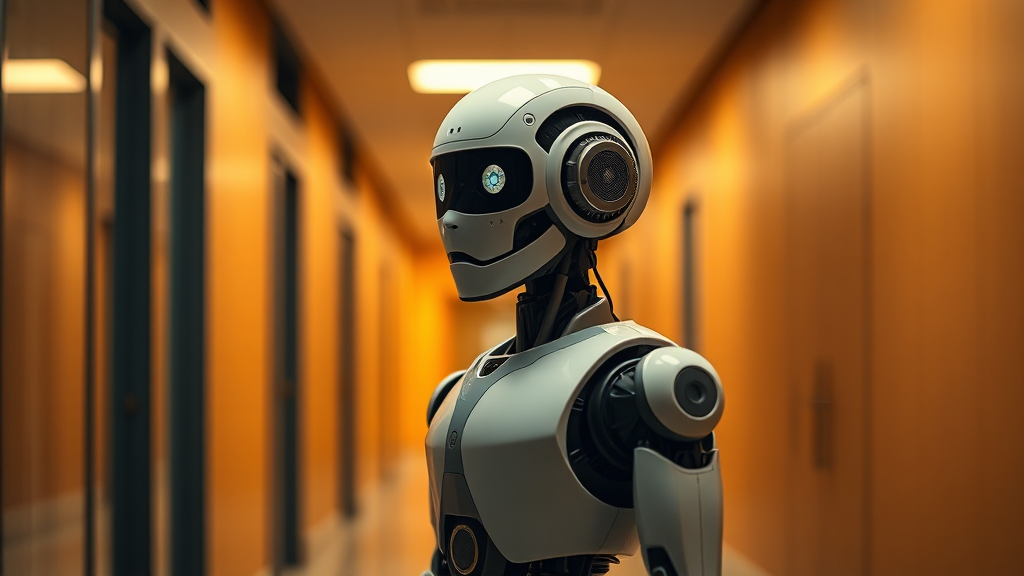
Swiss startup Flexion Robotics has developed a simulation-first training method that allows humanoid robots to autonomously perform complex office chores.

The arson trial of Jonathan Rinderknecht ended in a mistrial after prosecutors introduced his ChatGPT conversational history as evidence of intent, sparking pushback from jurors.

Apple's appeal against a London Court of Appeal ruling begins Monday at the UK Supreme Court, challenging a $502 million patent licensing requirement.