This Humanoid Robot Is a Terrifyingly Competent Office Intern
Swiss startup Flexion Robotics has developed a simulation-first training method that allows humanoid robots to autonomously perform complex office chores.
technologyreview.comwired.com
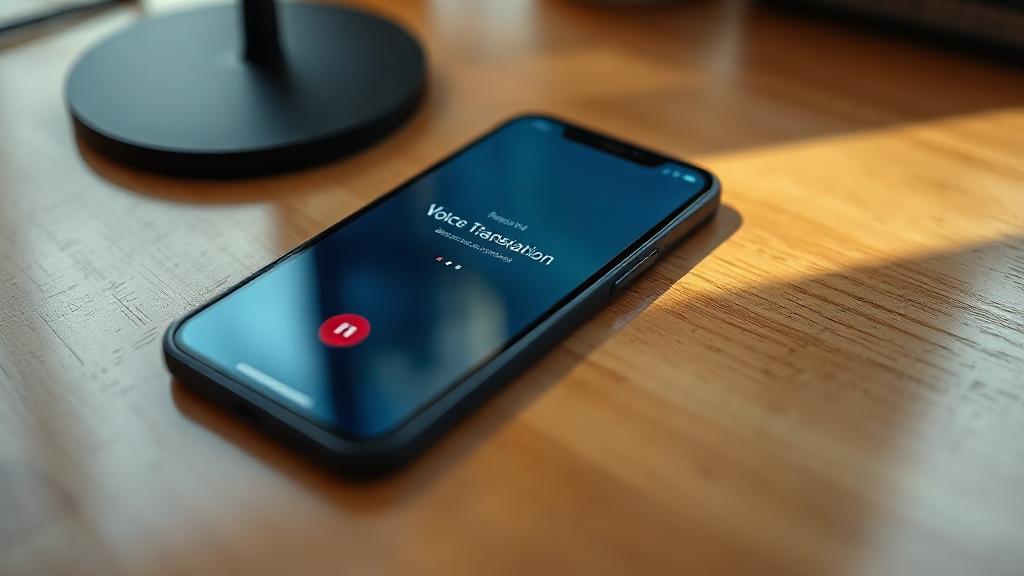
Google announced the release of Gemini 3.5 Live Translate on Monday, introducing an instant voice-to-voice translation model capable of automatically detecting and translating speech across more than 70 languages with lower latency.

The new model, which is part of the Gemini 3.5 family launched at Google I/O, is designed to match the speaker's original intonation, pacing, and pitch. The launch coincides with a significant price reduction for Google's entry-level AI subscription plan, signaling an aggressive push to capture consumer market share.
A report on the launch notes that the system is fast enough to keep up with normal conversations, trailing only a few seconds behind the speaker. Unlike older translation tools that relied on cascading text-to-speech pipelines, Gemini 3.5 Live Translate operates as a native speech-to-speech model.
This architecture allows the system to preserve vocal characteristics, making the translated output sound more like the original speaker rather than a synthetic robot. Google has spent years pursuing real-time translation, which previously required specific hardware configurations like Pixel phones or proprietary earbuds.
Alongside the translation update, Google slashed the price of its budget AI subscription tier to lower the barrier to entry. Based on the analysis on coverage of the pricing shift, the company cut the monthly cost of Google AI Plus from $7.99 to $4.99.
The updated plan also doubles the included cloud storage from 200 gigabytes to 400 gigabytes. Vikas Kansal, product lead for Gemini AI subscriptions, confirmed that the storage updates would roll out to users over several days. The tier includes access to video generation via Omni Flash and NotebookLM.
As tech giants lower the cost of entry for advanced AI tools, the rapid deployment of these systems has renewed debates over their real-world utility and economic impact. An analysis by developer Henry Bley-Vroman on the efficacy of LLMs argues that the widespread adoption of automated systems should be viewed primarily as a challenge to the labor force.
Bley-Vroman writes that corporations face strong economic incentives to replace human workers with digital equivalents to avoid discussions around benefits, protections, and accountability. The rapid integration of real-time translation tools directly threatens professional translation and interpretation industries, where human workers have traditionally managed complex cultural nuances.
The Live Translate model is currently based on the Gemini 3.5 Flash architecture. Ars Technica reports that Google is expected to release a more powerful Gemini 3.5 Pro model in the coming weeks, which may expand these real-time capabilities to more complex enterprise workflows.
For now, the Live Translate feature is being deployed across the standard Google Translate application, making real-time speech-to-speech translation accessible to a broader user base without specialized hardware requirements.
Subscribe wiring is coming soon. For now, follow the daily news feed or connect on LinkedIn for updates.

Swiss startup Flexion Robotics has developed a simulation-first training method that allows humanoid robots to autonomously perform complex office chores.

The arson trial of Jonathan Rinderknecht ended in a mistrial after prosecutors introduced his ChatGPT conversational history as evidence of intent, sparking pushback from jurors.

Apple's appeal against a London Court of Appeal ruling begins Monday at the UK Supreme Court, challenging a $502 million patent licensing requirement.