Improving Your AI Coding Agent Without switching the Model or touching the harness
Microsoft’s SkillOpt shows how AI coding agents can improve through self-evolving skills without retraining the model or rebuilding the agent harness.

YouTube announced on Wednesday that its internal systems will begin automatically labeling videos that contain realistic AI-generated content, deploying new detection mechanisms to identify synthetic media across both long-form uploads and YouTube Shorts. The video platform is moving away from its previous policy of relying solely on creators to self-disclose when they use generative tools to produce photorealistic footage.

The update represents a major shift in how the Google-owned platform polices synthetic media. Since introducing basic disclosure tools in 2024, YouTube has struggled with inconsistent compliance. Under the new system, YouTube will actively flag videos that depict realistic people, places, or events, while exempting clearly fantastical or animated content from the labeling requirement.
YouTube's internal systems will automatically apply labels when they detect "significant photorealistic AI" has been used. The platform is also making these labels more prominent across its interface, ensuring they are easily visible to viewers watching both standard long-form videos and YouTube Shorts.
The platform says its policy around AI labeling hasn't changed, but it will take a more active role in policing the content on its platform. The new labels are designed to be much more prominent than the previous, easily ignored disclosures.
The automated labels will target content that could easily be mistaken for real-world footage. However, YouTube clarified that obviously stylized or animated content will not require a label. Examples of exempt content include:
Previously, YouTube relied entirely on uploaders to self-disclose synthetic content through a tool in Creator Studio. Creators previously had little incentive to be honest about using AI tools. The new automated system uses internal signals to detect and flag AI-generated videos regardless of creator input.
Under the previous 2024 policy, creators had to manually check a box in Creator Studio if their content could be mistaken for a real person, place, or event. YouTube's shift to automated detection acknowledges that voluntary compliance was insufficient to handle the volume of synthetic uploads.
While creators are still required to disclose AI use during the upload process, the automated detection system acts as a backstop. This change addresses the growing difficulty of distinguishing real footage from synthetic media as consumer-facing video generation tools become more sophisticated and widely accessible.
The push for automated labeling follows the rapid advancement of video generation models. Tools like Runway, Seedance, and Google's own Veo have significantly raised the bar for realism and consistency. These models make it increasingly difficult for viewers to spot synthetic alterations without platform-level verification.
The rollout also follows Google's recent showcase of its Gemini Omni multimodal models. Powerful generation tools make an automated verification pipeline essential for managing digital video origins.
Subscribe wiring is coming soon. For now, follow the daily news feed or connect on LinkedIn for updates.
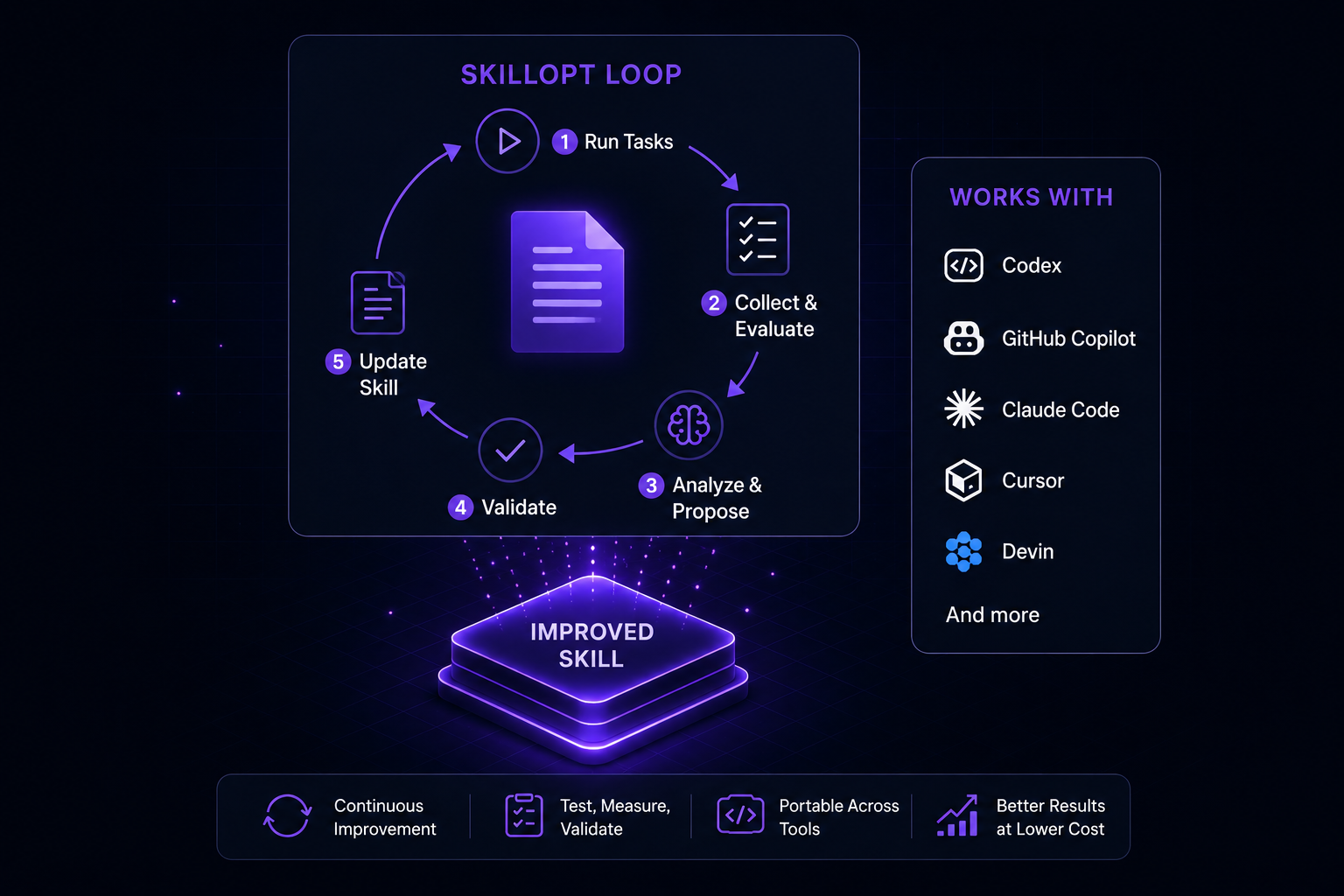
Microsoft’s SkillOpt shows how AI coding agents can improve through self-evolving skills without retraining the model or rebuilding the agent harness.

Ashton Kutcher is departing Sound Ventures, the firm he co-founded 11 years ago, to launch a new early-stage venture capital fund with former NFX partner Morgan Beller.

Anthropic has released Claude Sonnet 5 with a 1 million token context window while securing US Department of Commerce clearance to bring back its sidelined Fable 5 and Mythos 5 models.