Improving Your AI Coding Agent Without switching the Model or touching the harness
Microsoft’s SkillOpt shows how AI coding agents can improve through self-evolving skills without retraining the model or rebuilding the agent harness.
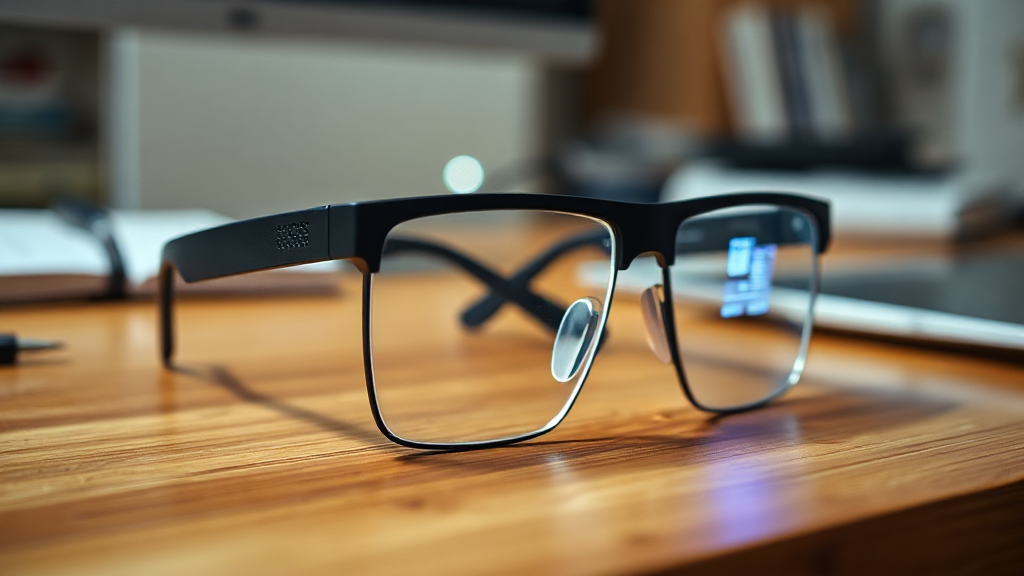
Google demonstrated a prototype of its upcoming Android XR glasses at its annual I/O developer conference this week, showcasing an active in-lens display that overlays Gemini-powered translation, navigation, and customizable widgets directly onto the wearer's physical field of view. The hands-on demonstration marks the first public test of the hardware since its initial teaser last year.

The prototype represents Google's bid to establish a presence in the augmented reality eyewear space, partnering with established design brands to blend consumer aesthetics with real-time AI capabilities. While the company plans to ship audio-only glasses first, the display-enabled version points to a future where contextual software widgets are projected onto the physical world.
To avoid the bulky, industrial look of previous head-mounted displays, Google is collaborating with traditional eyewear and electronics manufacturers. The glasses were developed in partnership with Warby Parker, Gentle Monster, and Samsung.
This collaborative approach aims to blend Google's software ecosystem with established fashion design aesthetics. By working with consumer-facing eyewear brands, the company hopes to create a device that users are comfortable wearing in public spaces, addressing a major hurdle that sank earlier iterations of smart eyewear.
The core feature of the prototype is its active in-lens display, which projects digital information directly over the user's physical surroundings. A hands-on demonstration showed how the glasses render real-time widgets within the wearer's line of sight.
These widgets can display dynamic information such as walking directions, local weather updates, and live translation of spoken conversations. Additionally, the system supports integration with third-party services, allowing users to view real-time Uber pickup details or custom widgets designed on the fly using generative AI tools.
The display-enabled glasses represent the second phase of Google's wearable roadmap. The company confirmed that a first generation of audio-only smart glasses will begin shipping to consumers this fall, serving as a baseline product before the visual display model is finalized.
Both the upcoming audio-only glasses and the future display-enabled version are designed to pair seamlessly with both iOS and Android smartphones. This cross-platform compatibility ensures that users do not need to be locked into a specific mobile operating system to utilize the glasses' AI features.
While the demonstration showed a polished interface, the hardware remains a prototype. Google has not yet announced a commercial release date, pricing, or battery life specifications for the display-equipped model, indicating that significant engineering work remains before a retail launch.
The physical units tested at the conference were described as highly polished prototypes that are now ready for external testing. However, managing the thermal output and power consumption of an active in-lens display in a standard glasses frame remains a key challenge for the development team.
Subscribe wiring is coming soon. For now, follow the daily news feed or connect on LinkedIn for updates.
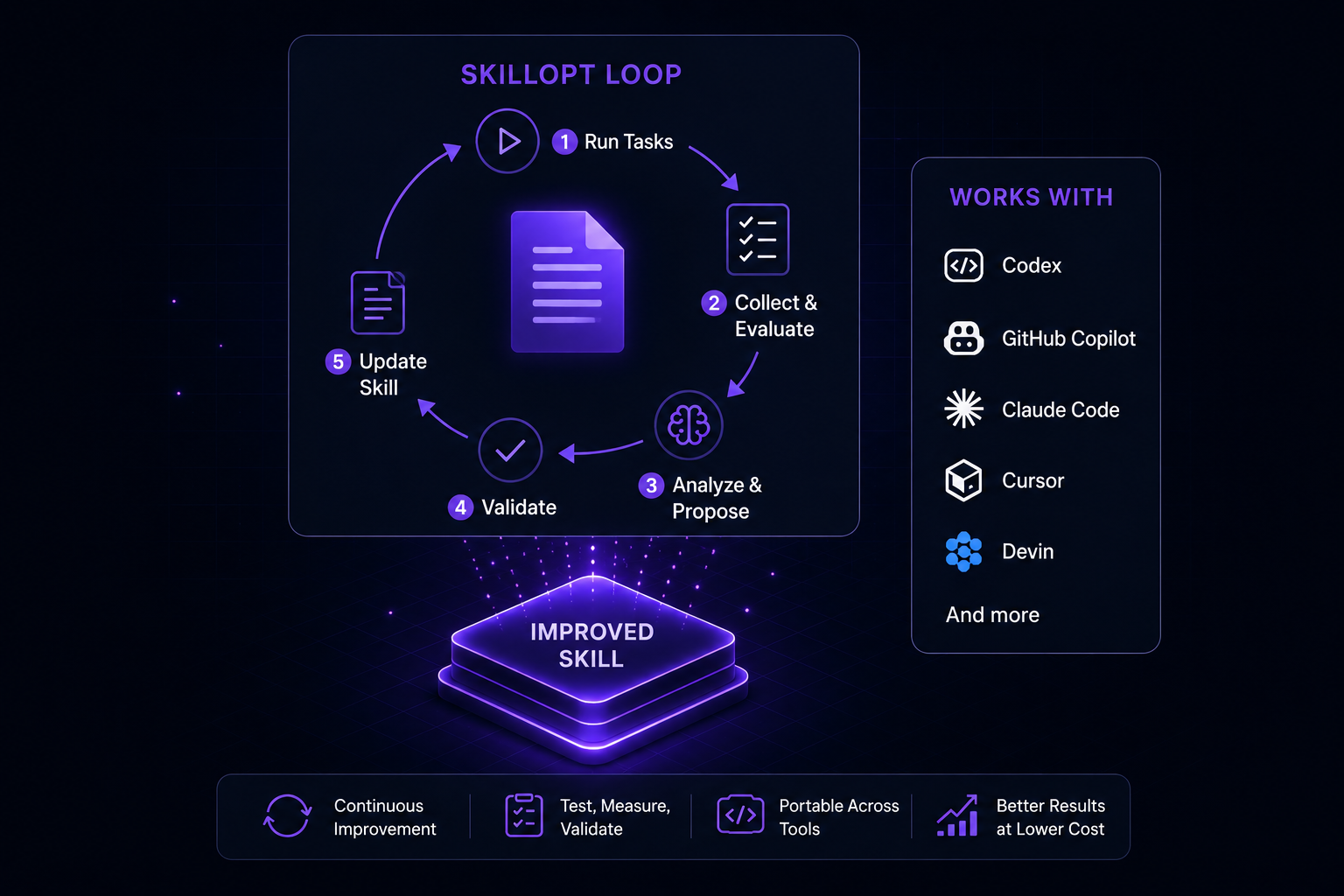
Microsoft’s SkillOpt shows how AI coding agents can improve through self-evolving skills without retraining the model or rebuilding the agent harness.

Ashton Kutcher is departing Sound Ventures, the firm he co-founded 11 years ago, to launch a new early-stage venture capital fund with former NFX partner Morgan Beller.

Anthropic has released Claude Sonnet 5 with a 1 million token context window while securing US Department of Commerce clearance to bring back its sidelined Fable 5 and Mythos 5 models.