Improving Your AI Coding Agent Without switching the Model or touching the harness
Microsoft’s SkillOpt shows how AI coding agents can improve through self-evolving skills without retraining the model or rebuilding the agent harness.
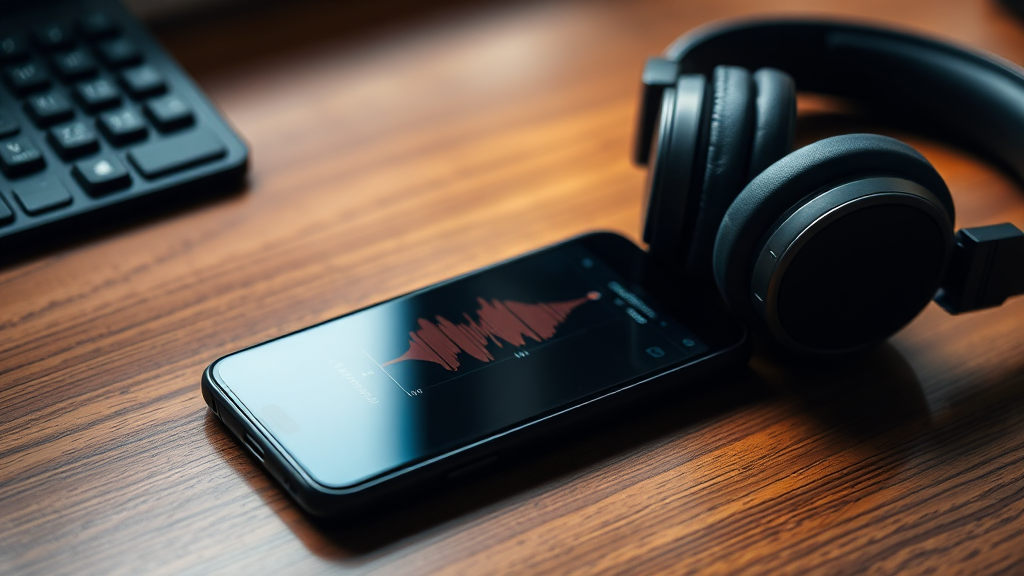
Universal Music Group and TikTok signed a multi-year licensing agreement on Tuesday, establishing new joint measures to detect and remove unauthorized generative AI music from the social media platform. The deal restores a long-term partnership between the music industry giant and the short-form video app after a highly publicized dispute over royalties and copyright protections.
The renewed partnership aims to protect human artistry and ensure that platform economics flow directly to artists and songwriters. Under the terms, both companies will collaborate on tools to improve artist attribution and address the proliferation of AI-generated tracks that mimic popular musicians without consent.
The agreement represents a significant shift in how the two companies handle synthetic media. The deal guarantees that UMG's vast catalog of artists and songwriters will remain accessible to TikTok's global user base.
The joint announcement emphasizes a shared commitment to safeguarding the financial interests of human creators. UMG stated that the agreement:
"extends TikTok and UMG’s groundbreaking commitment to AI protections that promote human artistry and ensure platform economics effectively flow through to artists and songwriters."
The agreement marks a formal end to the bitter public feud that escalated in early 2024. During that dispute, UMG accused TikTok of failing to address copyright infringement and the rapid spread of unauthorized AI music.
As tensions peaked, UMG took the drastic step of pulling its entire music catalog from TikTok. Popular tracks from artists like Taylor Swift, Drake, and Olivia Rodrigo vanished from millions of user videos overnight.
The catalog removal underscored TikTok's heavy reliance on major label licenses to drive user engagement. It also highlighted UMG's willingness to sacrifice short-term promotional reach to secure stronger platform concessions.
A central pillar of the renewed deal is the development of technical solutions to combat unauthorized AI-generated music. TikTok and UMG plan to work together to actively purge deepfakes and unlicensed synthetic tracks from the platform.
The companies also pledged to improve artist and songwriter attribution across the app. This system aims to ensure that when a user posts a video, the correct creators receive credit and royalties.
By implementing stricter content moderation, TikTok hopes to rebuild trust with the wider music industry. The platform has faced continuous criticism from labels for allowing AI clones of famous vocalists to go viral, according to details in the licensing announcement.
For years, UMG has led the charge against platforms, streaming services, and AI companies over copyright issues. The label has consistently pushed for stricter moderation policies to prevent generative models from training on proprietary music.
The agreement sets a potential precedent for how other major labels negotiate with social media platforms. As generative AI tools become more accessible, the industry is increasingly focused on establishing legal and technical guardrails.
By securing these protections, UMG aims to protect its market share and establish clear boundaries for AI development. The outcome of this partnership will likely influence future licensing negotiations across the digital music ecosystem.
Subscribe wiring is coming soon. For now, follow the daily news feed or connect on LinkedIn for updates.
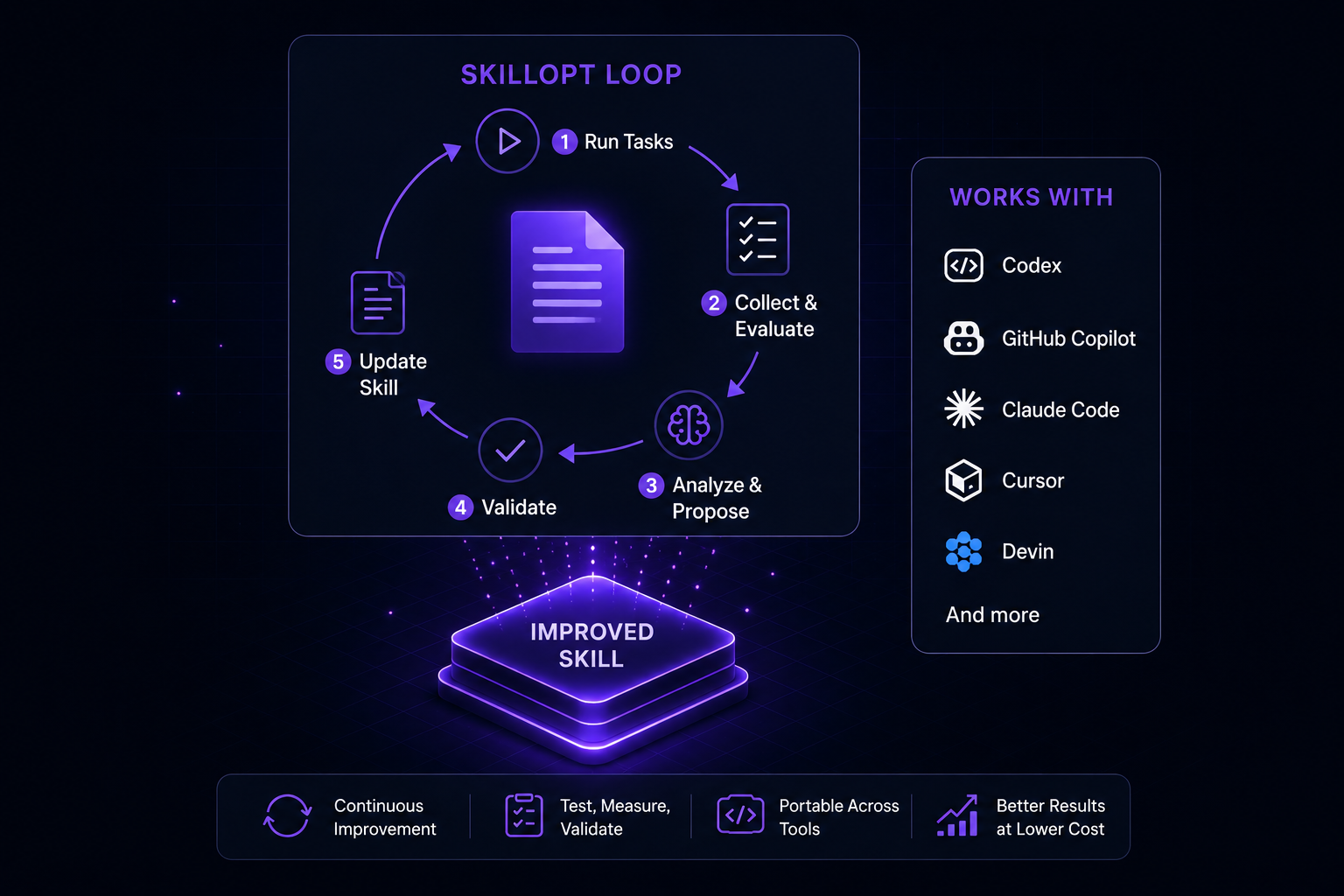
Microsoft’s SkillOpt shows how AI coding agents can improve through self-evolving skills without retraining the model or rebuilding the agent harness.

Ashton Kutcher is departing Sound Ventures, the firm he co-founded 11 years ago, to launch a new early-stage venture capital fund with former NFX partner Morgan Beller.

Anthropic has released Claude Sonnet 5 with a 1 million token context window while securing US Department of Commerce clearance to bring back its sidelined Fable 5 and Mythos 5 models.