This Humanoid Robot Is a Terrifyingly Competent Office Intern
Swiss startup Flexion Robotics has developed a simulation-first training method that allows humanoid robots to autonomously perform complex office chores.
technologyreview.comwired.com
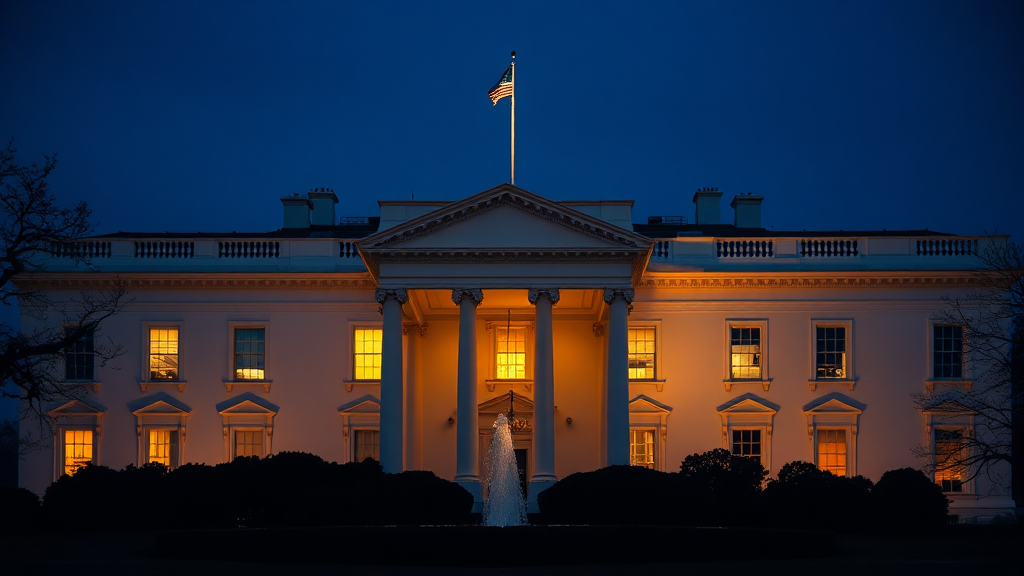
President Donald Trump delayed signing a highly anticipated executive order on Thursday that would establish a federal security review process for advanced artificial intelligence models before their public release. Speaking to the White House press pool, Trump expressed dissatisfaction with the draft's current language, stating he did not want regulatory hurdles to impede American competitiveness against international rivals like China.
The proposed directive would task the Office of the National Cyber Director and other federal agencies with evaluating frontier AI models for cybersecurity vulnerabilities prior to deployment. The delay comes amid mounting pressure from national security officials and Trump's own supporters, who have raised alarms over the rapid proliferation of highly capable offensive cyber tools.
The draft order aimed to formalize government oversight of the most powerful AI systems. A key provision in the draft requires AI developers to share their advanced models with federal agencies between 14 and 90 days before launch. This window would allow government researchers to test the models for potential national security risks.
This pre-release sharing requirement became a major sticking point. Trump voiced concern that such mandatory review periods could slow down domestic innovation.
"We’re leading China, we’re leading everybody, and I don’t want to do anything that’s going to get in the way of that leading," Trump told the White House press pool.
The push for tighter oversight follows the recent release of highly capable models, specifically Anthropic's Mythos and OpenAI's GPT-5.5 Cyber. Security analysts have warned that these models possess advanced capabilities to rapidly identify and exploit software vulnerabilities. These developments have accelerated discussions within the administration regarding the immediate need for defensive guardrails.
Security fears have been mounting even among Trump's core supporters. Conservative policy groups and national security advisers have lobbied the administration to act before offensive AI capabilities outpace federal defensive measures. The draft order represents an attempt to balance these urgent security warnings with the administration's pro-growth stance.
While policy disagreements stalled the signing, logistical issues also played a role in the sudden postponement. Several reports noted that the White House struggled to assemble top technology executives in Washington, D.C., on short notice. Administration officials reportedly preferred to hold the signing ceremony alongside prominent industry leaders to maximize the public impact of the announcement.
The White House has not yet announced a rescheduled date for the signing. Officials are expected to spend the coming days renegotiating the specific timelines for the pre-release review process. Tech companies continue to lobby against strict mandatory disclosure windows, advocating instead for voluntary safety frameworks that do not require government pre-clearance.
To offset potential domestic regulatory friction, the administration is simultaneously pursuing aggressive international expansion strategies. According to a draft policy document, the administration seeks to supercharge US AI exports with billions of dollars in federal financing.
The proposed export strategy outlines several key initiatives to maintain global dominance:
The administration wants to ensure domestic safety protocols do not inadvertently hand a market advantage to foreign competitors.
Subscribe wiring is coming soon. For now, follow the daily news feed or connect on LinkedIn for updates.

Swiss startup Flexion Robotics has developed a simulation-first training method that allows humanoid robots to autonomously perform complex office chores.
The arson trial of Jonathan Rinderknecht ended in a mistrial after prosecutors introduced his ChatGPT conversational history as evidence of intent, sparking pushback from jurors.
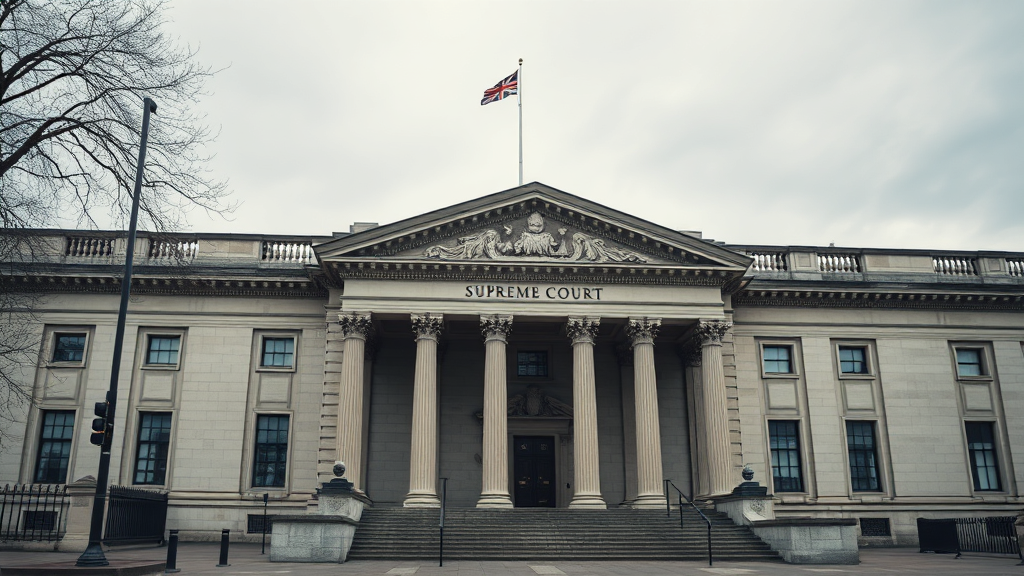
Apple's appeal against a London Court of Appeal ruling begins Monday at the UK Supreme Court, challenging a $502 million patent licensing requirement.