Improving Your AI Coding Agent Without switching the Model or touching the harness
Microsoft’s SkillOpt shows how AI coding agents can improve through self-evolving skills without retraining the model or rebuilding the agent harness.

Pope Leo XIV published his first encyclical, Magnifica Humanitas, on Monday, utilizing artificial intelligence as a critical lens to diagnose long-standing global issues like wealth concentration, eroding democratic institutions, and the rise of an unaccountable tech elite. The 200-page papal document argues that technology governed by a small group of developers cannot serve the common good.
Presented alongside Anthropic co-founder Chris Olah, the encyclical marks a significant intervention by the Vatican into modern technology policy. The Pope's warnings arrive amid growing consolidation in the AI sector, where massive capital requirements for compute and data have restricted top-tier model development to a handful of well-funded corporations and venture-backed startups.
In the text, Pope Leo XIV warns that the current trajectory of AI development threatens to centralize influence far beyond historical precedents. He writes that when critical technological power is concentrated, it evades public oversight and creates new forms of exclusion.
"When such power is concentrated in the hands of a few, it tends to become opaque and evade public oversight, increasing the risk of distorted forms of development that give rise to new dependencies, exclusions, manipulations and inequalities," the Pope writes.
The document emphasizes that AI naturally amplifies the power of those who already possess data, expertise, and economic resources. This dynamic allows a small group of actors to shape global information and consumption patterns.
The Vatican's critique draws direct lines to historical economic shifts, drawing comparisons to Pope Leo XIII’s 1891 encyclical Rerum Novarum, which addressed labor exploitation during the Industrial Revolution. However, the current document addresses immediate, modern political realities.
The report highlights recent events such as Elon Musk’s acquisition of Twitter and the subsequent deployment of the platform to influence political campaigns. Additionally, the report highlights how tech elites have directed hundreds of millions of dollars into super PACs designed to stall or block AI safety regulations.
This concentration of power is mirrored in the technical architecture of modern machine learning. In an analysis of the MLSys conference in Seattle, developer blog Mempko outlines the open/closed problem in AI, noting that the vast majority of current research focuses on optimizing large language models controlled by major infrastructure providers.
Just as early 3D graphics hardware eventually consolidated around proprietary pipelines, AI development faces a tension between open, customizable systems and highly centralized, closed platforms. The high cost of training these models means that independent developers are increasingly reliant on APIs provided by a few dominant firms, reinforcing the exact centralization the Vatican warns against.
To counter this consolidation, Pope Leo XIV calls for the establishment of clear criteria and effective oversight for AI development. The encyclical argues that governance must involve active participation from the communities most likely to be affected by these technologies, rather than leaving regulatory decisions to the companies themselves.
The joint presentation with Anthropic's Chris Olah suggests an effort to engage directly with industry figures who advocate for safety controls. However, the document remains highly skeptical of self-regulation, asserting that true public oversight requires binding international frameworks that prioritize human dignity over market dominance.
Subscribe wiring is coming soon. For now, follow the daily news feed or connect on LinkedIn for updates.
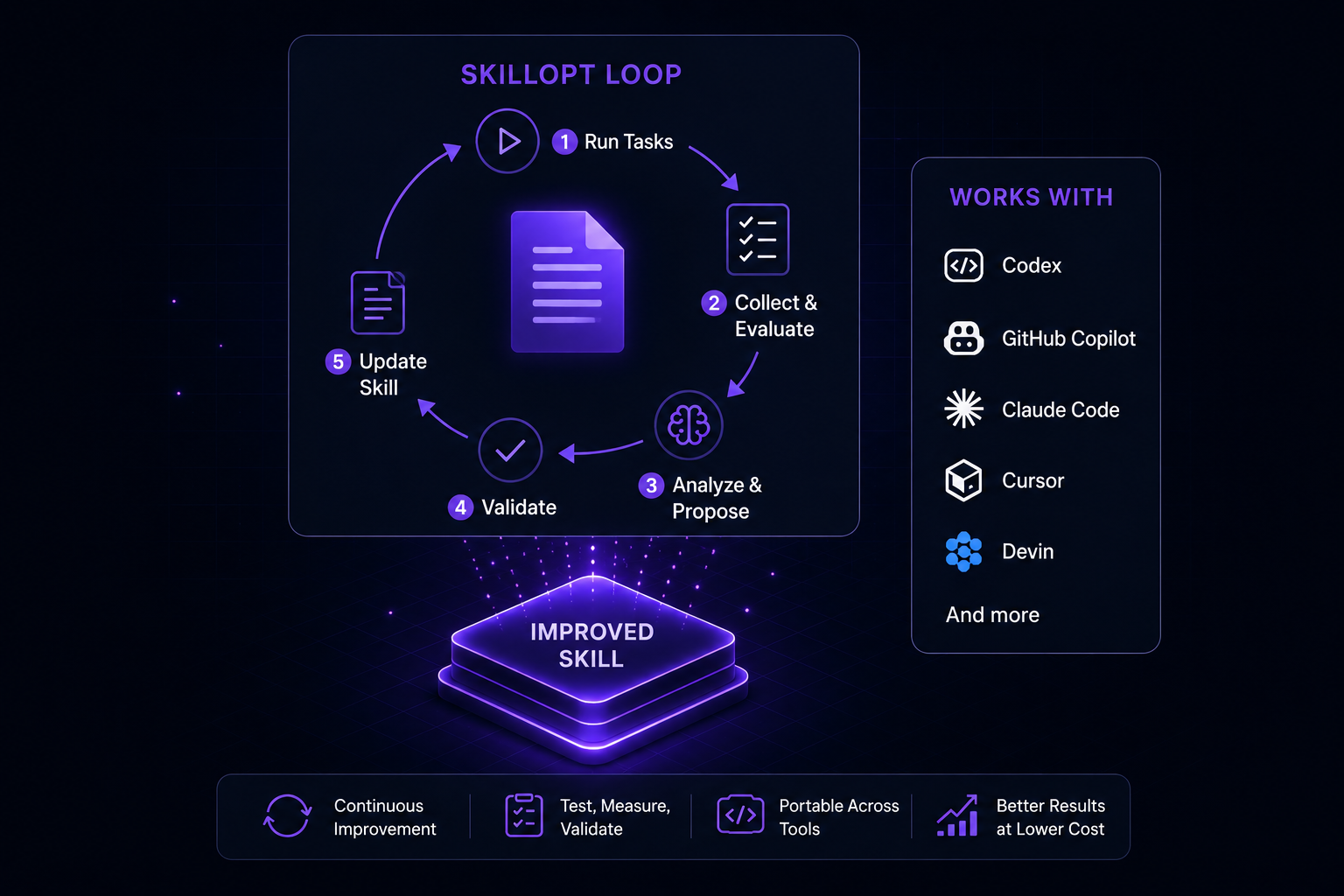
Microsoft’s SkillOpt shows how AI coding agents can improve through self-evolving skills without retraining the model or rebuilding the agent harness.

Ashton Kutcher is departing Sound Ventures, the firm he co-founded 11 years ago, to launch a new early-stage venture capital fund with former NFX partner Morgan Beller.

Anthropic has released Claude Sonnet 5 with a 1 million token context window while securing US Department of Commerce clearance to bring back its sidelined Fable 5 and Mythos 5 models.