This Humanoid Robot Is a Terrifyingly Competent Office Intern
Swiss startup Flexion Robotics has developed a simulation-first training method that allows humanoid robots to autonomously perform complex office chores.
technologyreview.comwired.com
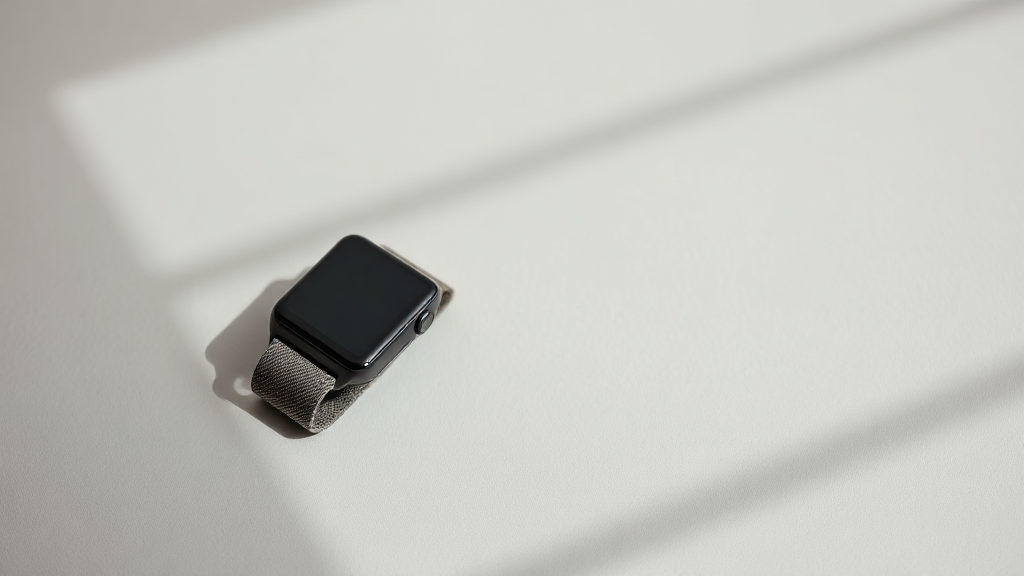
Google released the Fitbit Air on Thursday, introducing a screenless $100 fitness tracker that strips away the display in favor of a minimalist sensor puck. The lightweight wearable relies entirely on a connected smartphone app, where Google's new generative AI health coaching platform provides highly conversational, personalized feedback on activity and sleep metrics.
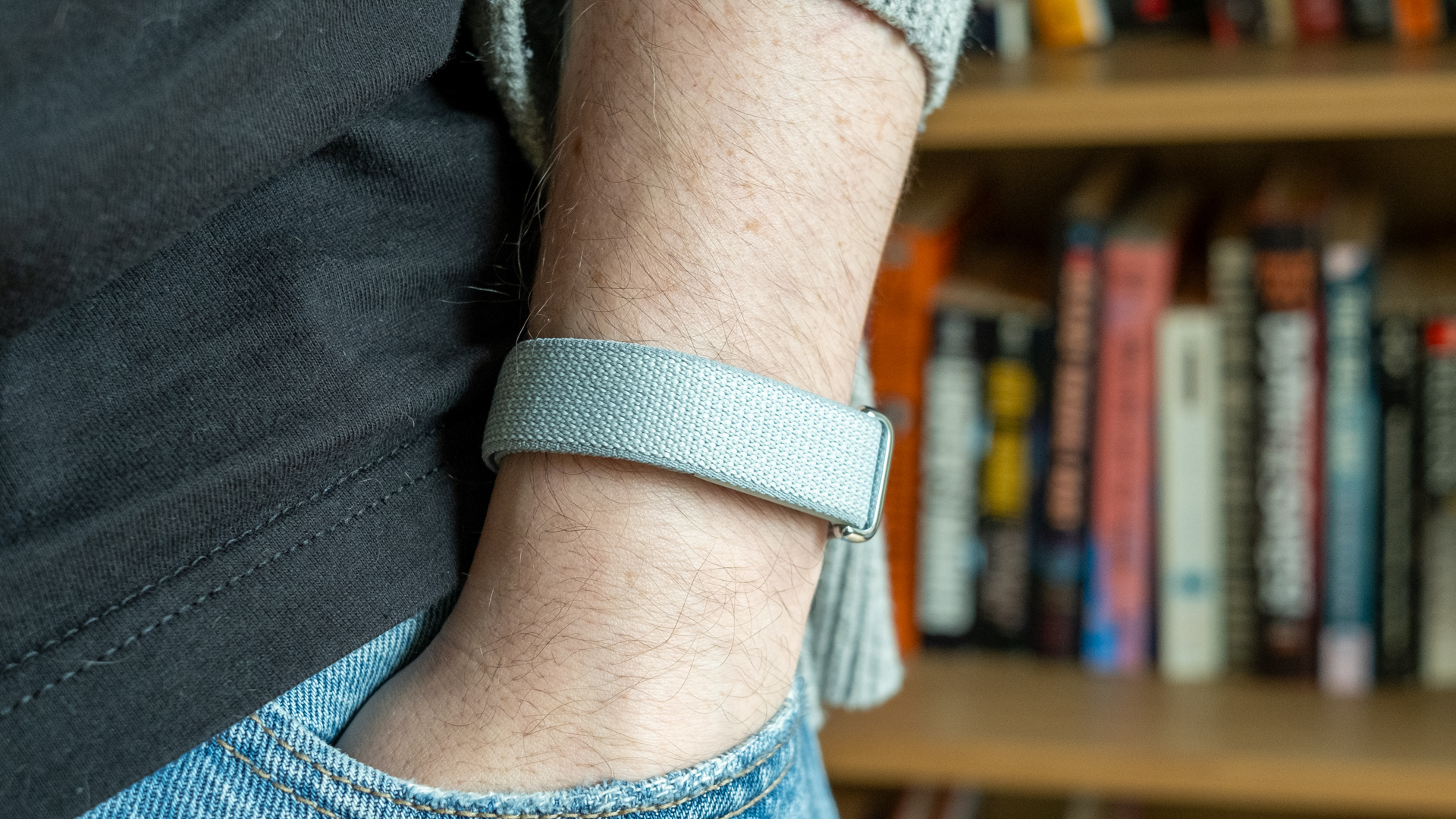
The device represents a shift back to distraction-free health tracking, featuring only a single LED indicator and a basic vibration motor reserved for alarms. However, early hands-on evaluations indicate that while the hardware succeeds as an unobtrusive, comfortable wearable, the accompanying AI coaching software suffers from overly polite, chatty interactions that offer little actionable training value.
According to reports, the Fitbit Air ditches the color screens common on modern smartwatches. Instead, the device is a tiny, lightweight puck of health sensors that users can easily forget they are wearing.
The hardware is highly minimalist. There is no speaker, and the chassis features only a single LED on the side to indicate battery level.
Users can double-tap the tracker to check the battery status, which represents the extent of on-device physical interaction.
The internal vibration motor is strictly reserved for silent alarms. It cannot sync with smartphone notifications, a design choice that aligns with the lack of a display.
The Fitbit Air ships with a stock Performance Band made of smooth polyester yarn and this band features small velcro pads and a metal loop, making it durable but prone to absorbing moisture during heavy workouts.
For swimming or intense exercise, users will likely need to purchase the $35 silicone active band. This accessory secures the sensor puck more effectively and offers a sporty aesthetic.
Google also offers a premium $50 Elevated band, which provides a more understated look for formal wear.
While the hardware remains out of sight, the software experience is dominated by Google's new AI Health Coach. The companion app uses generative AI to analyze user health data and deliver conversational feedback.
However, the coaching interface has drawn criticism for being excessively chatty and overly polite. Rather than delivering direct, actionable fitness advice, the AI coach tends to offer generic encouragement.
At $100, the Fitbit Air positions itself as an entry-level tracker for users who want to monitor their health without the distraction of a smartwatch screen.
The device integrates deeply with Google's broader health platform, feeding sensor data directly into the Fitbit app.
However, the reliance on the AI coach as a primary interface element may alienate users who prefer traditional, data-dense dashboards over conversational text blocks.
Subscribe wiring is coming soon. For now, follow the daily news feed or connect on LinkedIn for updates.

Swiss startup Flexion Robotics has developed a simulation-first training method that allows humanoid robots to autonomously perform complex office chores.

The arson trial of Jonathan Rinderknecht ended in a mistrial after prosecutors introduced his ChatGPT conversational history as evidence of intent, sparking pushback from jurors.

Apple's appeal against a London Court of Appeal ruling begins Monday at the UK Supreme Court, challenging a $502 million patent licensing requirement.