Improving Your AI Coding Agent Without switching the Model or touching the harness
Microsoft’s SkillOpt shows how AI coding agents can improve through self-evolving skills without retraining the model or rebuilding the agent harness.

White House senior AI advisor Sriram Krishnan will step down from his government role at the end of June 2026, concluding his tenure shaping federal artificial intelligence policy. Krishnan announced his departure in a post on X, expressing gratitude for the opportunity to serve under President Donald Trump during a critical phase of the global AI race.
A former venture capitalist and product executive, Krishnan joined the administration as part of a broader influx of Silicon Valley figures into Washington. During his time at the White House, he helped steer policy toward rapid infrastructure development, championing an approach that prioritized data center construction and domestic computing power over stringent safety regulations.
In his departure announcement, Krishnan highlighted several key policy initiatives completed during his tenure. Chief among these was the administration's AI Action Plan and reports note that this plan focused heavily on accelerating data center construction, aiming to secure American dominance in raw compute capacity.
In a statement published on social media, Krishnan reflected on his time in government:
"It is hard to express how big a privilege it has been to serve the American people and how grateful I am to have had the opportunity to do so," Krishnan wrote.
Under this policy framework, the administration sought to bypass state-level environmental and utility regulations that tech companies argued were slowing down infrastructure deployment. Krishnan, who previously worked as a general partner at Andreessen Horowitz, brought a venture-backed perspective to the role, aligning federal policy with the interests of major tech investors.
Before his venture capital career, Krishnan held senior product leadership roles at Microsoft, Twitter, Yahoo, Facebook, and Snap. His appointment reflected a deliberate strategy by the administration to recruit active industry practitioners to draft policy, rather than relying on traditional career bureaucrats.
Krishnan's departure comes as the administration explores unconventional economic arrangements with leading artificial intelligence developers. There are reports that the White House has held talks about taking government equity stakes in private AI companies, including OpenAI.
These discussions align with a broader interest in establishing a "Public Wealth Fund" to distribute AI-driven economic growth directly to American citizens. While Krishnan did not explicitly detail his involvement in these specific negotiations, his office was central to the executive orders challenging state-level AI regulations and establishing new federal oversight frameworks.
The transition in Washington coincides with significant leadership reshuffling across the broader technology sector. Just days before Krishnan's announcement, venture capitalist Reid Hoffman announced he was stepping down from Microsoft's board of directors.
According to a report on the board exit, Hoffman is leaving his position to focus on his AI startup, Manus. These parallel moves highlight a fluid environment where prominent tech figures frequently transition between corporate governance, startup operations, and federal advisory roles.
The White House has not yet named a successor to fill Krishnan's role as senior policy advisor. His departure leaves a temporary vacancy at the top of the administration's AI policy apparatus at a time when federal agencies are actively implementing the directives laid out in the AI Action Plan.
Industry observers expect the administration to maintain its deregulatory stance, continuing to focus on expanding domestic energy production and electrical grid capacity to support massive AI data centers. Whether the next advisor will continue the push for public equity stakes in private AI firms remains an open question.
Subscribe wiring is coming soon. For now, follow the daily news feed or connect on LinkedIn for updates.
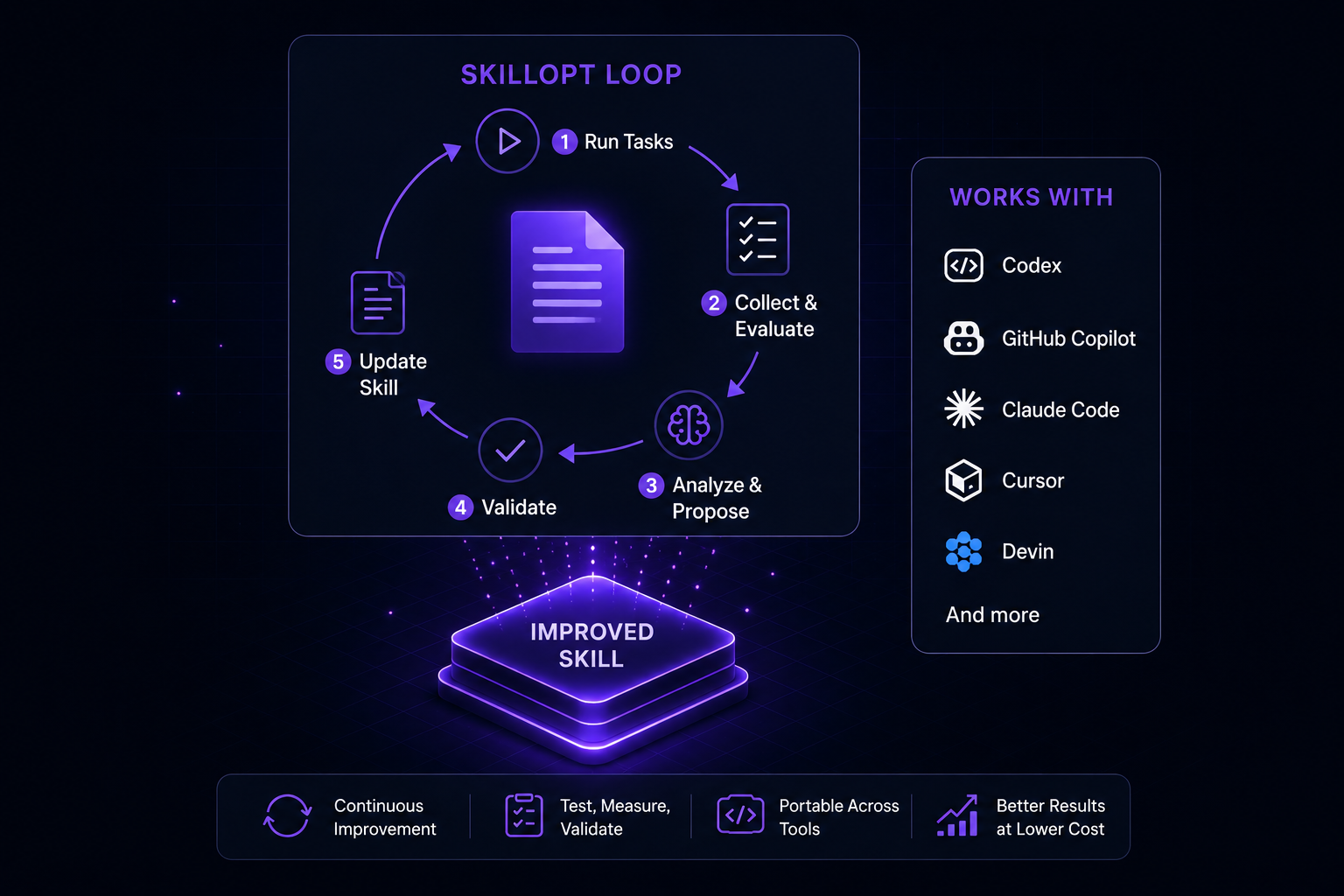
Microsoft’s SkillOpt shows how AI coding agents can improve through self-evolving skills without retraining the model or rebuilding the agent harness.

Ashton Kutcher is departing Sound Ventures, the firm he co-founded 11 years ago, to launch a new early-stage venture capital fund with former NFX partner Morgan Beller.

Anthropic has released Claude Sonnet 5 with a 1 million token context window while securing US Department of Commerce clearance to bring back its sidelined Fable 5 and Mythos 5 models.