Improving Your AI Coding Agent Without switching the Model or touching the harness
Microsoft’s SkillOpt shows how AI coding agents can improve through self-evolving skills without retraining the model or rebuilding the agent harness.
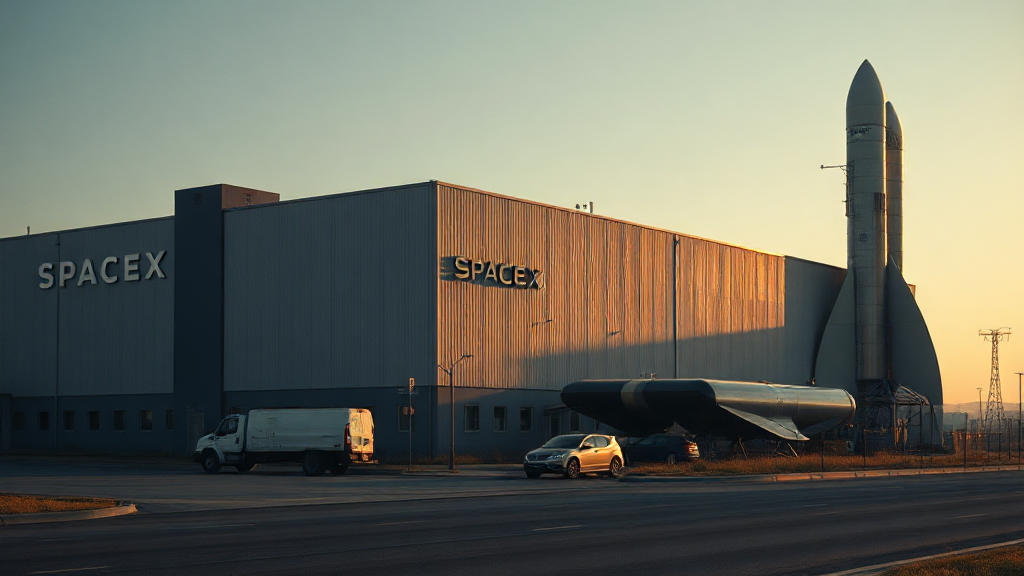
S&P Dow Jones Indices rejected a request by SpaceX for accelerated entry into the S&P 500 index on June 4, blocking a fast-track route to the benchmark for the space company. The decision also shuts the door on immediate index inclusion for unprofitable artificial intelligence firms like OpenAI and Anthropic following their own anticipated initial public offerings, preserving strict profitability rules for the index.
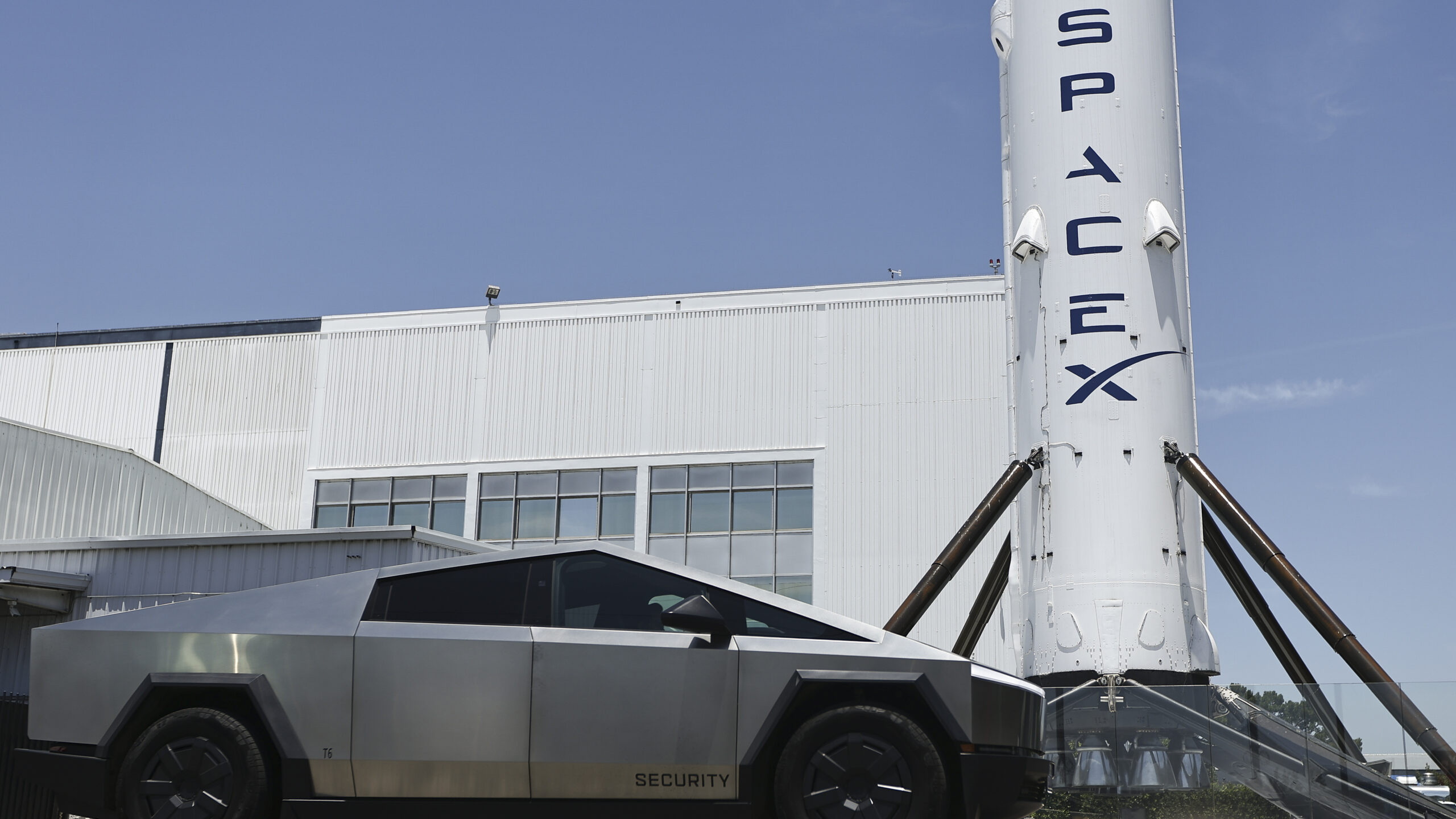
The refusal by the index manager to waive its standard eligibility criteria means SpaceX will miss out on immediate access to billions of dollars from passive investment funds. Market analysts note the decision highlights growing caution surrounding speculative AI infrastructure projects and the high capital expenditures required to build and maintain them.
According to a report on the index block, SpaceX requested unusually swift entry into several leading stock market indexes as a condition of its upcoming public debut. S&P Dow Jones Indices surprised market analysts by refusing to bend its standard eligibility criteria, which require companies to demonstrate consistent profitability before joining the index.
The decision has broader implications for the wider AI sector. Had S&P made an exception for SpaceX, it would have paved the way for leading AI developers like OpenAI and Anthropic to gain rapid entry into the index after their own expected initial public offerings. That fast-track option is now closed to unprofitable AI firms.
SpaceX's connection to the AI sector has deepened through its massive physical infrastructure footprint. Analysis on Google compute deal revealed that Google signed a regulatory filing to pay SpaceX $920 million per month from October 2026 through June 2029.
The regulatory filing outlines several key terms of the agreement:
SpaceX did not disclose the specific data center location for the Google deal, though CEO Elon Musk has previously indicated that the upcoming Colossus 2 data center would be reserved for xAI.
The Google contract follows a similar, larger deal SpaceX secured with Anthropic and Anthropic agreed in late May to pay SpaceX $1.25 billion per month through 2029 to rent all available compute from the Colossus 1 data center in Memphis, Tennessee.
The Colossus 1 facility was originally built by xAI, which has since been integrated into SpaceX. The massive scale of these rental agreements highlights how SpaceX has positioned itself as a primary landlord for AI compute, even as the company prepares for its historic stock market debut under strict index rules.
Ars Technica notes that the decision will likely relieve market observers concerned about exposing passive retirement accounts to the volatile capital requirements of AI infrastructure. AI companies are finding it increasingly difficult to fund and construct expensive data centers, often passing these subsidized costs onto customers through usage-based pricing.
Without the prospect of fast-tracked S&P 500 inclusion, unprofitable AI firms face a more traditional path to index representation. They must first achieve sustained profitability under standard rules, a milestone that remains distant for many capital-intensive AI startups.
Subscribe wiring is coming soon. For now, follow the daily news feed or connect on LinkedIn for updates.
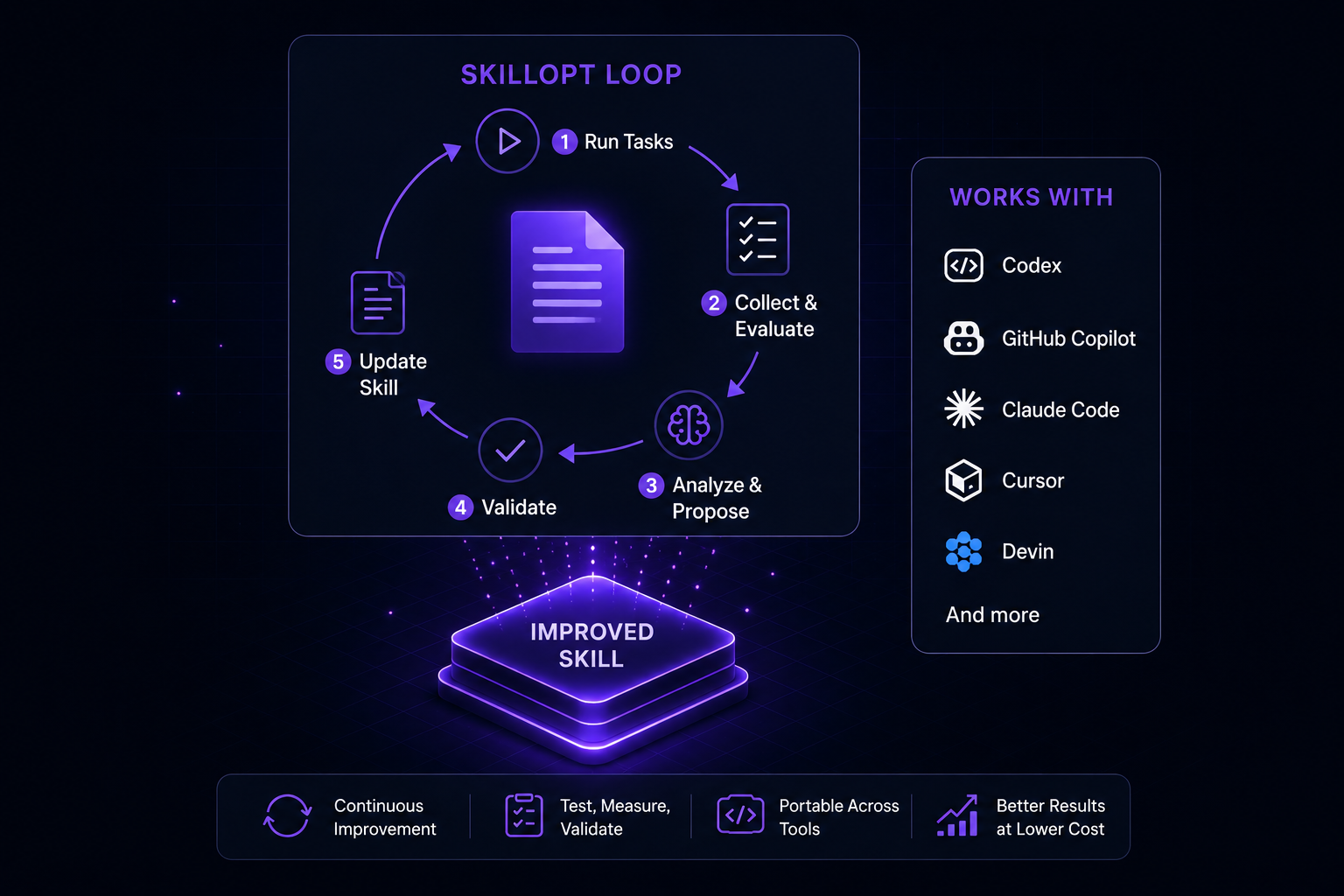
Microsoft’s SkillOpt shows how AI coding agents can improve through self-evolving skills without retraining the model or rebuilding the agent harness.

Ashton Kutcher is departing Sound Ventures, the firm he co-founded 11 years ago, to launch a new early-stage venture capital fund with former NFX partner Morgan Beller.
Anthropic has released Claude Sonnet 5 with a 1 million token context window while securing US Department of Commerce clearance to bring back its sidelined Fable 5 and Mythos 5 models.