Improving Your AI Coding Agent Without switching the Model or touching the harness
Microsoft’s SkillOpt shows how AI coding agents can improve through self-evolving skills without retraining the model or rebuilding the agent harness.

Tech industry terminology expanded further into the physical world this week as publishers updated glossaries to track "AI agents," while robotics startups launched aggressive real-world data-gathering campaigns. On May 29, 2026, TechCrunch updated its glossary of artificial intelligence terms to address software agents, while training startup Shift began offering free home cleaning in New York to secure video footage of domestic chores.
The parallel developments highlight a shifting bottleneck in AI development. While software companies struggle to align on definitions for terms like "artificial general intelligence" (AGI), robotics firms face a more practical hurdle: a lack of high-quality, real-world physical training data. This has forced startups to trade labor for video rights, attempting to bridge the gap between digital reasoning and physical execution.
As artificial intelligence tools proliferate, they are inventing a new language that can leave even tech industry veterans feeling insecure.
A central focus of the updated terminology is the "AI agent." The glossary defines an agent as a tool that uses AI technologies to perform a series of tasks on a user's behalf. Unlike simple chatbots that respond to prompts, agents are designed to execute multi-step workflows autonomously, representing a shift toward more independent software systems.
The industry remains deeply divided over the definition of artificial general intelligence, or AGI. TechCrunch reports that the term remains nebulous, with major AI labs proposing conflicting standards. OpenAI CEO Sam Altman previously described AGI as the equivalent of a median human coworker, while OpenAI’s formal charter defines it as highly autonomous systems outperforming humans at most economically valuable work.
Google DeepMind offers a slightly different perspective, viewing AGI as AI that is at least as capable as humans at most cognitive tasks. The report notes that even experts at the forefront of AI research are confused by these competing definitions, leaving the public to navigate a maze of marketing terms and academic theories.
While software developers debate definitions, robotics companies are focusing on physical agents that must interact with the real world. AI training startup Shift recently began offering free home cleaning services to residents in New York, with plans to expand the program to London.
The free service comes with a significant catch. In exchange for cleaning, Shift requires complete video footage of its workers performing domestic labor. The startup plans to record cleaners scrubbing dishes, wiping counters, dusting tables, and mopping floors. This footage provides the raw training data needed to teach autonomous machines how to perform physical tasks.
Building physical AI agents is significantly more complex than training digital chatbots or image generators. Robots must navigate the physical world, which requires an understanding of space, motion, force, friction, and varying lighting conditions. Humans grasp these concepts instinctively, but machines require vast amounts of visual and physical data to replicate basic movements.
The Verge reports that robotics companies are racing to teach machines these domestic skills so they can eventually commercialize household robots. By trading free cleaning services for video data, startups like Shift are attempting to bypass the data scarcity that currently limits physical AI, showing how far companies will go to secure proprietary training datasets.
Subscribe wiring is coming soon. For now, follow the daily news feed or connect on LinkedIn for updates.
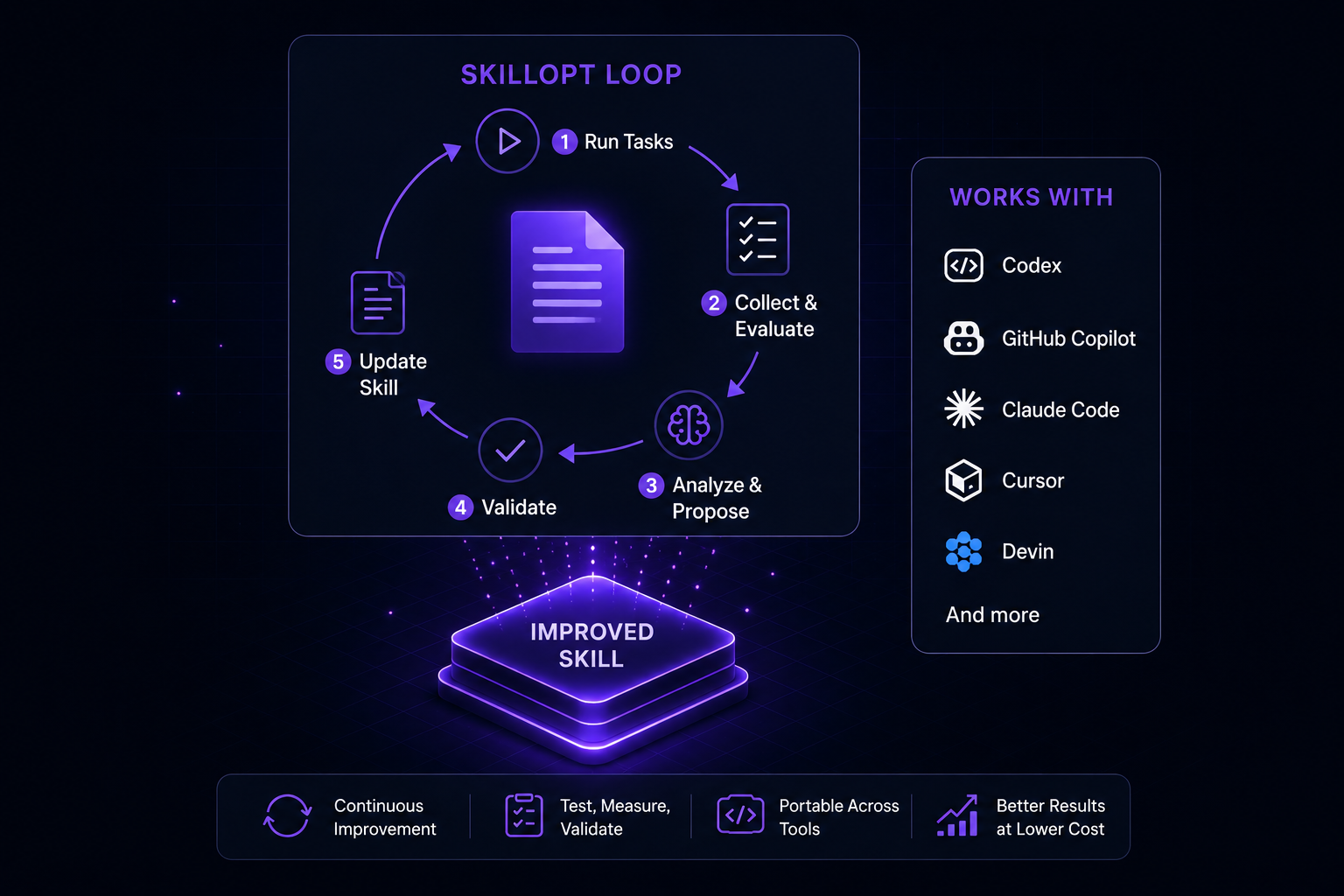
Microsoft’s SkillOpt shows how AI coding agents can improve through self-evolving skills without retraining the model or rebuilding the agent harness.

Ashton Kutcher is departing Sound Ventures, the firm he co-founded 11 years ago, to launch a new early-stage venture capital fund with former NFX partner Morgan Beller.

Anthropic has released Claude Sonnet 5 with a 1 million token context window while securing US Department of Commerce clearance to bring back its sidelined Fable 5 and Mythos 5 models.