Improving Your AI Coding Agent Without switching the Model or touching the harness
Microsoft’s SkillOpt shows how AI coding agents can improve through self-evolving skills without retraining the model or rebuilding the agent harness.

Robinhood announced on Wednesday that it is opening its trading platform to autonomous AI agents, allowing users to establish dedicated, isolated accounts funded with specific capital limits for automated stock trading. The new feature allows these independent algorithms to execute buy and sell orders across the market based on user-defined parameters.

The brokerage accompanied the release with a strict warning that agentic trading involves significant risk, including the potential loss of an investor's entire balance. The launch comes as major tech firms push agents as the next paradigm, despite ongoing engineering challenges regarding their accuracy and reliability in real-world environments.
To mitigate the risks of runaway algorithmic trading, Robinhood is implementing several control mechanisms. Users must set up a separate, isolated account specifically for the AI agent and fund it with a designated amount of capital. This design prevents the agent from accessing the user's primary portfolio or cash reserves.
Despite these guardrails, Robinhood explicitly disclaims liability for the performance of these automated systems. The company stated that it does not guarantee the accuracy, completeness, or suitability of any agent's output, and will not be held responsible for financial losses resulting from agent decisions.
Users will receive real-time updates to monitor their automated portfolios. The platform includes three primary safety features:
The launch highlights a growing tension between corporate AI ambitions and the technical limitations of current large language models. While companies like Microsoft, Google, and OpenAI pitch AI agents as capable personal assistants, developers frequently find that delegating transactional tasks to LLMs yields high error rates.
While agents have shown utility in structured environments like software development, tasks requiring them to fill out web forms or execute financial transactions on behalf of a user often suffer from hallucinations or formatting errors. A bad API call or a misunderstood prompt in a trading context can result in immediate, irreversible financial consequences.
This gap between executive enthusiasm and technical capability reflects a broader trend in the technology sector. Many technology executives may be overestimating what current agentic systems can reliably achieve.
Box founder Aaron Levie recently commented on this dynamic, suggesting that corporate leaders are often too far removed from the practical engineering work required to make AI systems function reliably.
"CEOs are uniquely prone to AI psychosis because they’re sufficiently distant from the last mile of work that still has to happen to generate most value with AI," Levie wrote on X.
While executives play with prototypes and assume agents can seamlessly automate complex workflows, the engineers tasked with deploying these systems must still spend significant time debugging and reviewing code.
Subscribe wiring is coming soon. For now, follow the daily news feed or connect on LinkedIn for updates.
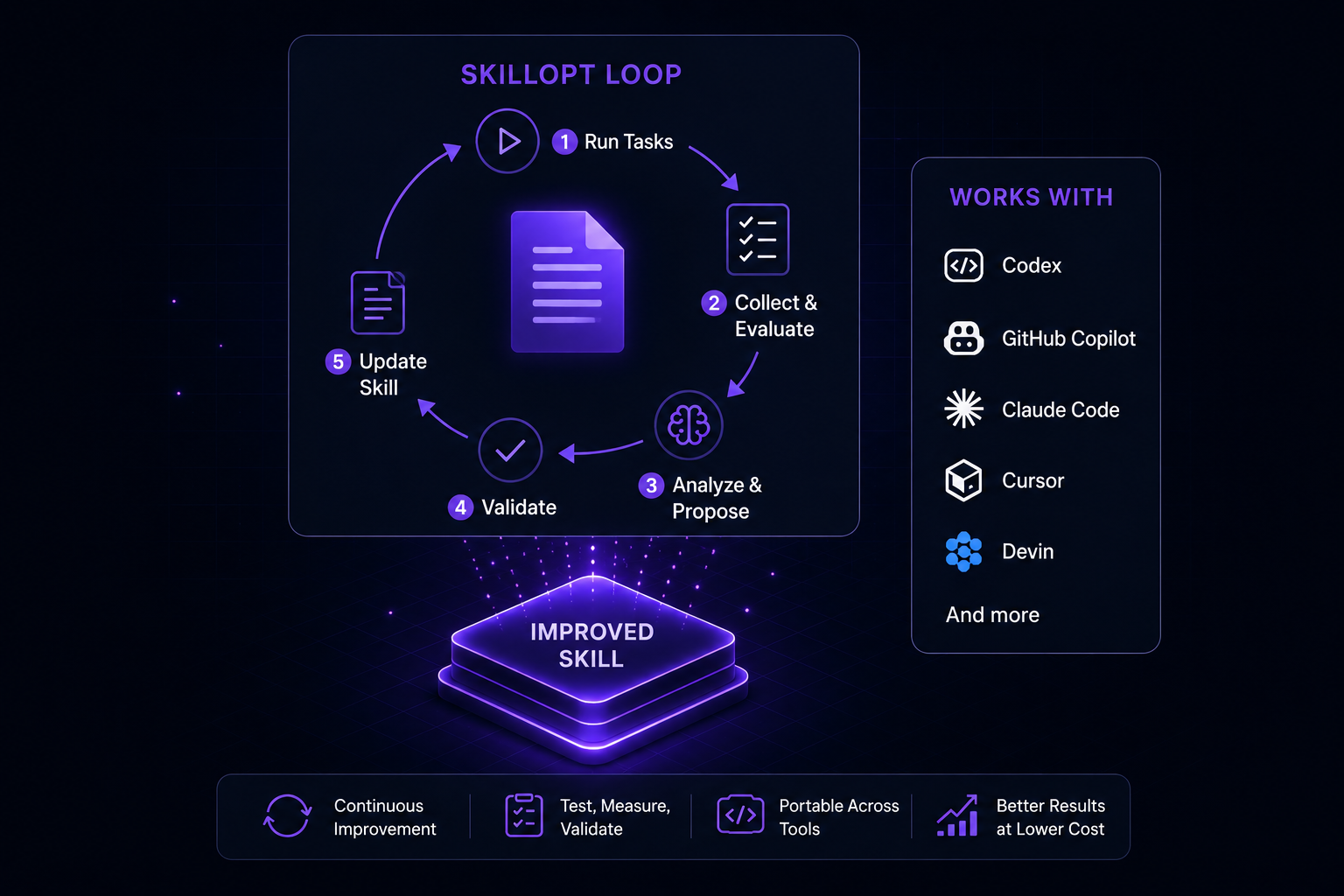
Microsoft’s SkillOpt shows how AI coding agents can improve through self-evolving skills without retraining the model or rebuilding the agent harness.

Ashton Kutcher is departing Sound Ventures, the firm he co-founded 11 years ago, to launch a new early-stage venture capital fund with former NFX partner Morgan Beller.

Anthropic has released Claude Sonnet 5 with a 1 million token context window while securing US Department of Commerce clearance to bring back its sidelined Fable 5 and Mythos 5 models.