Improving Your AI Coding Agent Without switching the Model or touching the harness
Microsoft’s SkillOpt shows how AI coding agents can improve through self-evolving skills without retraining the model or rebuilding the agent harness.
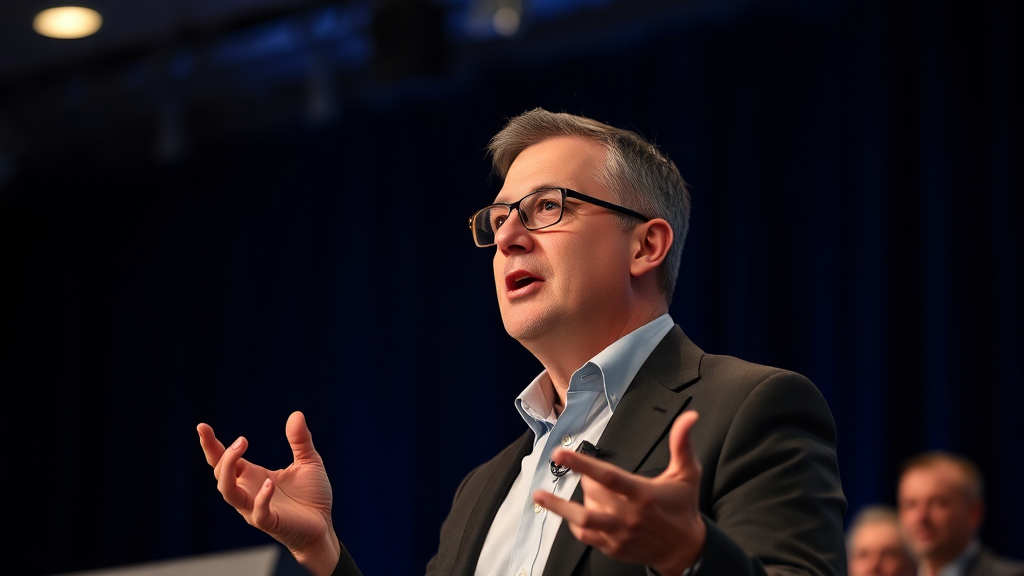
OpenAI global policy chief Chris Lehane announced on Wednesday that the artificial intelligence developer is actively lobbying progressive state governments to pass AI safety regulations. Lehane described the strategy as "reverse federalism," an effort to establish a de facto national standard through state-level legislation while gridlock in Washington prevents Congress from passing comprehensive federal AI guardrails.

The initiative marks a significant departure from traditional tech industry tactics, which historically focused on securing federal preemption to block states from creating a patchwork of local rules. The shift comes after nearly a year of stalled congressional efforts to regulate generative AI models.
OpenAI is focusing its efforts on influential "blue" states, including California and New York, where lawmakers have already proposed aggressive AI safety bills. By helping shape legislation in these massive economies, OpenAI aims to create rules that other states and eventually the federal government will feel pressured to adopt.
The strategy represents a pragmatic pivot for the ChatGPT creator. With federal lawmakers unable to pass meaningful AI legislation, state capitals have become the primary battlegrounds for technology policy. Lehane argued that waiting for Washington to act is no longer a viable option for the rapidly growing industry.
Under the "reverse federalism" model, OpenAI plans to collaborate with state attorneys general and legislators to draft model bills. These bills would focus on watermarking AI-generated content, preventing algorithmic discrimination, and securing critical infrastructure against automated cyber threats.
"We are looking to work with states that want to lead on this," Lehane told Politico. "If you get a handful of the largest states to agree on a common framework, that becomes the national standard by default."
Historically, major technology companies have lobbied federal officials to pass weak national laws that explicitly override stronger state-level consumer protections. Trade groups representing Silicon Valley have spent millions of dollars warning that a fragmented regulatory environment would stifle innovation and harm American competitiveness.
By contrast, OpenAI's willingness to embrace state-level rules suggests a calculation that some regulation is inevitable. By participating directly in the drafting process at the state level, the company can steer lawmakers away from more restrictive measures, such as mandatory liability for open-source developers.
This tactical pivot also distances OpenAI from its peers. While other tech giants continue to push for federal preemption, OpenAI's proactive state engagement allows it to position itself as a cooperative partner to regulators. This positioning could help the company blunt more hostile legislative proposals before they gain traction in statehouses.
The lobbying push comes as OpenAI navigates broader political and legal challenges. While Congress has failed to pass domestic safety rules, federal lawmakers have instead focused on national security, with Reuters reporting on efforts to restrict Chinese AI sales abroad.
Simultaneously, OpenAI recently defeated a high-profile lawsuit from Elon Musk, which TechCrunch reported was rejected by a jury.
The strategy is not without significant risk. Critics warn that a state-by-state approach could still result in conflicting compliance requirements that burden smaller startups. While OpenAI has the resources to navigate differing rules in California and New York, smaller AI developers may struggle to comply with a fragmented legal environment.
Furthermore, some policy experts question whether state agencies have the technical expertise required to enforce complex rules on frontier AI models. Without federal oversight, enforcement may rely heavily on state attorneys general, leading to inconsistent application of safety standards across the country.
Subscribe wiring is coming soon. For now, follow the daily news feed or connect on LinkedIn for updates.
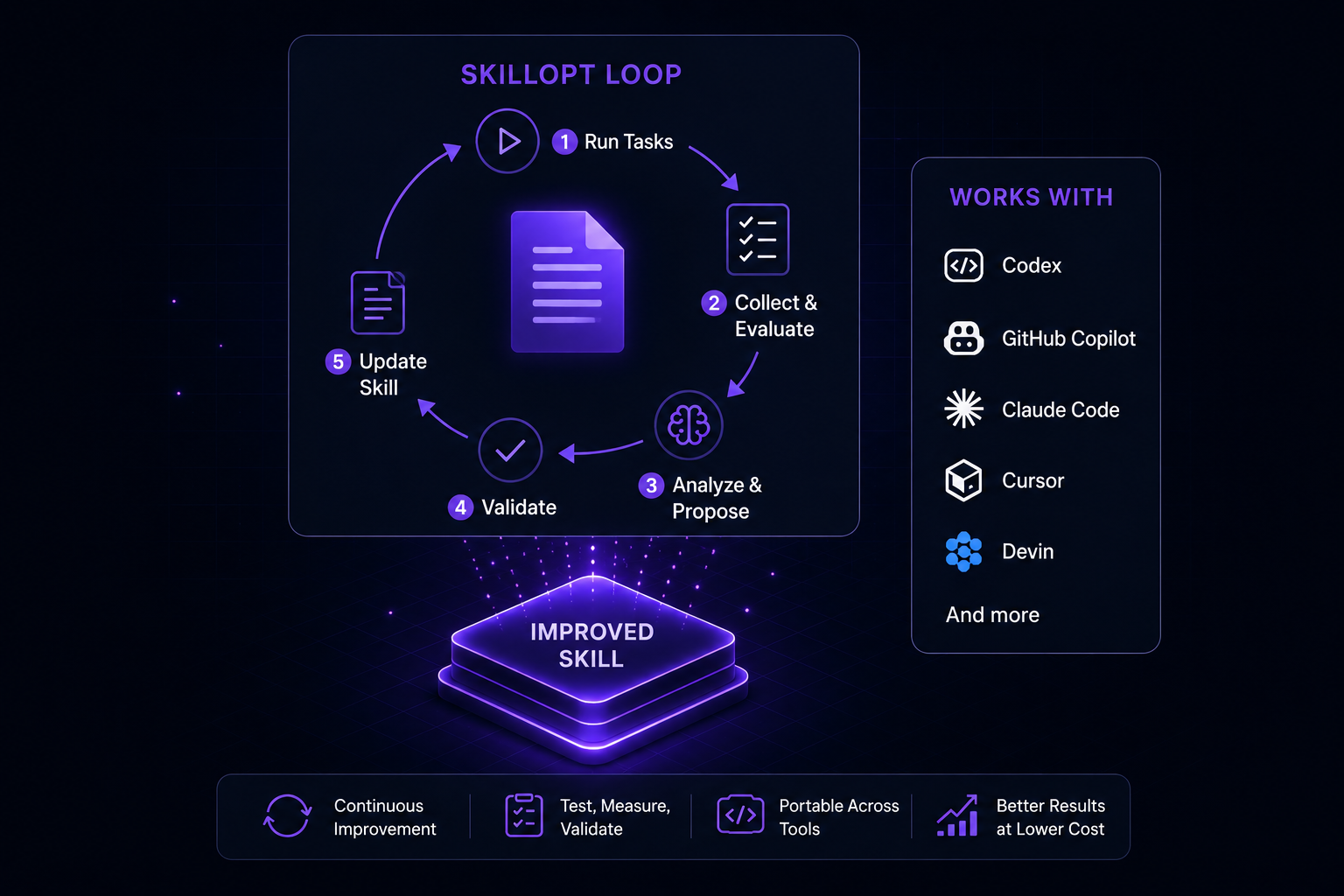
Microsoft’s SkillOpt shows how AI coding agents can improve through self-evolving skills without retraining the model or rebuilding the agent harness.

Ashton Kutcher is departing Sound Ventures, the firm he co-founded 11 years ago, to launch a new early-stage venture capital fund with former NFX partner Morgan Beller.

Anthropic has released Claude Sonnet 5 with a 1 million token context window while securing US Department of Commerce clearance to bring back its sidelined Fable 5 and Mythos 5 models.