Improving Your AI Coding Agent Without switching the Model or touching the harness
Microsoft’s SkillOpt shows how AI coding agents can improve through self-evolving skills without retraining the model or rebuilding the agent harness.
OpenAI plans to overhaul ChatGPT in the coming weeks, transforming the chatbot into an agent-based "superapp" equipped with advanced coding tools to drive users toward higher-margin products. The redesign, first reported by the Financial Times, arrives alongside a new "Lockdown Mode" security feature designed to protect enterprise and personal accounts from prompt injection attacks during automated tasks.

The planned transition aims to position ChatGPT as a central gateway for complex, multi-step workflows. By integrating native developer tools and autonomous agents, the $850 billion startup hopes to secure recurring enterprise revenue ahead of a highly anticipated initial public listing. However, the shift to agentic workflows introduces fresh security risks, prompting the immediate rollout of defensive controls.
According to a reporting on the product roadmap, the upcoming redesign will focus heavily on executing tasks autonomously. Instead of relying on simple conversational exchanges, the overhauled ChatGPT will coordinate multiple software tools to complete complex engineering and administrative processes.
A Reuters report on the plans noted that the superapp strategy is designed to convert free and low-tier users into subscribers of OpenAI's more expensive, high-margin services. The update represents a shift from a general-purpose chatbot to an integrated development and execution environment.
As OpenAI prepares to launch these autonomous agent capabilities, the company is addressing the security vulnerabilities inherent in letting models browse the web and execute code. OpenAI has unveiled Lockdown Mode, a defensive feature built to stop prompt injection attacks where malicious instructions are embedded in external web pages.
When users activate Lockdown Mode, the system restricts several high-risk capabilities to protect sensitive data. The restricted features include:
The security update is currently rolling out to self-serve ChatGPT Business accounts and eligible personal accounts. OpenAI acknowledged that even with the mode active, malicious instructions hidden in uploaded files or cached content could still influence responses.
In its documentation, OpenAI stated that the feature is aimed at high-risk environments:
"Lockdown Mode is not intended for everyone. It is designed for people and organizations that handle sensitive data and want stricter protection from data exfiltration risks related to prompt injection."
The dual focus on agent capabilities and hardened security comes as OpenAI faces mounting pressure to justify its private valuation. The Financial Times reports that the company is seeking to establish stable, high-margin enterprise revenue streams before pursuing a public market listing.
By embedding coding environments and agent tools directly into ChatGPT, OpenAI hopes to reduce churn among software engineers and enterprise clients who currently use third-party developer platforms. The success of the superapp strategy will depend on whether developers trust the platform's security boundaries during automated tasks.
Subscribe wiring is coming soon. For now, follow the daily news feed or connect on LinkedIn for updates.
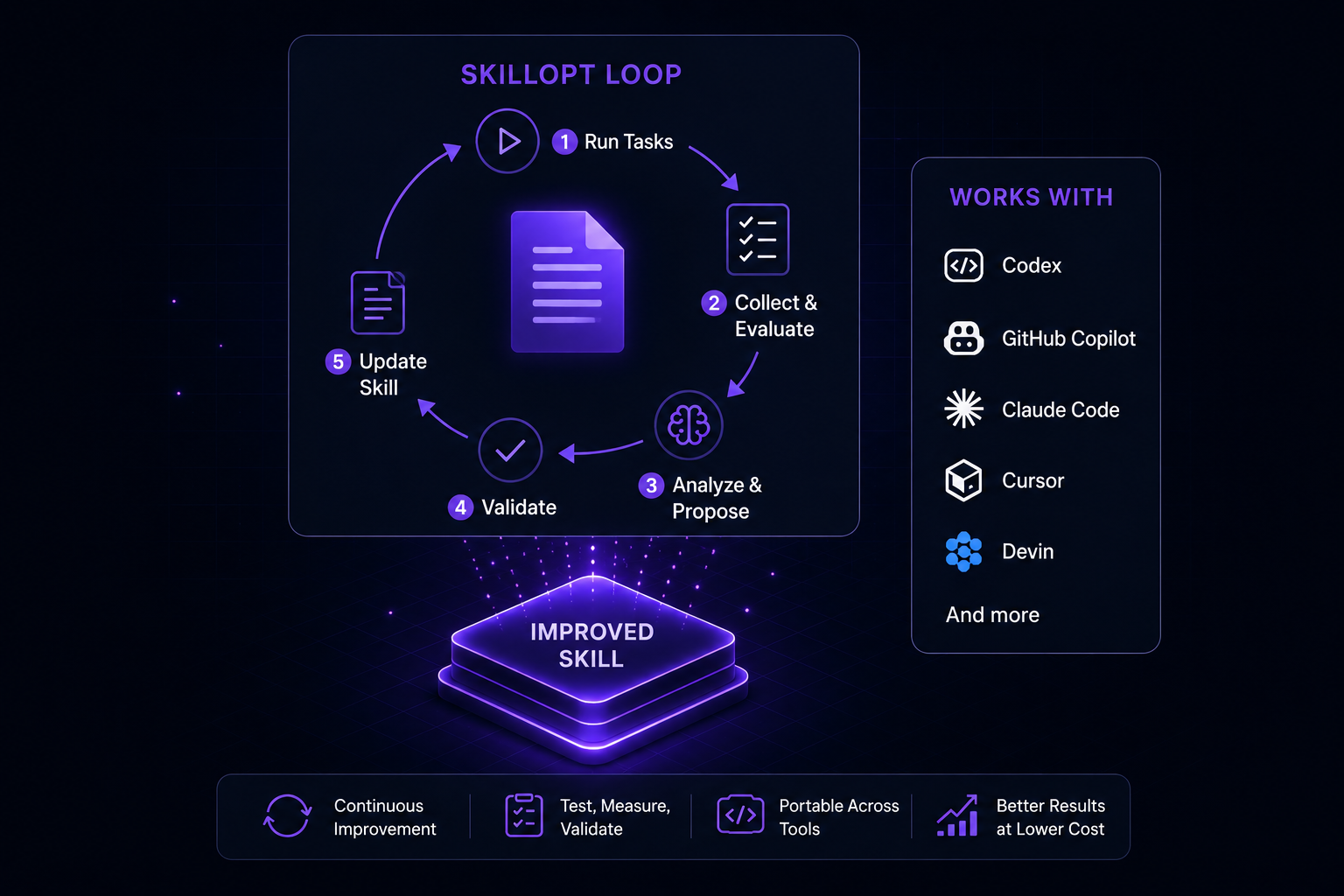
Microsoft’s SkillOpt shows how AI coding agents can improve through self-evolving skills without retraining the model or rebuilding the agent harness.

Ashton Kutcher is departing Sound Ventures, the firm he co-founded 11 years ago, to launch a new early-stage venture capital fund with former NFX partner Morgan Beller.

Anthropic has released Claude Sonnet 5 with a 1 million token context window while securing US Department of Commerce clearance to bring back its sidelined Fable 5 and Mythos 5 models.