Improving Your AI Coding Agent Without switching the Model or touching the harness
Microsoft’s SkillOpt shows how AI coding agents can improve through self-evolving skills without retraining the model or rebuilding the agent harness.
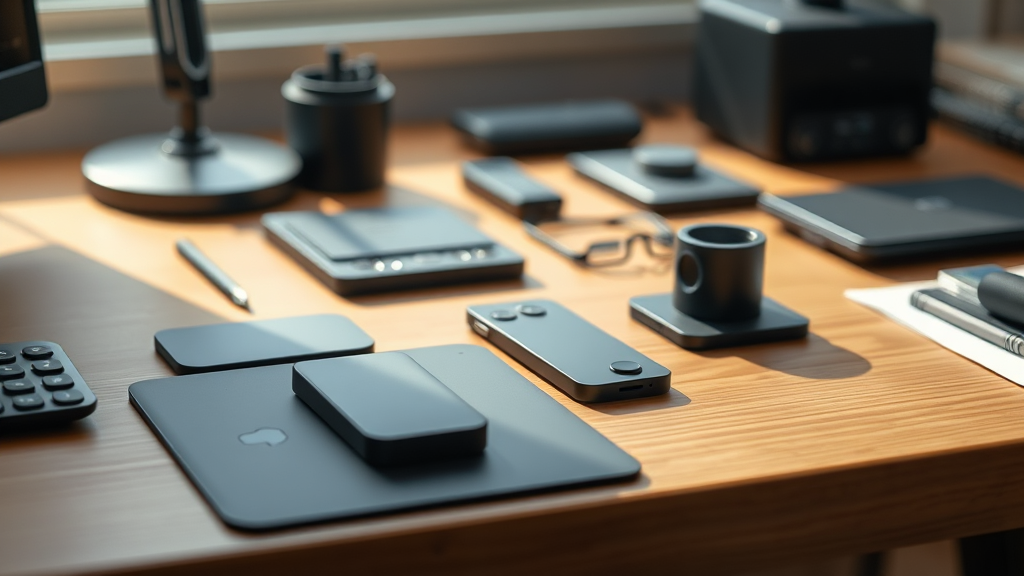
Microsoft announced "Project Solara" at its Build 2026 conference, introducing an Android-based operating system designed specifically to run AI agents instead of traditional applications. The platform represents a shift in Microsoft's hardware strategy, moving away from Windows to power a new class of specialized, agent-driven gadgets.

The technology giant positioned the software as a chip-to-cloud platform intended to decouple AI agents from single, rigid interfaces. Rather than releasing consumer hardware directly, Microsoft is offering Project Solara as a reference design to encourage third-party hardware manufacturers to build specialized physical devices.
To demonstrate the platform, Microsoft showcased two prototype devices running the new operating system at the event:
According to the announcement, the badge's camera can also be used by the agent to analyze the user's physical surroundings in real time. Microsoft does not plan to ship these devices directly, positioning them strictly as reference blueprints for other hardware makers.
Project Solara bypasses Windows entirely, relying instead on a customized version of Android and the operating system is built to generate user interfaces dynamically on the fly, tailored to the specific task the agent is performing.
By choosing Android, Microsoft avoids the overhead of adapting its legacy desktop operating system for low-power, specialized mobile form factors. The architecture relies on cloud-hosted models to supply the underlying intelligence, routing local sensor data from the device to Microsoft's cloud infrastructure. This chip-to-cloud approach aims to free agents from the constraints of a single physical interface.
Microsoft's decision to release reference designs rather than consumer hardware mirrors its historical strategy with Windows PCs. By providing the underlying operating system and hardware blueprints, the company hopes to lower the barrier to entry for device makers. The platform aims to standardize the hardware-to-software interface, allowing manufacturers to focus on physical design.
The initiative highlights Microsoft's effort to establish a foothold in the next generation of mobile and ambient computing. Having missed the initial smartphone application transition dominated by Apple and Google, Microsoft is positioning Project Solara to capture the emerging market for dedicated AI hardware.
However, the platform remains highly experimental and Project Solara is currently limited to reference hardware and early software frameworks. The success of the operating system depends on third-party manufacturers adopting the designs and the development of more capable underlying AI models.
Subscribe wiring is coming soon. For now, follow the daily news feed or connect on LinkedIn for updates.
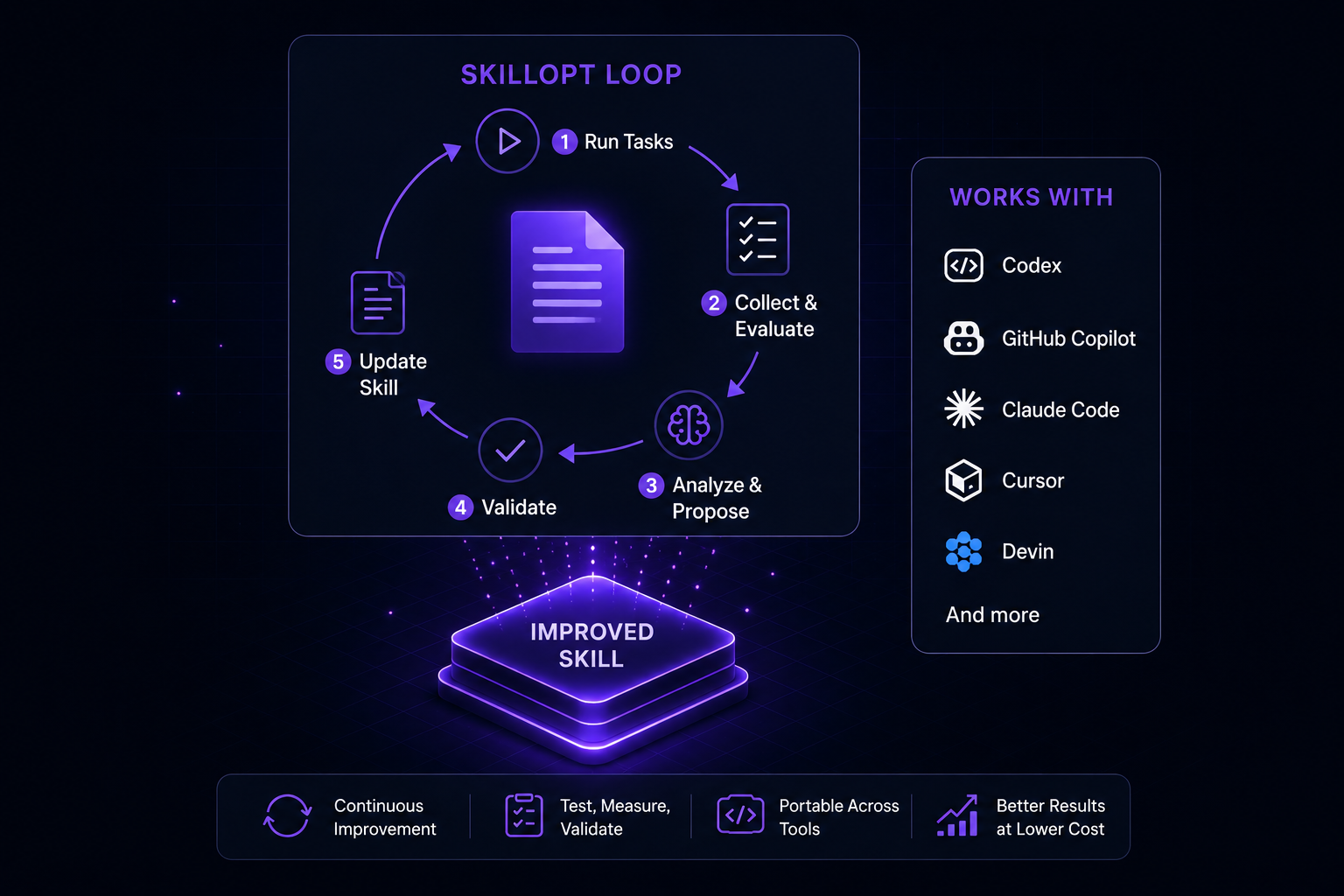
Microsoft’s SkillOpt shows how AI coding agents can improve through self-evolving skills without retraining the model or rebuilding the agent harness.
Ashton Kutcher is departing Sound Ventures, the firm he co-founded 11 years ago, to launch a new early-stage venture capital fund with former NFX partner Morgan Beller.

Anthropic has released Claude Sonnet 5 with a 1 million token context window while securing US Department of Commerce clearance to bring back its sidelined Fable 5 and Mythos 5 models.