Improving Your AI Coding Agent Without switching the Model or touching the harness
Microsoft’s SkillOpt shows how AI coding agents can improve through self-evolving skills without retraining the model or rebuilding the agent harness.

Brendan Foody, co-founder of the AI talent platform Mercor, publicly accused venture capital giant Sequoia Capital on Monday of employing "dual-pricing" valuation tactics to artificially inflate the headline valuations of its portfolio companies. Foody characterized the practice as a systemic issue rather than an isolated incident, calling it the "Sequoia scam" in a series of posts on X.
The accusation comes amid a broader wave of tech founders sharing grievances about venture capital behavior online. However, Foody’s target is notable given Sequoia's status as one of Silicon Valley's most prominent firms and Mercor's own recent $10 billion valuation, bringing high-profile scrutiny to a controversial funding structure.
According to detailed report on the allegations, the dual-pricing mechanism allows venture capital firms to invest in a single startup using two distinct valuation tiers. The lead investor puts the majority of their capital into the company at a lower, preferential valuation, securing a larger equity stake for less money.
Simultaneously, the investor places a much smaller portion of capital into the startup at a drastically higher price point. The startup then publicly announces the higher valuation as the official "headline" figure for the entire round. This process manufactures the perception of a dominant, high-value market winner while masking the investor's actual, much lower average entry price.
Foody claimed to have observed this specific tranche structure repeatedly in recent months. He noted that the practice distorts the reality of a company's financial health and market standing, creating a gap between public perception and private equity terms.
The primary criticism of the dual-pricing structure is the downstream effect on secondary participants, such as startup employees and angel investors. Because the headline valuation is the only figure made public, external parties operate under the assumption that the entire round was priced at that premium level.
Foody argued that this discrepancy leads to active misrepresentation within the startup ecosystem.
"in the last 6 [months] ive seen a half dozen rounds where sequoia invests in 2 tranches. everyone pretends they only did the higher valuation. founders misrepresent this to their employees & then shop it to angels too."
When founders present the inflated headline valuation to employees, it can distort the perceived value of stock options and compensation packages. Angel investors may also commit capital based on a false sense of momentum, unaware that the lead institutional investor paid a far lower average price per share.
Foody's public call-out of Sequoia occurred during a week of heightened tension between startup founders and venture capitalists on social media. Numerous founders and former founders turned to X to share personal accounts of negative experiences with prominent investment firms.
These complaints ranged from investors falling asleep during pitch presentations to venture capitalists actively encouraging founders to terminate their co-founders. While many of these stories focused on interpersonal friction and unprofessional behavior, Foody argued that structural valuation manipulation represents a more severe systemic threat to the industry.
By targeting Sequoia, one of the most elite and historically successful venture firms in the world, Foody elevated the conversation from individual grievances to a critique of institutional fundraising norms.
The practice of tranche-based investing is not entirely new, but it is rarely discussed openly by active founders due to the risk of alienating powerful capital sources. Neither Sequoia nor Mercor responded to requests for comment regarding the specific rounds Foody referenced.
The controversy leaves open questions about how regulatory bodies or secondary markets might address these valuation discrepancies. As private market valuations face increased scrutiny, the revelation of dual-pricing structures may force greater transparency in future startup funding announcements.
Subscribe wiring is coming soon. For now, follow the daily news feed or connect on LinkedIn for updates.
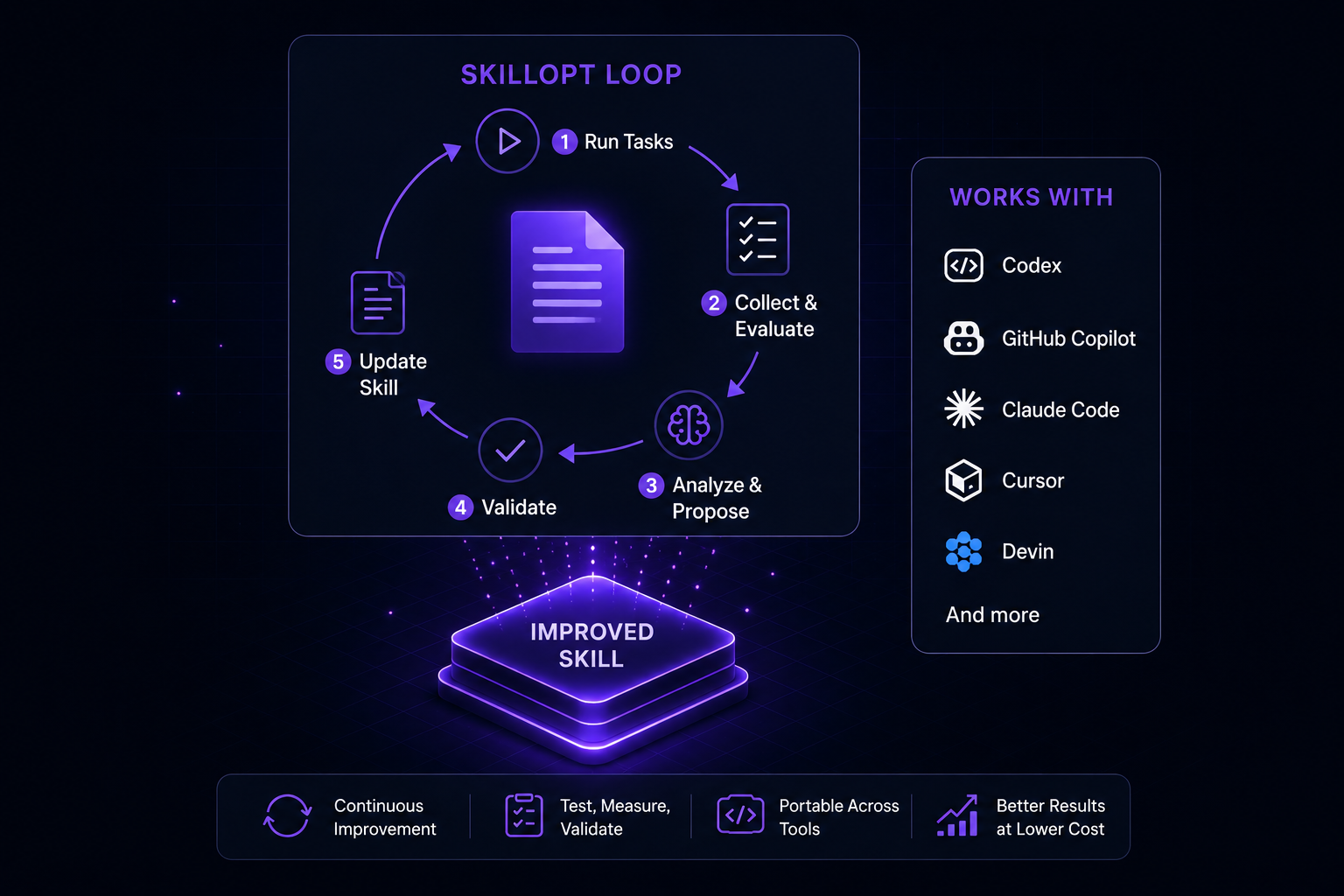
Microsoft’s SkillOpt shows how AI coding agents can improve through self-evolving skills without retraining the model or rebuilding the agent harness.

Ashton Kutcher is departing Sound Ventures, the firm he co-founded 11 years ago, to launch a new early-stage venture capital fund with former NFX partner Morgan Beller.

Anthropic has released Claude Sonnet 5 with a 1 million token context window while securing US Department of Commerce clearance to bring back its sidelined Fable 5 and Mythos 5 models.