This Humanoid Robot Is a Terrifyingly Competent Office Intern
Swiss startup Flexion Robotics has developed a simulation-first training method that allows humanoid robots to autonomously perform complex office chores.
technologyreview.comwired.com

NVIDIA launched NemoClaw on Tuesday at the COMPUTEX GTC Taipei event, introducing an open blueprint designed to help industrial software developers build secure, autonomous AI engineering agents. The release aims to automate complex, multi-step engineering workflows that historically required weeks of manual human intervention, shifting the focus of accelerated computing from raw simulation speed to end-to-end process automation.
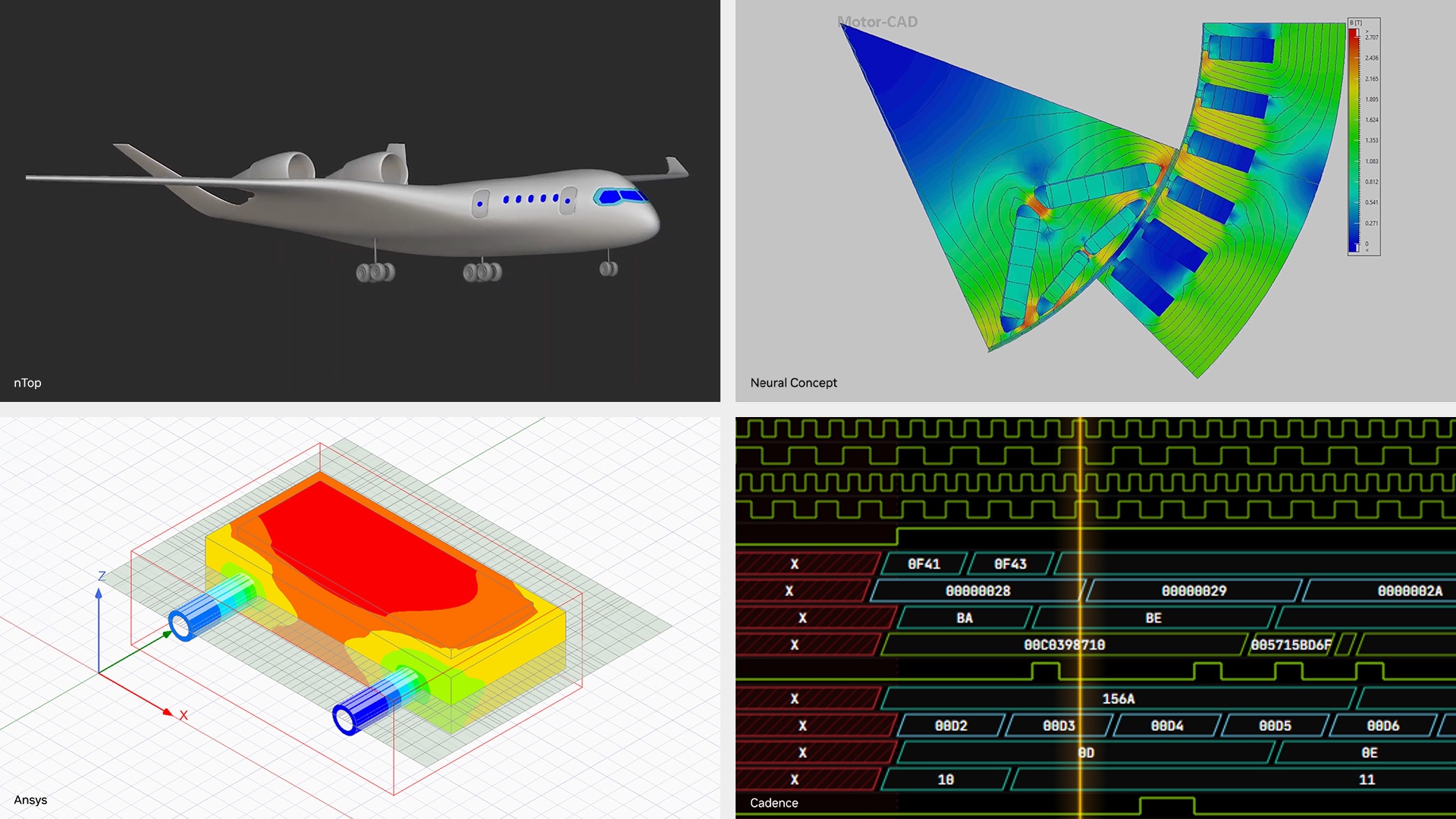
The initiative addresses the remaining bottlenecks in industrial engineering, including computer-aided design, meshing, simulation setup, debugging, and post-processing. By providing a secure runtime environment, NVIDIA seeks to reassure enterprises hesitant to deploy autonomous agents that interact directly with proprietary codebases and sensitive internal networks.
According to NVIDIA's official announcement, NemoClaw serves as an open blueprint for building specialized, long-running agents. The architecture includes a model router, NVIDIA NeMo customization libraries, and a choice of orchestration harnesses. This design allows developers to integrate NemoClaw with existing enterprise frameworks like OpenClaw and Hermes to coordinate agent tasks.
At the core of NemoClaw is NVIDIA OpenShell, an open-source runtime environment. OpenShell acts as a security gateway, strictly governing how each autonomous agent accesses local files, networks, and external tools. By enforcing strict security policies at the runtime level, the system prevents agents from executing unauthorized commands or exposing sensitive corporate data during long-running tasks.
More than a dozen engineering software providers demonstrated NemoClaw-based agents at COMPUTEX, showcasing automated workflows that span design and simulation. Developers can deploy these autonomous AI engineers across various environments. Supported platforms include NVIDIA DGX Spark personal AI supercomputers, traditional enterprise data centers, and major public cloud service providers.
The transition to autonomous agents represents a shift for industrial software. While accelerated computing previously compressed simulation times from weeks to hours, engineers still spent significant time setting up simulations and troubleshooting errors. NVIDIA claims that specialized agents can now manage these tedious setup and debugging phases autonomously.
The push toward autonomous software agents is driving massive infrastructure investments. The funding details include a $200 million Series F round for Coralogix, a software-monitoring startup now valued at $1.6 billion. The rapid fundraising highlights growing investor appetite for tools that can monitor, troubleshoot, and manage increasingly autonomous software systems.
As agents take on complex engineering and coding tasks, the risk of silent failures increases. Observability providers are racing to build monitoring layers specifically for AI agents. Without independent oversight, enterprises risk deploying autonomous systems that generate plausible but flawed engineering simulations or introduce security vulnerabilities into production codebases.
Despite the technical momentum, some industry observers question the ultimate value of the agent-driven productivity boom. AI Experts and critiques argue that while modern AI assistants are highly capable, the tech industry's hyper-focus on automation often misses the actual human bottlenecks in complex workflows.
The critique notes that as autonomous agents become more effective, they risk optimizing for sheer output volume rather than addressing systemic workflow inefficiencies. For industrial engineers, the flood of automated designs and simulations could shift the human burden from creation to exhaustive verification, potentially creating new bottlenecks in quality assurance.
Subscribe wiring is coming soon. For now, follow the daily news feed or connect on LinkedIn for updates.
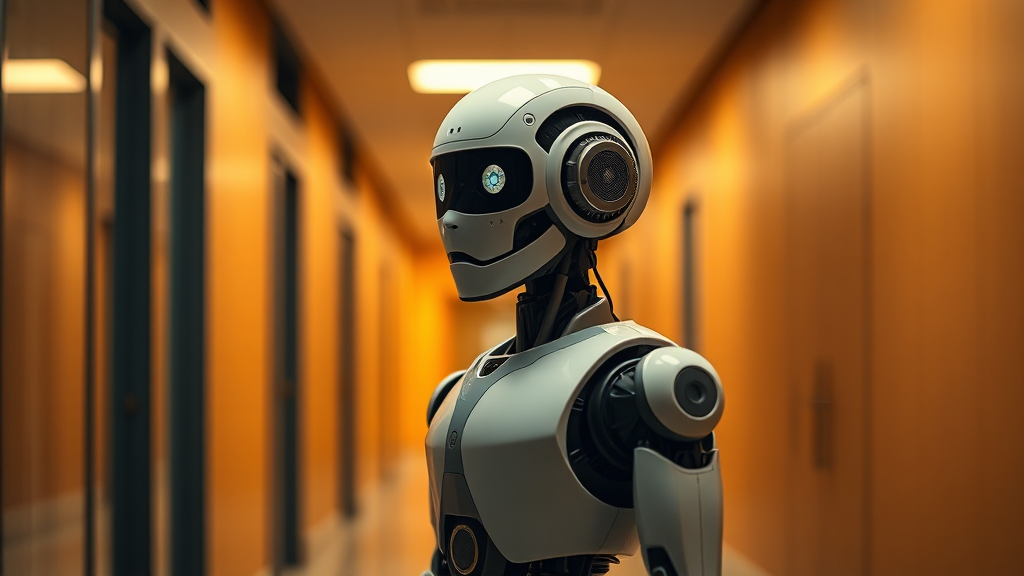
Swiss startup Flexion Robotics has developed a simulation-first training method that allows humanoid robots to autonomously perform complex office chores.

The arson trial of Jonathan Rinderknecht ended in a mistrial after prosecutors introduced his ChatGPT conversational history as evidence of intent, sparking pushback from jurors.

Apple's appeal against a London Court of Appeal ruling begins Monday at the UK Supreme Court, challenging a $502 million patent licensing requirement.