This Humanoid Robot Is a Terrifyingly Competent Office Intern
Swiss startup Flexion Robotics has developed a simulation-first training method that allows humanoid robots to autonomously perform complex office chores.
technologyreview.comwired.com
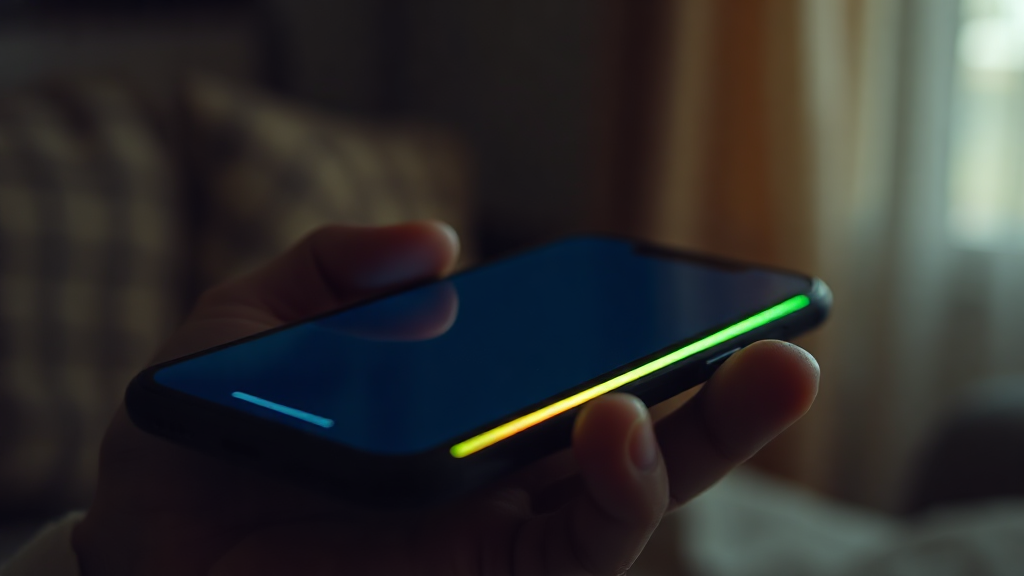
Apple is preparing to reintroduce its Siri virtual assistant with upgraded artificial intelligence capabilities at its Worldwide Developers Conference on Monday. The upcoming showcase marks Apple's second major attempt to brand Siri as a highly capable AI agent after its initial 2024 Apple Intelligence announcement failed to deliver key features.

The re-reintroduction follows a class-action lawsuit settlement, which forced Apple to compensate iPhone owners for misleading advertisements regarding Siri's capabilities. While rivals like Google have deployed advanced Gemini features that autonomously manage tasks, Apple's assistant has remained limited, leaving the company in a defensive posture in the consumer AI race.
Apple first attempted to revitalize Siri in 2024 with the launch of "Apple Intelligence." That update introduced a redesigned glowing border interface, new voice options, and a basic integration that allowed the assistant to pass complex queries to OpenAI's ChatGPT.
However, the core intelligence features promised during the 2024 launch did not ship as scheduled. There are reports that the highly anticipated deep-system integration was repeatedly delayed, leaving users with a cosmetic redesign rather than a functional upgrade.
The gap between Apple's marketing campaigns and the actual software delivery triggered significant consumer backlash. This discrepancy culminated in a class-action lawsuit accusing Apple of misleading consumers by promoting features that were unavailable at launch.
To resolve the litigation, Apple agreed to a settlement that requires the company to pay compensation to affected iPhone owners. According to analysts, the legal setback highlighted the risks of Apple's uncharacteristic rush to market with unfinished AI products.
While Apple struggled to deliver its basic AI features, competitors rapidly advanced their consumer-facing agents. Google's Gemini assistant has already demonstrated the ability to perform complex, multi-step tasks such as ordering food delivery and booking rides.
Gemini can also analyze user calendars to proactively suggest travel times and coordinate logistics. This level of proactive utility has widened the gap between Apple's ecosystem and its rivals, leaving Siri looking increasingly outdated.
Despite these setbacks, industry analysts suggest that Apple's late entry could still work to its advantage. By observing the deployment hurdles faced by Google and OpenAI, Apple has had the opportunity to refine its privacy-centric approach to on-device processing.
The upcoming WWDC presentation is expected to focus on concrete shipping dates for the long-delayed Siri upgrades and the company must now prove it can transition Siri from a basic voice interface into a reliable, proactive agent.
Subscribe wiring is coming soon. For now, follow the daily news feed or connect on LinkedIn for updates.
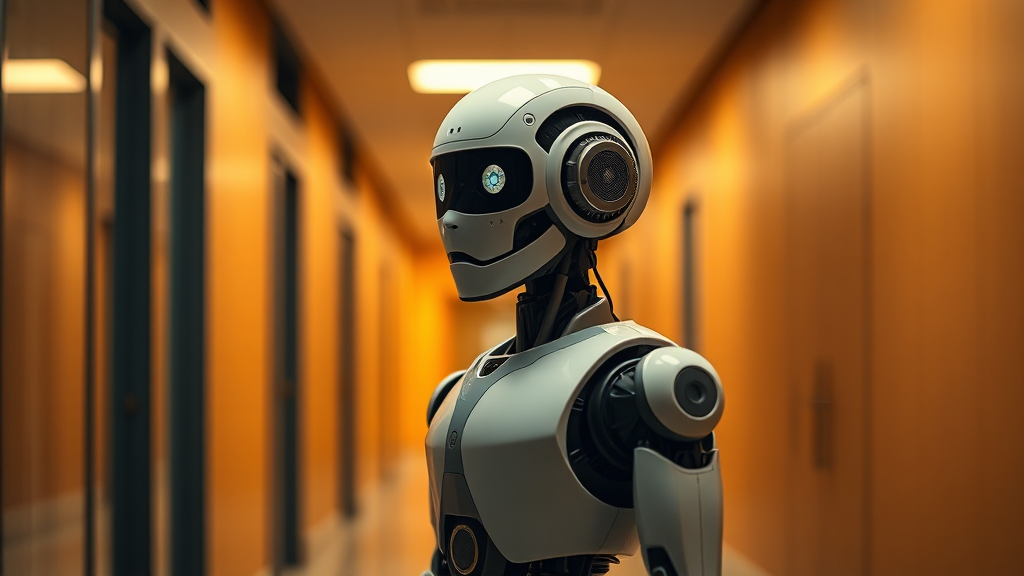
Swiss startup Flexion Robotics has developed a simulation-first training method that allows humanoid robots to autonomously perform complex office chores.

The arson trial of Jonathan Rinderknecht ended in a mistrial after prosecutors introduced his ChatGPT conversational history as evidence of intent, sparking pushback from jurors.

Apple's appeal against a London Court of Appeal ruling begins Monday at the UK Supreme Court, challenging a $502 million patent licensing requirement.