Improving Your AI Coding Agent Without switching the Model or touching the harness
Microsoft’s SkillOpt shows how AI coding agents can improve through self-evolving skills without retraining the model or rebuilding the agent harness.
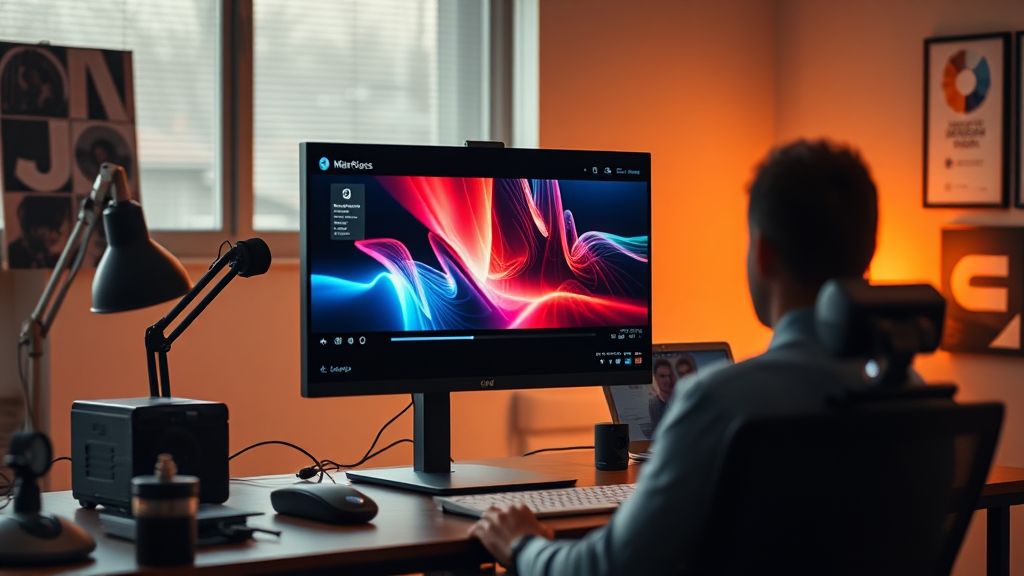
Google announced Gemini Omni on Tuesday at its Google I/O 2026 developer conference, introducing a new family of multimodal models designed to ingest and generate text, images, audio, and video natively. The rollout begins with Omni Flash, a model that reasons across multiple input formats simultaneously to generate and edit high-quality video outputs.

The release marks a shift from stitching separate model outputs together to using a single neural network that processes mixed inputs. Google plans to integrate these capabilities directly into its core products, including a major redesign of Google Search powered by the new Gemini 3.5 Flash model.
When Google launched the Gemini project three years ago, the company's stated goal was to build a single neural network trained on text, image, audio, and video. TechCrunch's analysis of the announcement notes that Gemini Omni represents a concrete step toward this unified architecture.
Instead of stitching separate models together, Gemini Omni processes all inputs natively. This allows the model to maintain context across different media types, producing high-quality videos that reflect an understanding of physics, culture, history, and science.
Beyond video generation, Gemini Omni allows users to edit photos using plain text commands, bypassing complex editing software. This capability mirrors Google's Nano Banana model but operates at a larger scale.
Google already has a dedicated video generation model called Veo, which turns text and images into video and customizes avatars. However, Google DeepMind director of product management Nicole Brichtova told TechCrunch that Gemini Omni is a broader architectural step forward.
"It’s the next step towards the progress," Brichtova said.
The underlying model advancements are also driving changes to Google's consumer products. The Verge's report on the search updates highlights a redesigned search box that lets users flow between AI Overviews and a conversational "AI Mode."
Powered by the new Gemini 3.5 Flash model, the updated search box expands for longer queries and features AI-powered autocomplete. Users can jump into AI Mode by attaching documents, photos, videos, and Chrome tabs directly to the search box.
The Verge's coverage of Google I/O notes that natural-language questions will reliably trigger AI Overviews. Robby Stein, Google’s vice president of product for Search, confirmed that follow-up questions in an AI Overview will redirect users to the conversational AI Mode.
Google's initial rollout of the Gemini Omni family focuses on three core capabilities:
These features represent Google's effort to consolidate its generative AI tools into a single, cohesive system. By integrating Gemini 3.5 Flash directly into Search, the company aims to make multimodal reasoning a standard part of daily web queries.
Subscribe wiring is coming soon. For now, follow the daily news feed or connect on LinkedIn for updates.
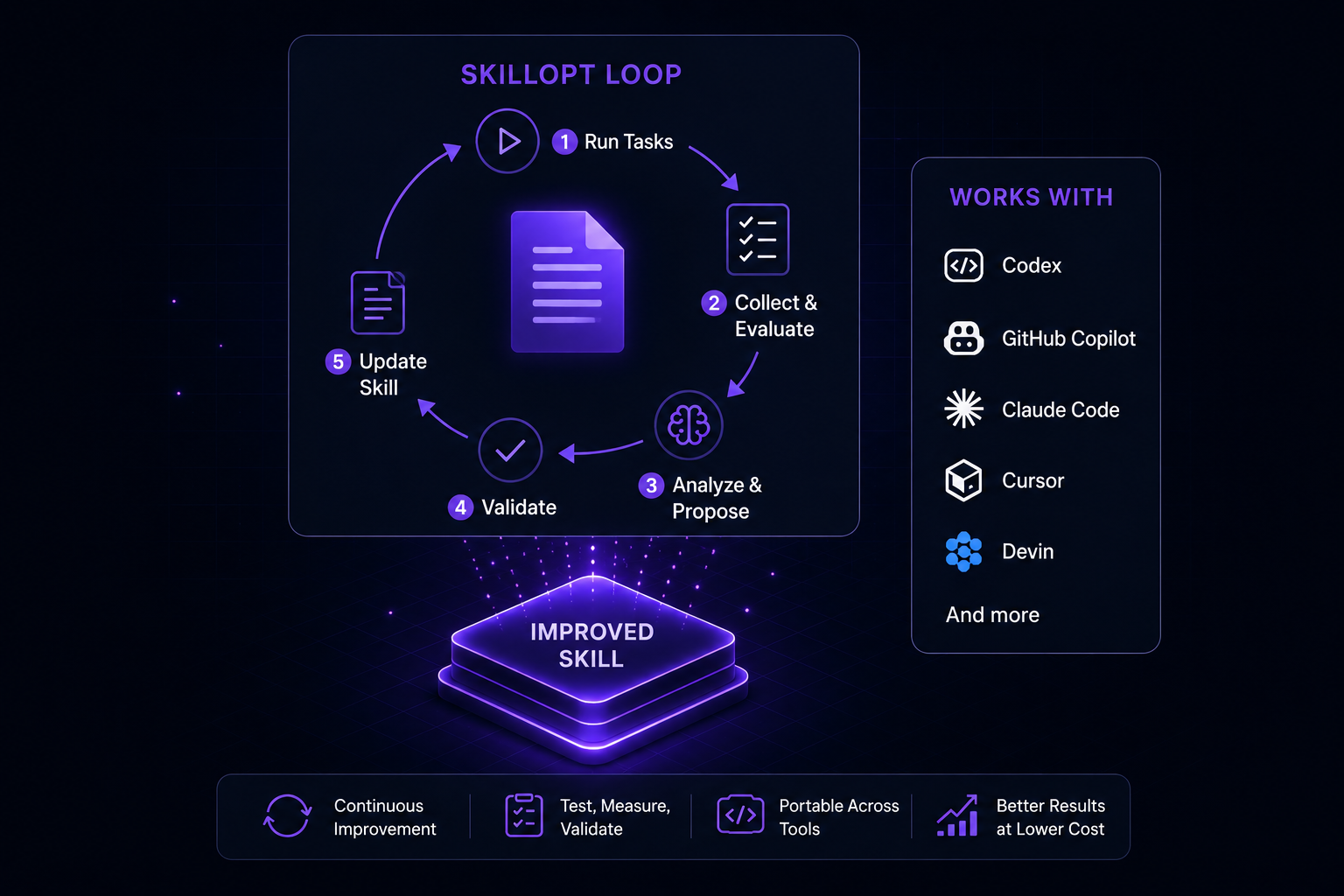
Microsoft’s SkillOpt shows how AI coding agents can improve through self-evolving skills without retraining the model or rebuilding the agent harness.

Ashton Kutcher is departing Sound Ventures, the firm he co-founded 11 years ago, to launch a new early-stage venture capital fund with former NFX partner Morgan Beller.

Anthropic has released Claude Sonnet 5 with a 1 million token context window while securing US Department of Commerce clearance to bring back its sidelined Fable 5 and Mythos 5 models.