Improving Your AI Coding Agent Without switching the Model or touching the harness
Microsoft’s SkillOpt shows how AI coding agents can improve through self-evolving skills without retraining the model or rebuilding the agent harness.

Cybersecurity startup Ocean emerged from stealth mode on Tuesday with $28 million in total funding to launch an agentic email security platform designed to combat AI-powered phishing attacks. Founded by former Iron Dome researcher Shay Shwartz, the company aims to analyze the deep context of incoming emails to stop sophisticated impersonation attempts that bypass traditional security filters.
The funding round was led by Lightspeed Venture Partners, with participation from Picture Capital and Cerca Partners. High-profile angel investors, including Wiz co-founder and CEO Assaf Rappaport and Armis co-founders Yevgeny Dibrov and Nadir Izrael, also backed the venture. Ocean enters a crowded market currently dominated by legacy email security providers and rapidly growing AI-native competitors.
Founder Shay Shwartz has a non-traditional path into the cybersecurity industry. Shwartz earned money as a hacker during his teenage years. After being caught by authorities at age 16, he shifted his focus toward defensive security, realizing his skills could prevent digital attacks.
Shwartz subsequently spent nearly a decade working in top-tier cybersecurity roles within Israel's elite defense and intelligence units. His tenure included engineering work connected to the Iron Dome defense project. He later joined Axis Security, a startup that Hewlett Packard Enterprise eventually acquired, before leaving to build his own company.
Ocean spent two years in development before announcing its public launch. The startup's $28 million funding round drew significant attention from prominent figures in the Israeli cybersecurity ecosystem.
Among the angel investors are Wiz chief executive Assaf Rappaport, alongside Armis co-founders Yevgeny Dibrov and Nadir Izrael. Armis recently agreed to an acquisition by ServiceNow for $7.75 billion. The participation of these founders underscores the venture capital interest in novel approaches to email security as defensive technologies struggle to keep pace with generative AI.
Ocean designed its platform to address the growing sophistication of social engineering. Attackers increasingly use generative AI to draft highly personalized, error-free phishing emails that easily trick human targets. Traditional security filters often fail to flag these messages because they lack the obvious spelling errors or malicious links of older phishing campaigns.
To counter this, Ocean uses an agentic AI architecture to analyze the context of every incoming email. The platform evaluates the relationship between the sender and recipient, historical communication patterns, and the specific language used in the message. This deep contextual analysis helps identify subtle anomalies that indicate fraud or executive impersonation.
The email security market is highly competitive, with established enterprise vendors defending their market share. Ocean must compete against legacy giants like Proofpoint and Mimecast. These older platforms rely heavily on threat intelligence databases and static rules to block known malicious infrastructure.
Ocean also faces competition from newer, cloud-native email security firms such as Abnormal Security, which already use machine learning to detect behavioral anomalies. Ocean hopes its agentic approach, which simulates how a human security analyst evaluates email context, will provide a higher detection rate for novel, AI-generated social engineering tactics.
Subscribe wiring is coming soon. For now, follow the daily news feed or connect on LinkedIn for updates.
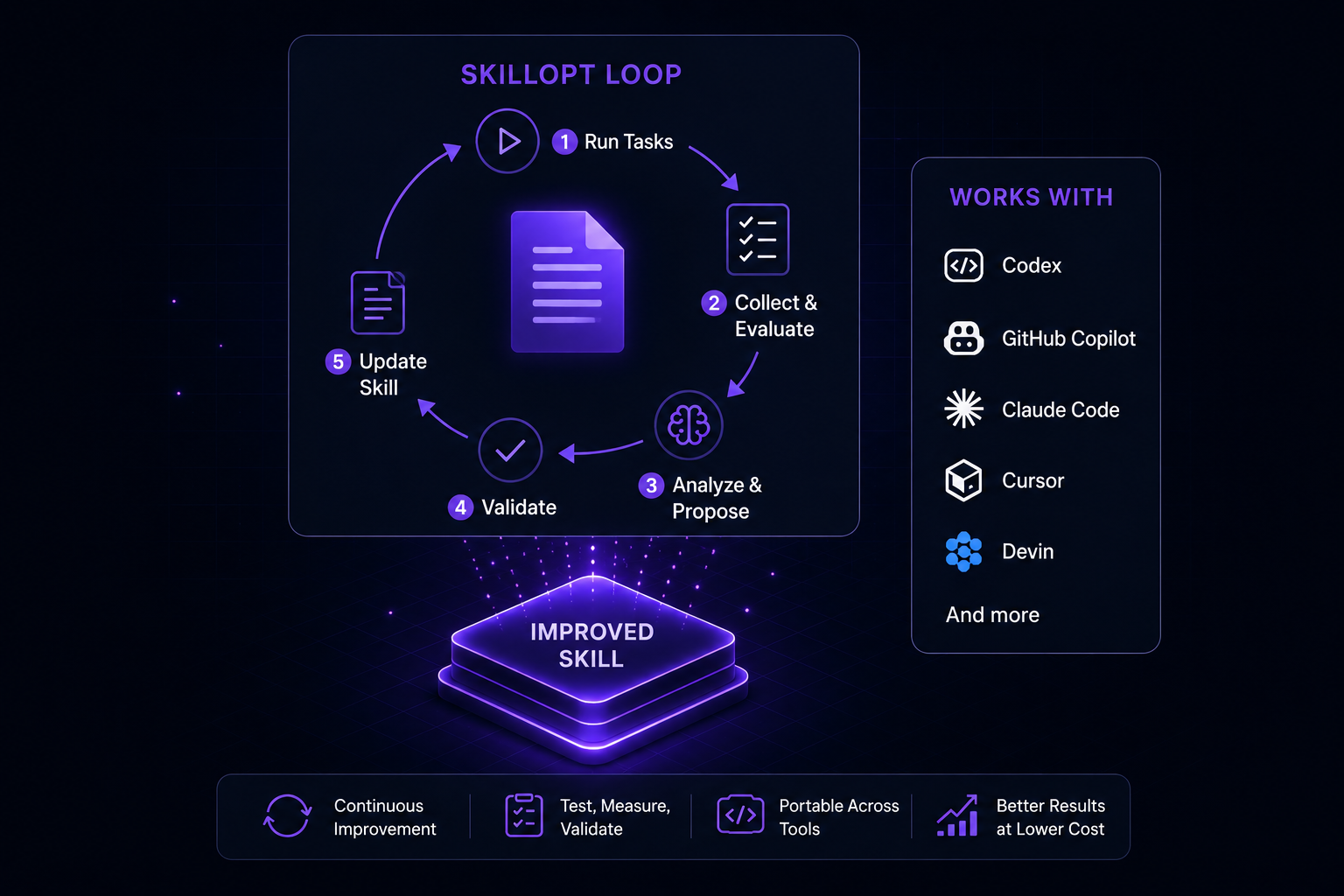
Microsoft’s SkillOpt shows how AI coding agents can improve through self-evolving skills without retraining the model or rebuilding the agent harness.

Ashton Kutcher is departing Sound Ventures, the firm he co-founded 11 years ago, to launch a new early-stage venture capital fund with former NFX partner Morgan Beller.

Anthropic has released Claude Sonnet 5 with a 1 million token context window while securing US Department of Commerce clearance to bring back its sidelined Fable 5 and Mythos 5 models.