Improving Your AI Coding Agent Without switching the Model or touching the harness
Microsoft’s SkillOpt shows how AI coding agents can improve through self-evolving skills without retraining the model or rebuilding the agent harness.
Federal authorities in New York have arrested a 51-year-old man for allegedly publishing hundreds of non-consensual AI-generated pornographic albums, identifying him after he used his own photograph on his profile page.
Cornelius "Neil" Shannon faces up to two years in prison for allegedly distributing deepfake images of approximately 90 women, including prominent political figures, actresses, and musicians. According to court documents, the FBI easily linked Shannon to the illicit accounts by cross-referencing his profile picture with state motor vehicle records.
According to an FBI affidavit filed by Special Agent Powell, investigators easily traced the online persona back to Shannon due to a basic operational security error. Shannon allegedly used a real photograph of himself as the profile picture for the account used to distribute the explicit material.
In the profile photo, the suspect was seen wearing a New York Mets baseball shirt. FBI agents cross-referenced this image with New York Department of Motor Vehicle records and local surveillance photographs. The physical match allowed investigators to quickly confirm Shannon's identity and secure an arrest warrant.
While other suspects in similar investigations took extensive measures to conceal their digital footprints, Shannon's lack of basic anonymity made the tracking process unusually straightforward for federal law enforcement.
Court documents outline a massive distribution network operated by Shannon. Prosecutors allege that he published approximately 360 AI-generated albums containing explicit deepfakes. These albums accumulated more than 2 million views before federal authorities intervened.
The victims targeted in the campaign included approximately 90 women. The majority of these victims were public figures, including actresses, musicians, and political figures. Investigators allege the images were created using commercial AI tools designed to generate explicit content without the consent of the subjects.
A second suspect, identified as Hernandez, was also arrested in connection with the wider investigation. While court documents suggest Hernandez took more precautions to hide his identity online, both men now face similar federal charges for their roles in the operation.
Both Shannon and Hernandez face up to two years in federal prison if convicted. Prosecutors have charged the men with violating the Take It Down Act (TIDA), a federal statute aimed at curbing the spread of non-consensual synthetic pornography.
In a press statement, Joseph Nocella, Jr., the United States Attorney for the Eastern District of New York, condemned the defendants' actions. Nocella accused the suspects of using digital tools to harm victims.
"create images that degraded and violated victims across the United States," Nocella stated.
Official James C. Barnacle also confirmed that federal agencies are actively prioritizing cases involving non-consensual synthetic media. Barnacle indicated that the FBI is expanding its resources to track down operators of similar deepfake distribution networks.
The arrests coincide with an escalating federal crackdown on the creators and distributors of non-consensual AI pornography. The Federal Trade Commission (FTC) recently issued formal warnings to 12 prominent "nudify" toolmakers, signaling a coordinated effort across multiple federal agencies to target the software pipeline.
Federal officials appear increasingly motivated to enforce existing digital abuse laws and track explicit images posted online. Law enforcement agencies are warning the public that even sophisticated digital distribution networks leave traceable footprints that investigators can exploit.
Subscribe wiring is coming soon. For now, follow the daily news feed or connect on LinkedIn for updates.
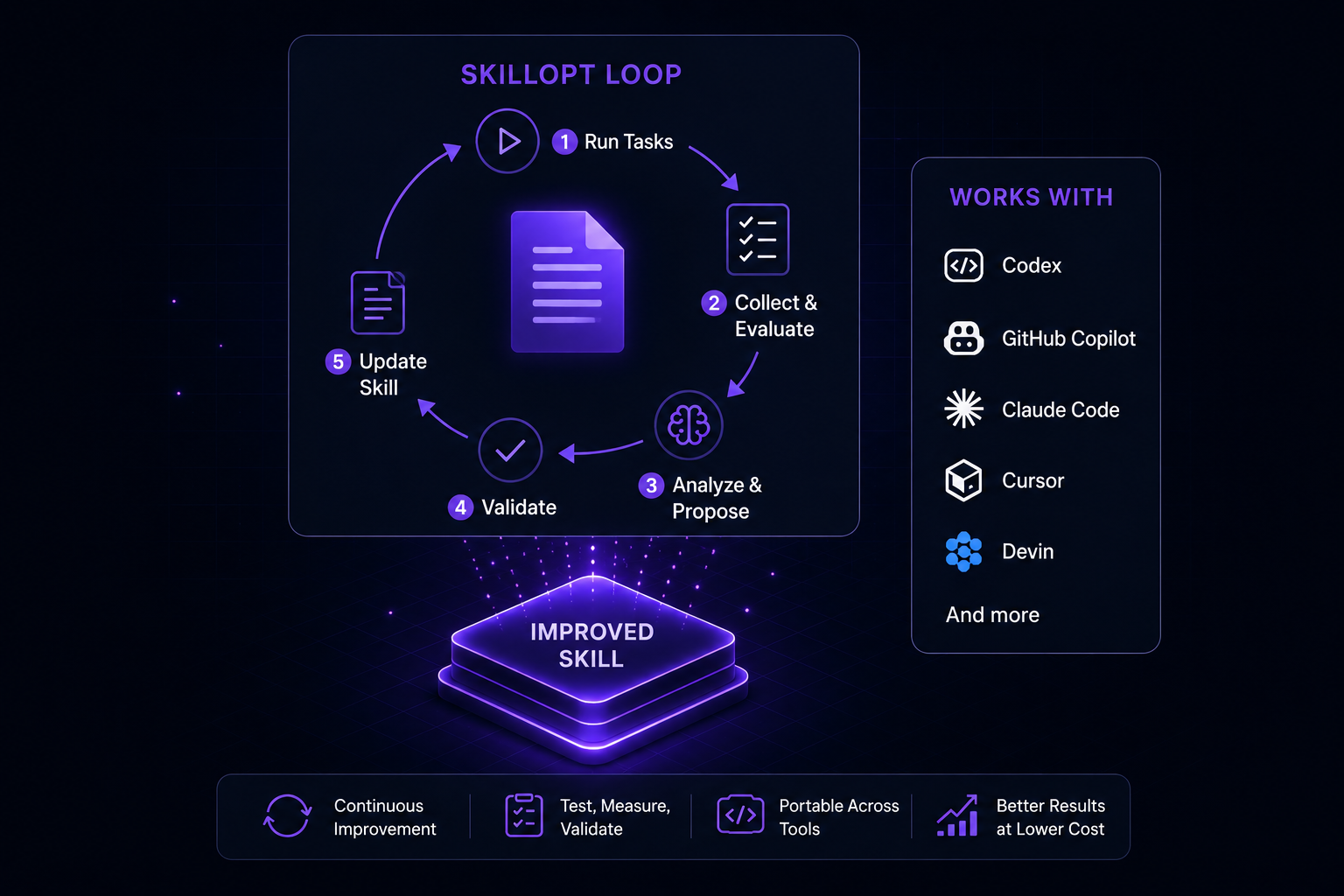
Microsoft’s SkillOpt shows how AI coding agents can improve through self-evolving skills without retraining the model or rebuilding the agent harness.

Ashton Kutcher is departing Sound Ventures, the firm he co-founded 11 years ago, to launch a new early-stage venture capital fund with former NFX partner Morgan Beller.

Anthropic has released Claude Sonnet 5 with a 1 million token context window while securing US Department of Commerce clearance to bring back its sidelined Fable 5 and Mythos 5 models.