Improving Your AI Coding Agent Without switching the Model or touching the harness
Microsoft’s SkillOpt shows how AI coding agents can improve through self-evolving skills without retraining the model or rebuilding the agent harness.
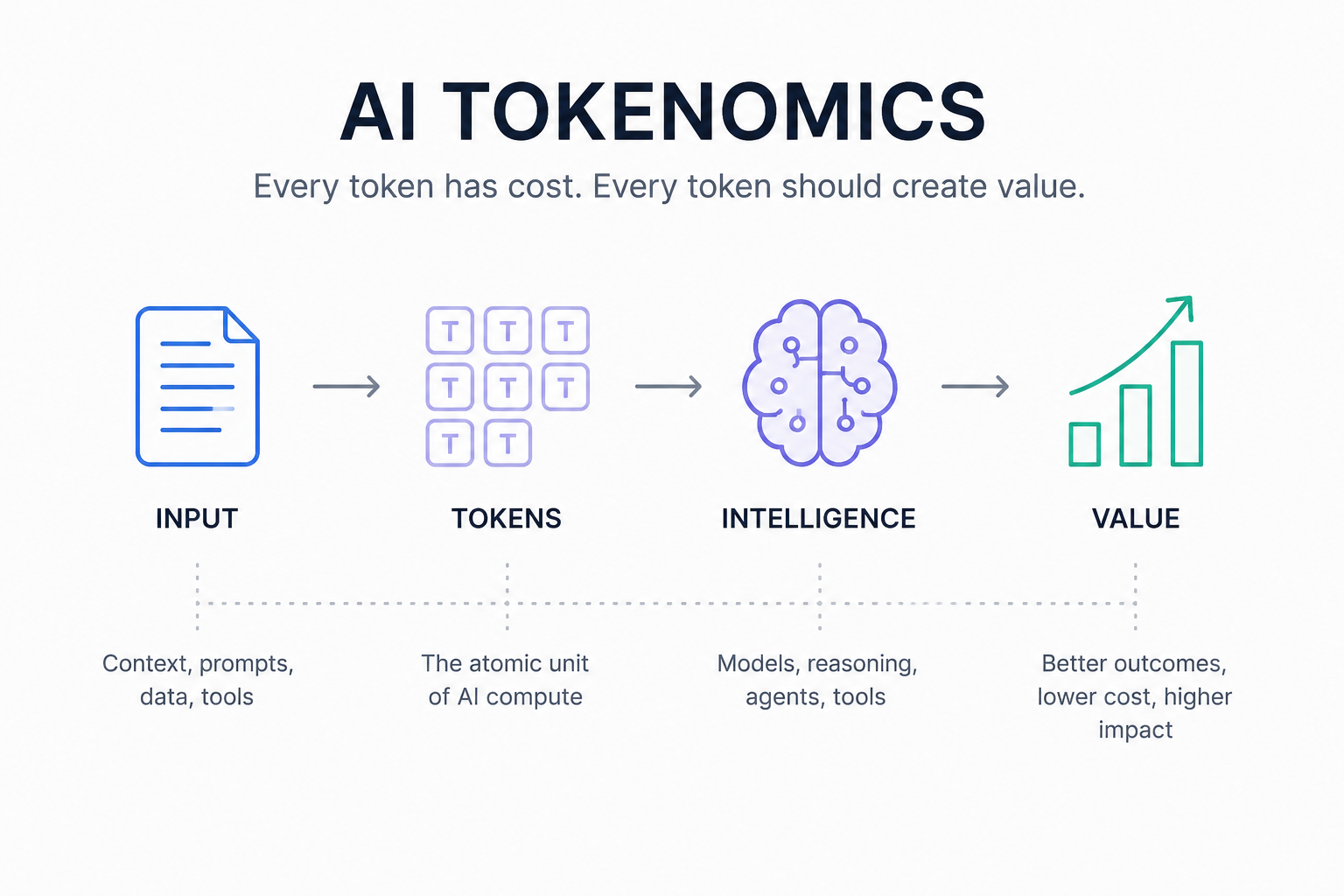
In 2025, token usage became a badge of honor.
Inside many technology companies, the message was simple: use AI more. Use better models. Use agents. Use coding assistants. Push the limits.
If token usage went up, it was treated as a sign that people were adopting AI and becoming more productive.
Some companies even turned it into a competition. Internal dashboards ranked employees by AI usage. Heavy users were celebrated. Teams wanted to show they were embracing the new way of working.
The phrase “tokenmaxxing” captured that culture well.
More tokens meant more AI. More AI meant more productivity.
At least that was the assumption.
That assumption is now being tested.
Over the last few months, the conversation has changed fast. The early question was, “Can AI help us move faster?” Now the question is, “Why is the AI bill growing this fast, and what are we actually getting for it?”
That shift matters because enterprise AI has crossed an important line.
We are no longer experimenting with a few chat prompts. We are deploying agents that read repositories, search documents, call tools, write code, run tests, retry failures, summarize results, and keep looping until they reach an answer.
That is powerful. It is also expensive.
The cost problem is not just that frontier models are expensive. It is that agentic workflows multiply consumption.
A normal chat interaction may involve one prompt and one response. An agentic coding task may involve dozens of calls. Each call may include system instructions, repository context, conversation history, tool definitions, search results, logs, test output, and previous attempts.
The user sees one task.
The system sees a long chain of token-consuming steps.
This is why AI budgets that looked reasonable on paper started breaking in practice.
For a while, companies did not care that much. That was understandable. In the early adoption phase, the goal was learning. Leaders wanted teams to use AI aggressively because nobody wanted to be left behind.
If developers could ship faster, if support teams could respond quicker, if product teams could prototype more ideas, the spend looked easy to justify.
The problem is that consumption became the metric.
That is where tokenmaxxing went wrong.
A developer spending more tokens may be doing valuable deep work. Or they may be stuck in a bad loop. An agent burning through context may be solving a complex production issue. Or it may be rereading the same files, retrying weak plans, and generating output that gets rewritten anyway.
Without observability, both look the same on the bill.
This is the uncomfortable truth:
High token usage is not the same as high productivity.
Recent research on agentic coding makes this clear. Agentic coding tasks can consume dramatically more tokens than simple code chat. Token usage can vary wildly across runs of the same task. Most importantly, higher token usage does not always produce better results. In some cases, accuracy peaks at moderate spend and then flattens or declines.
That should make every engineering leader pause.
If more tokens do not automatically mean better outcomes, then the next phase of enterprise AI cannot be about maximizing usage. It has to be about understanding value.
Not crypto tokenomics. AI tokenomics.
In crypto, tokenomics usually means supply, allocation, vesting, incentives, and value capture.
In AI, tokenomics means understanding how tokens become intelligence, how that intelligence becomes work, and how that work becomes business value.
A token is not just a billing unit. It is a small unit of computation. It carries context, reasoning, memory, instruction, and output. It also carries latency and cost.
That means every enterprise AI system has to answer a simple question:
Was this token worth spending?
That sounds simple, but it is not.
Not all tokens are equal.
A token used by a small model to classify a support ticket is different from a token used by a frontier reasoning model to debug a distributed systems issue. A token that arrives quickly enough to keep a user in flow is different from a token that arrives too late to be useful. A token that contributes to a correct answer is different from a token generated during a failed retry.
This is why raw token counting is not enough.
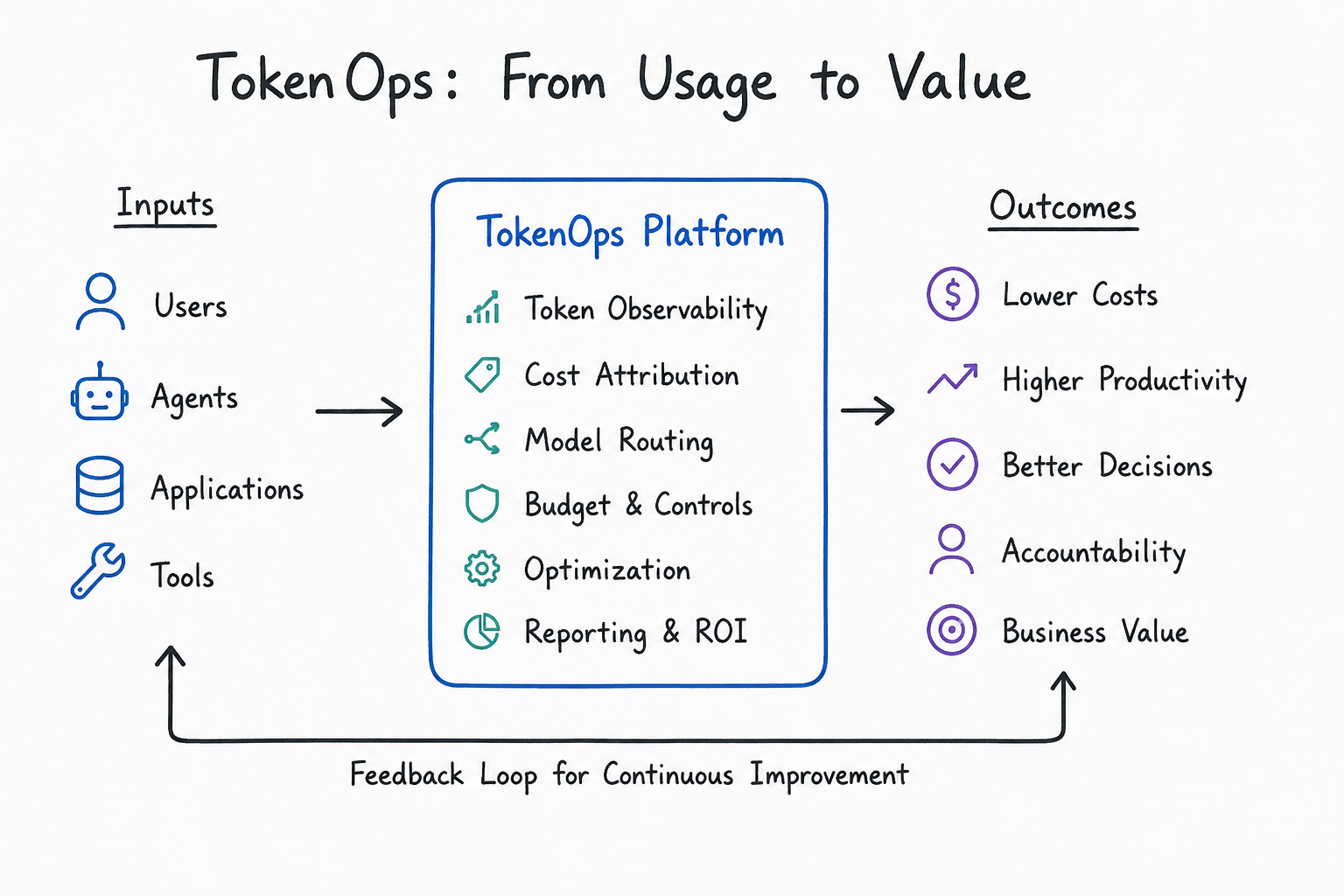
Enterprises need token observability. They need to know where tokens are going, which workflows consume them, which models are responsible, which agents are efficient, and which parts of the system are wasting context.
They need token attribution. If a product feature uses AI, who owns that spend? Engineering? Product? A business unit? A customer account? Without attribution, AI spend becomes another shared platform cost that everyone uses and nobody owns.
They need token budgets. Not blunt caps that stop useful work, but intelligent budgets by workflow, task type, customer tier, and expected value.
They need model routing. Not every request needs the biggest model. Some tasks need speed. Some need reasoning. Some need long context. Some need cheap classification.
They need context discipline. Long context is useful, but it is also where a lot of waste hides. Agents should not blindly stuff everything into the prompt. They should retrieve selectively, compress intelligently, cache repeated context, and drop stale information.
They need stopping rules. One of the biggest risks with agents is that they can keep going. More search. More retries. More tool calls. More self-reflection. More tokens. At some point, the system needs to know when the next step is no longer worth the cost.
And finally, they need ROI measurement.
It is easy to measure tokens consumed. It is harder to measure value created.
Did the agent reduce cycle time? Did it improve code quality? Did it reduce support escalations? Did it increase customer conversion? Did it help ship something that mattered?
Until companies connect token spend to outcomes, they will keep having the same argument: engineering says AI makes teams faster, finance says the bill is out of control, and leadership cannot tell which side is right.
The answer is not to stop using AI.
That would be the wrong lesson.
The answer is to move from AI adoption to AI operations.
Cloud went through the same maturity curve. In the early cloud days, teams moved fast and swiped the credit card. Later, the bills got big. Then FinOps became necessary. Companies learned to tag resources, attribute spend, right-size workloads, forecast usage, and connect cloud cost to business value.
AI is now entering that same phase, but the problem is harder.
Cloud resources are mostly deterministic. Tokens are not. Agent paths are stochastic. The same task can take different routes, call different tools, consume different context, and produce different costs.
This is why enterprise AI platforms need a tokenomics layer.
Not just a dashboard.
A real control layer that sits between users, agents, models, tools, and business systems.
That layer should provide:
This will become even more important as frontier models get more powerful.
Better models unlock better agents. Better agents take on bigger tasks. Bigger tasks consume more tokens. Even if the price per token falls, total spend can still rise because usage expands faster than efficiency improves.
That is the trap many companies are now discovering.
A cheaper token does not always mean a cheaper AI program.
If the system encourages every workflow to use more context, more reasoning, more agents, and more retries, total cost will keep growing.
The enterprise question is no longer, “How much does a token cost?”
The better question is, “How much value did this token create?”
That is the heart of AI tokenomics.
In 2025, tokenmaxxing made sense as a cultural push. It got people experimenting. It made AI usage visible. It helped teams break old habits.
But in 2026, tokenmaxxing without measurement is a liability.
The next chapter is not about using less AI.
It is about using AI with more discipline.
Spend tokens where they create value. Cut tokens where they only create noise. Route work to the right model. Give agents budgets. Measure outcomes, not consumption.
Cloud needed FinOps.
Enterprise AI now needs TokenOps.
Subscribe wiring is coming soon. For now, follow the daily news feed or connect on LinkedIn for updates.
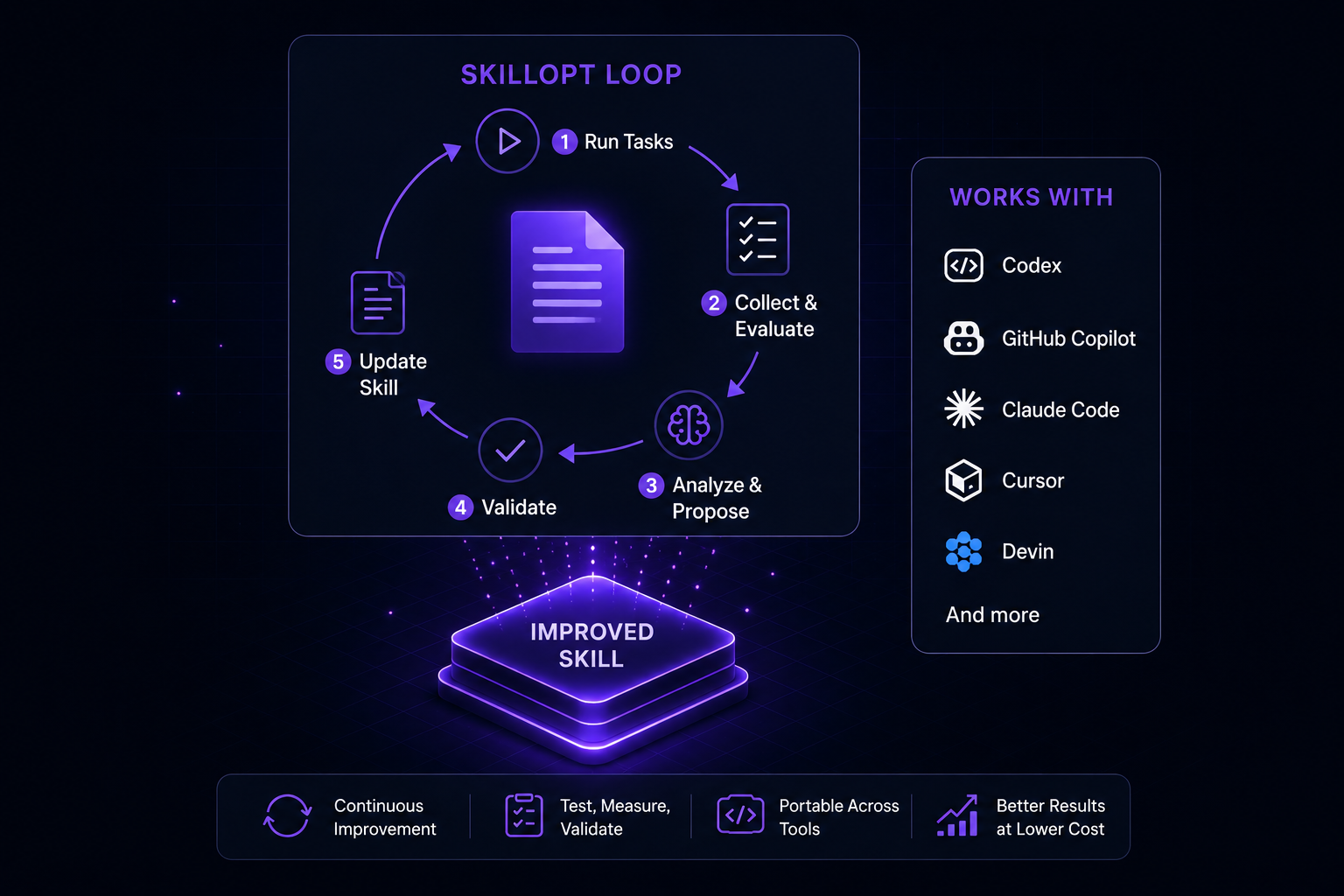
Microsoft’s SkillOpt shows how AI coding agents can improve through self-evolving skills without retraining the model or rebuilding the agent harness.

Ashton Kutcher is departing Sound Ventures, the firm he co-founded 11 years ago, to launch a new early-stage venture capital fund with former NFX partner Morgan Beller.

Anthropic has released Claude Sonnet 5 with a 1 million token context window while securing US Department of Commerce clearance to bring back its sidelined Fable 5 and Mythos 5 models.