Improving Your AI Coding Agent Without switching the Model or touching the harness
Microsoft’s SkillOpt shows how AI coding agents can improve through self-evolving skills without retraining the model or rebuilding the agent harness.

Microsoft introduced major pricing changes for GitHub Copilot on June 7, 2026, sparking developer backlash and raising concerns that the era of cheap, subsidized artificial intelligence tokens is coming to an end.
The pricing adjustments, which prompted one developer on Reddit to coin the term "Tokenpocalypse," arrive as major AI labs like OpenAI and Anthropic prepare for initial public offerings. To satisfy public market investors, these venture-backed startups are shifting away from high-volume, subsidized token consumption toward margin-focused business models and strict usage caps.
TechCrunch's report on the pricing changes notes that software teams have spent months operating under the assumption that token costs would continue to fall exponentially. Instead, the sudden introduction of usage restrictions and higher pricing tiers has forced companies to audit their automated pipelines.
TechCrunch editor Kirsten Korosec noted during a recent podcast discussion that the industry's obsession with "tokenmaxxxing" has quickly soured as the real bills for these massive context windows fall due.
Several factors are driving this industry-wide shift:
The financial pressure is directly influencing the corporate strategies of the largest players in the space and OpenAI is planning a comprehensive "superapp" overhaul of ChatGPT.
The move is designed to bundle more proprietary services and lock in high-margin subscriptions before the company pursues a public listing. This transition requires a fundamental shift in metrics, forcing executives to prioritize average revenue per user over raw user growth.
This pivot to profitability is creating a disconnect between what AI labs must charge to survive and what enterprise budgets can actually tolerate. During TechCrunch's Equity podcast, Sean O'Kane highlighted this tension, questioning the long-term viability of current pricing models.
"Can these AI labs collapse that cost [and] progress the tech enough in a way that it eventually meets in the middle with customers’ appetite for spending?" O’Kane asked.
Korosec pointed out that the financial risks associated with volatile token pricing and infrastructure costs are evolving so quickly that drafting accurate risk disclosures for IPO filings has become an unprecedented challenge for corporate lawyers.
In response to rising costs, developers are changing how they build AI-powered software. Simon Willison's release of datasette-agent-edit 0.1a0 on June 7, 2026, highlights how developers are building highly targeted tools—such as precise string replacement instead of re-sending entire files—to keep API usage efficient.
By implementing strict, localized edits rather than re-processing entire codebases, developers hope to bypass the worst effects of the pricing squeeze.
Subscribe wiring is coming soon. For now, follow the daily news feed or connect on LinkedIn for updates.
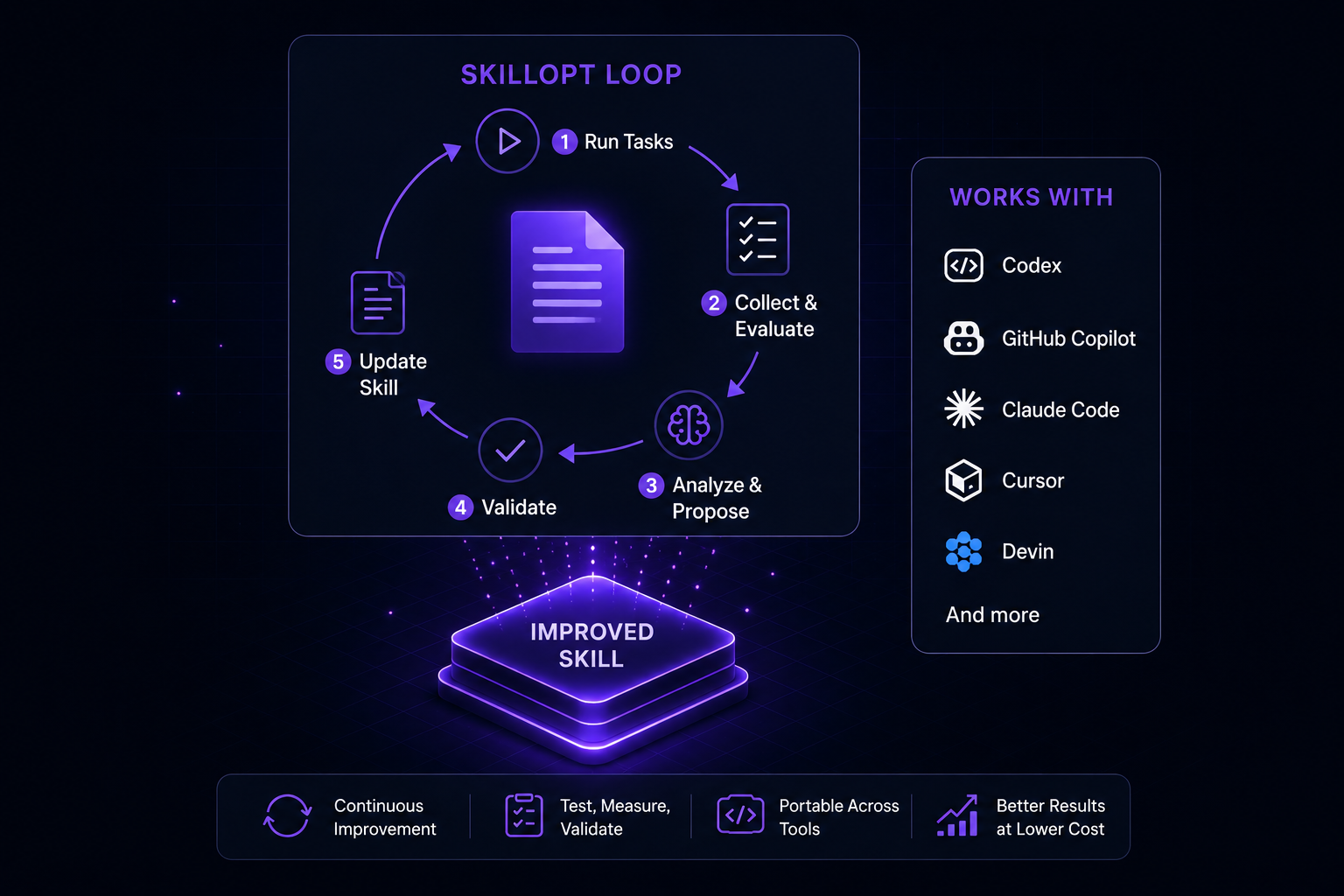
Microsoft’s SkillOpt shows how AI coding agents can improve through self-evolving skills without retraining the model or rebuilding the agent harness.

Ashton Kutcher is departing Sound Ventures, the firm he co-founded 11 years ago, to launch a new early-stage venture capital fund with former NFX partner Morgan Beller.

Anthropic has released Claude Sonnet 5 with a 1 million token context window while securing US Department of Commerce clearance to bring back its sidelined Fable 5 and Mythos 5 models.