Improving Your AI Coding Agent Without switching the Model or touching the harness
Microsoft’s SkillOpt shows how AI coding agents can improve through self-evolving skills without retraining the model or rebuilding the agent harness.
%22%3E%0A%20%20%20%20%20%20%3Cstop%20offset%3D%220%25%22%20stop-color%3D%22%237c3aed%22%2F%3E%0A%20%20%20%20%20%20%3Cstop%20offset%3D%22100%25%22%20stop-color%3D%22%231e1b4b%22%2F%3E%0A%20%20%20%20%3C%2FlinearGradient%3E%0A%20%20%20%20%3CradialGradient%20id%3D%22halo%22%20cx%3D%220.386%22%20cy%3D%220.178%22%20r%3D%220.55%22%3E%0A%20%20%20%20%20%20%3Cstop%20offset%3D%220%25%22%20stop-color%3D%22rgba(255%2C255%2C255%2C0.32)%22%2F%3E%0A%20%20%20%20%20%20%3Cstop%20offset%3D%2260%25%22%20stop-color%3D%22rgba(255%2C255%2C255%2C0)%22%2F%3E%0A%20%20%20%20%3C%2FradialGradient%3E%0A%20%20%3C%2Fdefs%3E%0A%20%20%3Crect%20width%3D%22800%22%20height%3D%22500%22%20fill%3D%22url(%23g)%22%2F%3E%0A%20%20%3Crect%20width%3D%22800%22%20height%3D%22500%22%20fill%3D%22url(%23halo)%22%2F%3E%0A%20%20%3Cg%20fill%3D%22rgba(255%2C255%2C255%2C0.12)%22%20stroke%3D%22rgba(255%2C255%2C255%2C0.18)%22%20stroke-width%3D%221%22%3E%0A%20%20%20%20%3Ccircle%20cx%3D%22309%22%20cy%3D%2289%22%20r%3D%2279%22%2F%3E%0A%20%20%20%20%3Ccircle%20cx%3D%22491%22%20cy%3D%22411%22%20r%3D%2239%22%2F%3E%0A%20%20%3C%2Fg%3E%0A%20%20%3Ctext%20x%3D%2250%25%22%20y%3D%2252%25%22%20text-anchor%3D%22middle%22%20dominant-baseline%3D%22middle%22%0A%20%20%20%20%20%20%20%20font-family%3D%22Inter%2C%20system-ui%2C%20sans-serif%22%20font-weight%3D%22800%22%0A%20%20%20%20%20%20%20%20font-size%3D%22170%22%20fill%3D%22rgba(255%2C255%2C255%2C0.92)%22%20letter-spacing%3D%22-6%22%3ECI%3C%2Ftext%3E%0A%20%20%3Ctext%20x%3D%2250%25%22%20y%3D%2278%25%22%20text-anchor%3D%22middle%22%0A%20%20%20%20%20%20%20%20font-family%3D%22Inter%2C%20system-ui%2C%20sans-serif%22%20font-weight%3D%22700%22%0A%20%20%20%20%20%20%20%20font-size%3D%2222%22%20letter-spacing%3D%226%22%0A%20%20%20%20%20%20%20%20fill%3D%22rgba(255%2C255%2C255%2C0.78)%22%3EAI%3C%2Ftext%3E%0A%3C%2Fsvg%3E)
OpenAI is rolling out Workspace Agents within ChatGPT, designed to automate complex workflows for teams. These agents are powered by OpenAI's Codex models and operate in the cloud, aiming to enhance operational efficiency and secure cross-tool collaboration.
Workspace Agents represent an advancement in how AI assists with organizational tasks. They are built on the Codex architecture, known for its code generation capabilities, enabling them to interpret and execute multi-step processes. The agents are cloud-native, ensuring accessibility and scalability for various team sizes and operational demands. Their core function is to automate intricate workflows, spanning multiple applications and services.
This development aligns with OpenAI's broader strategy of creating specialized AI tools. For instance, OpenAI has previously discussed developing custom versions of ChatGPT tailored for specific domains, such as healthcare, to perform targeted tasks and integrate with existing systems. Workspace Agents extend this concept to general business operations, focusing on workflow automation.
The introduction of Workspace Agents addresses a key challenge for modern teams: managing and scaling work across a diverse set of digital tools. By automating complex, multi-application workflows, these agents can reduce manual effort and potential for error. Their cloud-based operation provides flexibility, allowing teams to deploy and manage automation without extensive local infrastructure. Security is a stated priority, ensuring that sensitive data and processes are handled with appropriate safeguards during automation.
For organizations, this means a potential increase in productivity and a more streamlined approach to routine but complex tasks. The ability of these agents to integrate across various platforms suggests a move towards more interconnected and intelligent enterprise environments.
Future developments will likely focus on the breadth of tools Workspace Agents can integrate with and the complexity of workflows they can manage. Adoption rates across different industries will indicate their practical utility and impact on team productivity. Organizations will be evaluating their ability to securely handle proprietary data and comply with industry-specific regulations while automating critical processes.
Subscribe wiring is coming soon. For now, follow the daily news feed or connect on LinkedIn for updates.
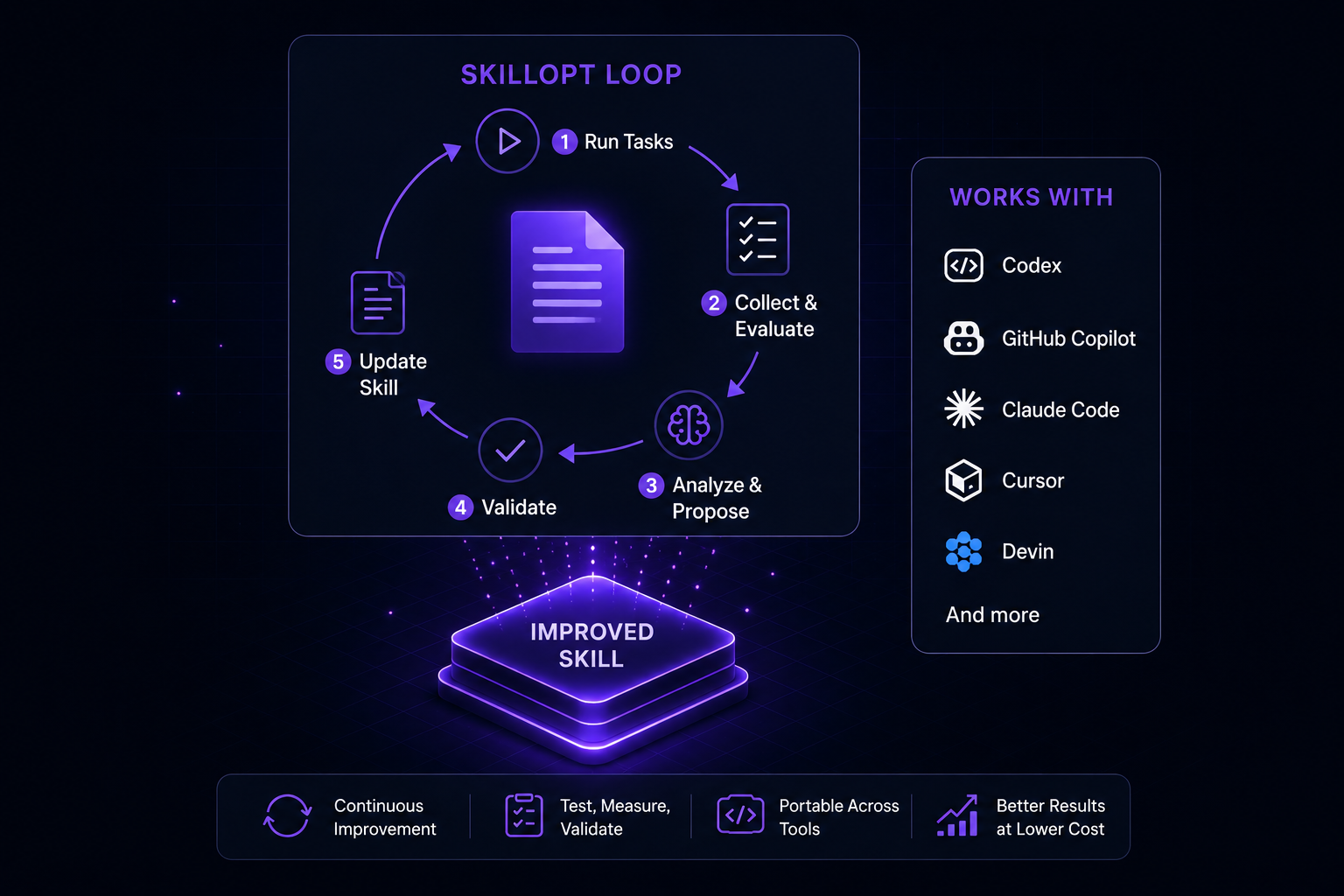
Microsoft’s SkillOpt shows how AI coding agents can improve through self-evolving skills without retraining the model or rebuilding the agent harness.

Ashton Kutcher is departing Sound Ventures, the firm he co-founded 11 years ago, to launch a new early-stage venture capital fund with former NFX partner Morgan Beller.

Anthropic has released Claude Sonnet 5 with a 1 million token context window while securing US Department of Commerce clearance to bring back its sidelined Fable 5 and Mythos 5 models.