Improving Your AI Coding Agent Without switching the Model or touching the harness
Microsoft’s SkillOpt shows how AI coding agents can improve through self-evolving skills without retraining the model or rebuilding the agent harness.
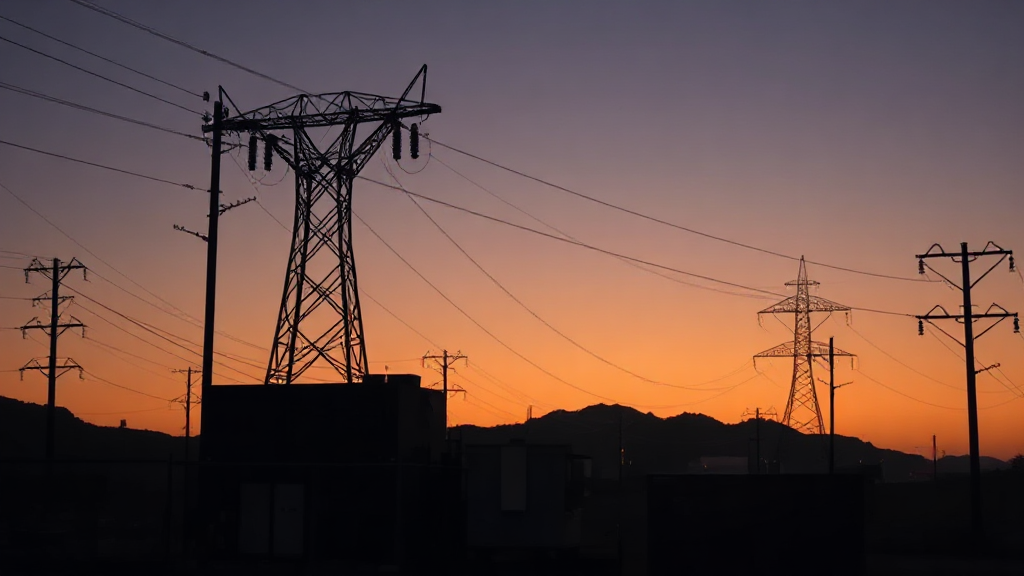
Arizona Public Service proposed a 45 percent electricity-rate increase for data centers on Thursday, aiming to shift the grid-expansion costs of artificial intelligence infrastructure away from residential customers. The state's largest utility filed the proposal with regulators to ensure that large technology operators pay for the massive power generation and transmission upgrades required to support them.

The rate hike proposal highlights the growing tension between utility companies and tech giants over the energy demands of AI. Phoenix has become one of the largest data center markets in the world, but the rapid expansion is straining local power grids and sparking concerns about rising costs for everyday consumers.
According to some reports, Arizona Public Service (APS) wants to establish a new customer class specifically for data centers. Under the proposed framework, data centers would face a 14.5 percent overall rate increase, with some facilities seeing their electricity bills jump by up to 45 percent depending on their usage patterns.
The utility argues that the rapid influx of data centers requires billions of dollars in new capital investments. Without a targeted rate increase, those costs would be distributed across all rate-payers, effectively forcing residential customers to subsidize the infrastructure needed by tech companies.
Under the utility's plan, data centers would also be required to sign long-term power contracts. These agreements would obligate tech operators to pay for a minimum amount of electricity even if their actual usage drops, protecting the utility from stranded asset risks if the AI boom cools.
The WSJ report notes that the proposed framework includes several key provisions:
The regulatory push in Arizona coincides with rising public skepticism toward physical internet infrastructure. A survey conducted by Public First and published by the Financial Times reveals that only 26 percent of Americans support increased data center construction.
This represents the lowest level of support among 15 large countries surveyed, including Brazil, Japan, the United Kingdom, and Canada. The lack of domestic enthusiasm complicates efforts by tech companies to secure the land, water, and power permits necessary to build out AI clusters.
The Financial Times report on the Public First data shows that while Americans widely adopt AI tools, they remain highly sensitive to the local environmental and economic impacts of the physical facilities that power them. Concerns over water usage for cooling and localized grid reliability drive much of the opposition.
The power crunch is forcing major tech companies to rethink their infrastructure roadmaps. In an interview with Stratechery, Microsoft CEO Satya Nadella discussed the competitive dynamics of securing energy, noting that power availability has become a primary bottleneck for deploying next-generation AI models.
Nadella indicated that energy availability, rather than chip supply, is now the defining constraint for scaling data center footprints. As utilities like APS push back on infrastructure costs, tech companies must navigate increasingly complex regulatory environments to secure the gigawatts needed for future AI training runs.
Subscribe wiring is coming soon. For now, follow the daily news feed or connect on LinkedIn for updates.
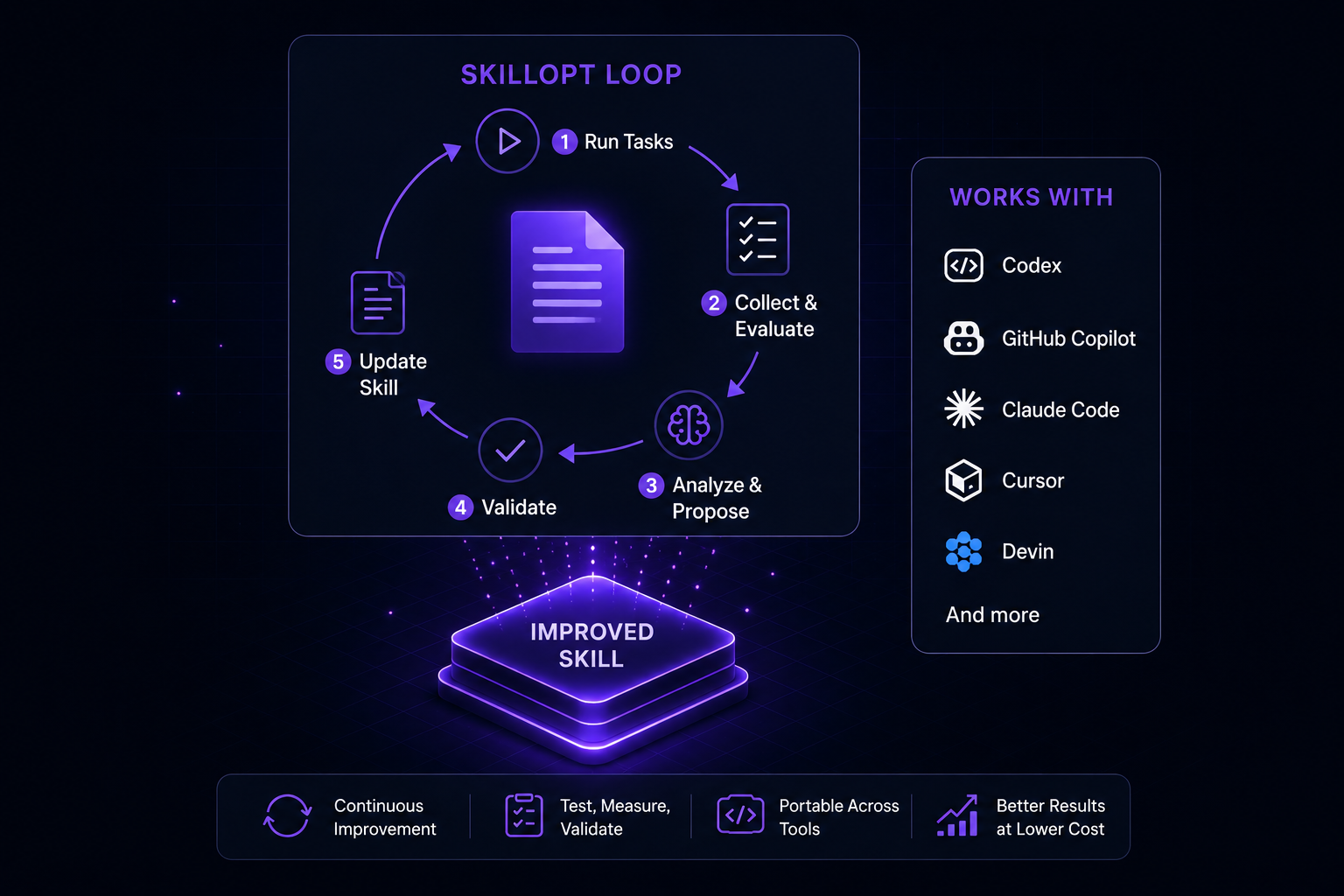
Microsoft’s SkillOpt shows how AI coding agents can improve through self-evolving skills without retraining the model or rebuilding the agent harness.

Ashton Kutcher is departing Sound Ventures, the firm he co-founded 11 years ago, to launch a new early-stage venture capital fund with former NFX partner Morgan Beller.
Anthropic has released Claude Sonnet 5 with a 1 million token context window while securing US Department of Commerce clearance to bring back its sidelined Fable 5 and Mythos 5 models.