Improving Your AI Coding Agent Without switching the Model or touching the harness
Microsoft’s SkillOpt shows how AI coding agents can improve through self-evolving skills without retraining the model or rebuilding the agent harness.
The U.S. government has blocked Anthropic's Fable and Mythos artificial intelligence models from general release, forcing the company to pull the systems offline and dispatch executives to Washington, D.C. The regulatory freeze has now expanded to OpenAI, which launched its GPT-5.6 model suite on Friday under a highly restricted, customer-by-customer federal approval process.

The sudden intervention by the Trump administration marks a major shift in federal oversight of frontier artificial intelligence models. While Anthropic's Mythos model remains stuck in a prolonged preview phase with no clear path to public availability, OpenAI is attempting to navigate the same regulatory hurdles by staggering its latest release through a tightly controlled, multi-phase rollout.
The federal government is asserting unprecedented authority over the deployment of highly capable AI systems. The administration's sudden removal of Anthropic's Fable and Mythos models from active preview has disrupted the company's product roadmap, leaving enterprise customers without access to the high-end systems they had been testing for months.
The same regulatory pressure has forced OpenAI to alter its launch strategy. The model suite will only be available in a limited preview. Under this arrangement, federal regulators must approve access on a customer-by-customer basis before OpenAI can transition to a general release.
Despite the regulatory friction, OpenAI proceeded with the limited launch of its GPT-5.6 suite on Friday. The release includes three distinct models:
OpenAI is positioning GPT-5.6 Sol aggressively against Anthropic's offline models. Sol is priced at $5 per million input tokens and $30 per million output tokens. This rate is roughly half the cost of Anthropic's Claude Fable 5, which was priced at $10 input and $50 output before its sudden removal.
OpenAI's new suite introduces specialized modes designed to handle complex, multi-step workflows. The flagship Sol model includes a "max" mode for deeper reasoning and an "ultra" mode for managing sub-agents. These agentic capabilities are precisely what has drawn intense scrutiny from Washington regulators.
Anthropic's Mythos model was similarly designed for long-horizon agentic tasks before the government intervened. The parallel capabilities of both systems suggest that federal oversight is specifically targeting models capable of autonomous planning and execution. This focus has effectively leveled the playing field, forcing both rivals to solve regulatory compliance before they can compete on raw performance.
The prolonged absence of Anthropic's models and the restricted state of OpenAI's GPT-5.6 have triggered concerns across the tech sector. Reports warn that even a few weeks of regulatory delay can severely limit the economic upside of these highly expensive systems.
If the pace of model development slows as a result of ongoing federal reviews, the chilling effect could extend to the massive data center buildouts currently underway. Both OpenAI and Anthropic now find themselves in the same defensive position, forced to adapt to a new era of direct government intervention.
Subscribe wiring is coming soon. For now, follow the daily news feed or connect on LinkedIn for updates.
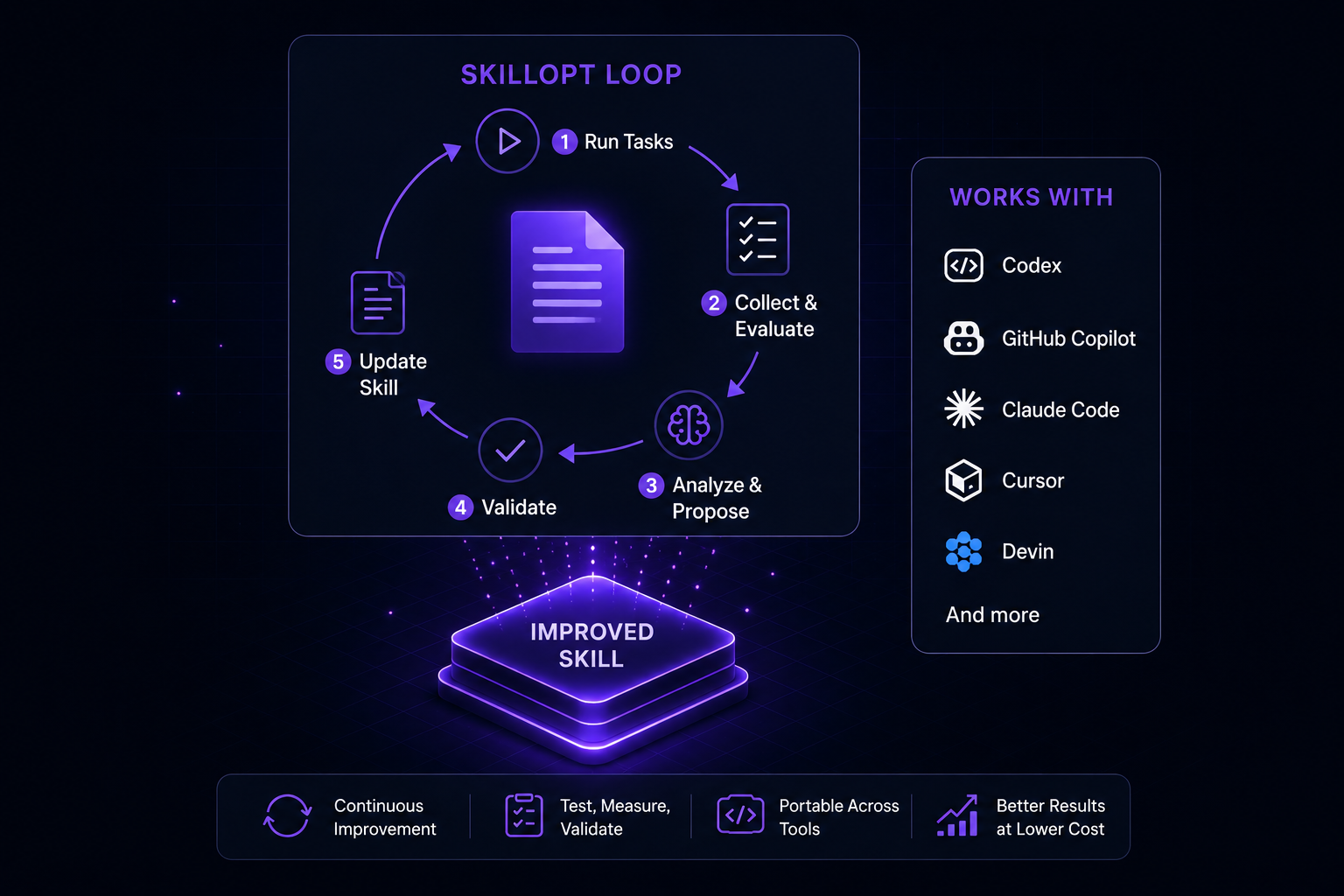
Microsoft’s SkillOpt shows how AI coding agents can improve through self-evolving skills without retraining the model or rebuilding the agent harness.

Ashton Kutcher is departing Sound Ventures, the firm he co-founded 11 years ago, to launch a new early-stage venture capital fund with former NFX partner Morgan Beller.

Anthropic has released Claude Sonnet 5 with a 1 million token context window while securing US Department of Commerce clearance to bring back its sidelined Fable 5 and Mythos 5 models.