Improving Your AI Coding Agent Without switching the Model or touching the harness
Microsoft’s SkillOpt shows how AI coding agents can improve through self-evolving skills without retraining the model or rebuilding the agent harness.

Amazon introduced a new feature in its Shopping app on Monday, June 8, 2026, allowing users to generate custom merchandise designs using conversational AI prompts via Alexa and print them directly onto physical products. The integration connects Amazon's consumer-facing AI with its existing Merch on Demand print-on-demand infrastructure.
The update lowers the barrier to entry for custom physical goods, enabling users to create one-off apparel, tumblers, and hoodies without professional design skills. However, the move immediately intensifies competition for established creator platforms and reignites long-standing debates over the use of copyrighted artist data to train generative models.
Under the new system, users access the design tool directly through the Alexa interface within the Amazon Shopping app. By describing their concept in natural language, customers can generate visual assets that Amazon automatically formats for physical products.
Once a user approves a generated design, Amazon handles the entire backend pipeline. The company's Merch on Demand service prints the design onto the selected item, manages the transaction, and ships the finished product using Amazon's Prime delivery network.
According coverage of the launch, the service is positioned for casual, everyday use cases. Amazon suggested the tool could be used for printing personalized family reunion T-shirts, custom gifts, or items featuring AI-generated portraits of household pets.
By embedding generative design tools directly into its primary shopping application, Amazon poses a direct threat to established print-on-demand marketplaces. Platforms like Redbubble, Bonfire, Spring, and Fourthwall have historically served as the primary hubs for independent creators looking to monetize custom merchandise.
Amazon's massive existing user base and built-in Prime shipping logistics give it a significant structural advantage over these specialized platforms. While independent services often require creators to manage storefronts and market their products, Amazon's new feature targets immediate, single-purchase consumer transactions.
The convenience of generating a design and checking out within a single app could divert casual buyers away from dedicated creator platforms, shifting the economics of the custom merchandise market toward centralized retail ecosystems.
While the feature simplifies product creation for consumers, it is likely to face resistance from the creative community. Generative AI models rely on vast datasets of existing images, often scraped from the internet without the explicit consent of the original creators.
Artists whose work has been used to train these underlying models have previously protested similar commercial implementations. The automated generation of merchandise designs directly competes with human illustrators and graphic designers who sell their work on Amazon's platform and elsewhere.
Amazon has not disclosed the specific training datasets or the exact model architecture powering the Alexa design feature, leaving open questions about licensing and compensation for artists whose styles may be replicated by the system.
Amazon's launch coincides with a broader industry push to make generative AI tools more accessible to non-technical users. On the same day, Apple announced several AI initiatives at its Worldwide Developers Conference, including updates to its Shortcuts app that allow users to build complex automation workflows using natural language prompts.
Apple also introduced measures to lower infrastructure costs for smaller creators, offering free access to its foundation models in Private Cloud Compute for developers with fewer than 2 million downloads.
These parallel developments highlight a growing trend among major technology firms to integrate generative capabilities directly into consumer operating systems and retail platforms, shifting AI from a standalone novelty into an invisible backend utility.
Subscribe wiring is coming soon. For now, follow the daily news feed or connect on LinkedIn for updates.
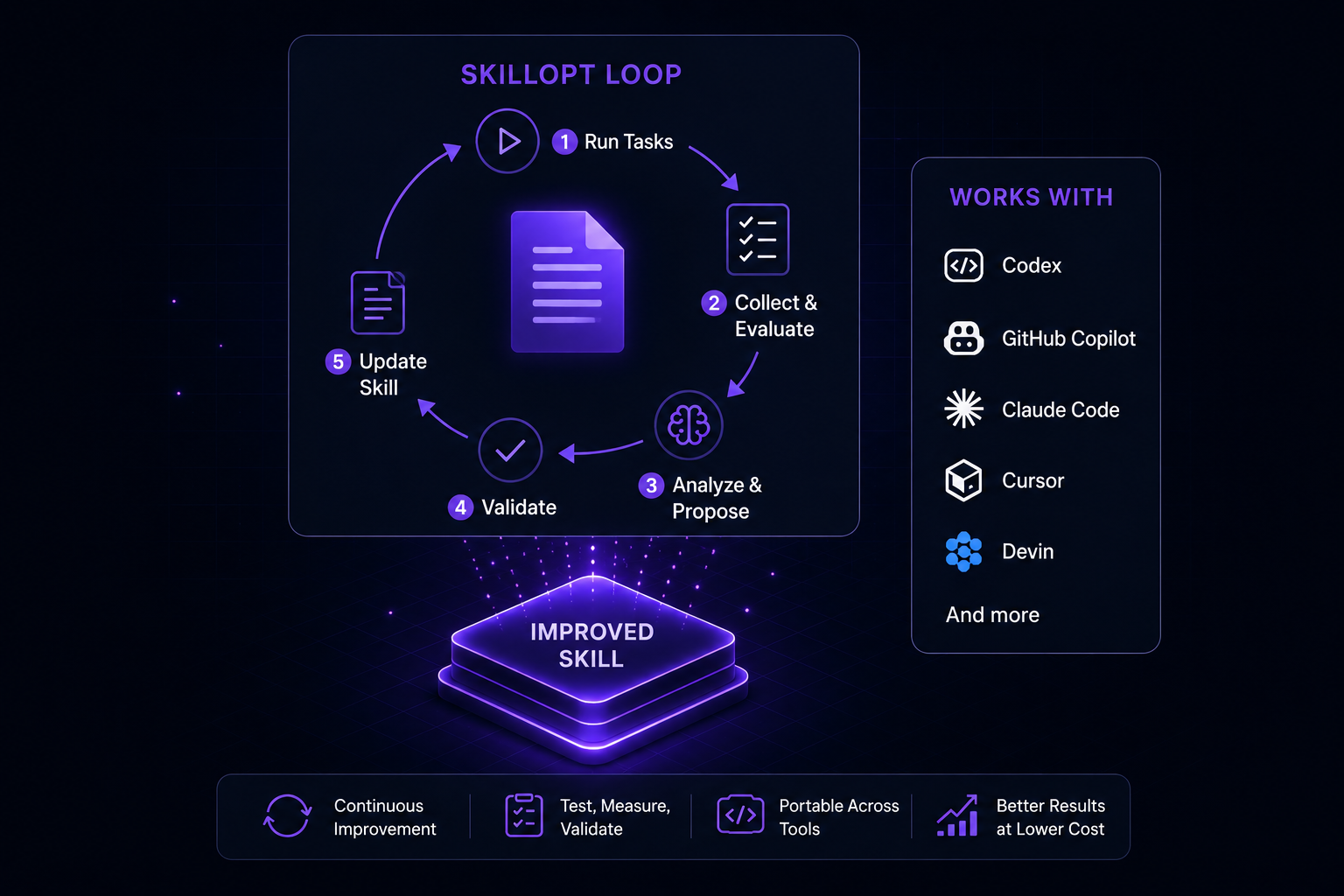
Microsoft’s SkillOpt shows how AI coding agents can improve through self-evolving skills without retraining the model or rebuilding the agent harness.

Ashton Kutcher is departing Sound Ventures, the firm he co-founded 11 years ago, to launch a new early-stage venture capital fund with former NFX partner Morgan Beller.

Anthropic has released Claude Sonnet 5 with a 1 million token context window while securing US Department of Commerce clearance to bring back its sidelined Fable 5 and Mythos 5 models.