Improving Your AI Coding Agent Without switching the Model or touching the harness
Microsoft’s SkillOpt shows how AI coding agents can improve through self-evolving skills without retraining the model or rebuilding the agent harness.
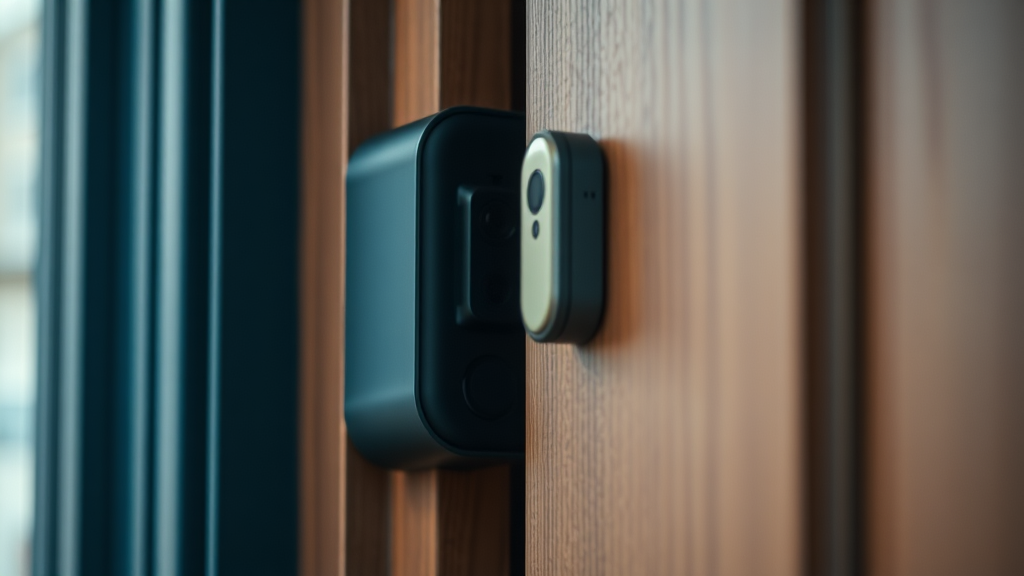
Amazon was sued in a Seattle federal court on Monday over allegations that its Ring doorbell cameras violate privacy laws by scanning and storing biometric data of passersby without their consent. The class action lawsuit targets Ring's "Familiar Faces" feature, an artificial intelligence tool launched late last year.
The lawsuit, filed by Virginia resident Charles Sigwalt, claims that the smart-home surveillance devices capture, analyze, and store the facial templates of millions of unsuspecting neighbors, delivery workers, and pedestrians. While Ring requires device owners to opt into the feature, the lawsuit argues that the technology illegally processes the biometric identifiers of third parties who have no way to consent.
According to the filing, the complaint alleges that millions of Americans have had their biometric data harvested without knowledge or permission. The plaintiff, Sigwalt, argues that Ring's practices violate state privacy laws regarding the unauthorized collection and storage of biometric identifiers.
The legal challenge seeks class action status to represent other individuals whose faces were scanned by Ring devices. The lawsuit contends that Amazon's storage of these facial templates creates ongoing privacy risks, as individuals cannot change their biometric data if a data breach occurs.
Ring introduced the Familiar Faces feature to allow doorbell cameras to recognize frequent visitors. When a recognized person, such as a family member or a regular mail carrier, approaches the door, the system sends a customized notification.
Instead of a generic alert stating that a person is at the door, the device can specify the individual's name. To achieve this, the system uses computer vision algorithms to analyze facial features and compare them against a database of stored profiles created by the device owner.
While Ring designed the feature to require an explicit opt-in from the camera owner, the technology inherently scans everyone within the camera's field of view. This includes neighbors walking on public sidewalks, delivery drivers, and visitors to adjacent properties.
The feature has faced criticism since its initial announcement. Organizations like the Electronic Frontier Foundation (EFF) warned that widespread deployment of residential facial recognition would create an invasive, decentralized surveillance network. Senator Ed Markey (D-MA) also questioned the safety and privacy implications of the technology, urging the company to halt its deployment.
Despite the pushback, Amazon proceeded with its rollout plans, officially launching the feature in December. The company argued that the opt-in requirement for device owners provided sufficient privacy safeguards, a claim now directly challenged by the lawsuit.
The lawsuit highlights a growing legal conflict over consumer surveillance and biometric privacy. Because Ring cameras are positioned facing outward toward public spaces, they capture data from individuals who have no direct relationship with the device owner or Amazon.
As detailed in lawsuit, the complaint argues that Amazon has failed to establish a mechanism to obtain consent from these passersby. It also alleges that the company does not provide a clear method for non-users to request the deletion of their captured biometric data.
Amazon has not yet filed a formal response to the lawsuit in court. The case could set a significant precedent for how smart-home companies manage biometric data captured from public spaces.
Subscribe wiring is coming soon. For now, follow the daily news feed or connect on LinkedIn for updates.
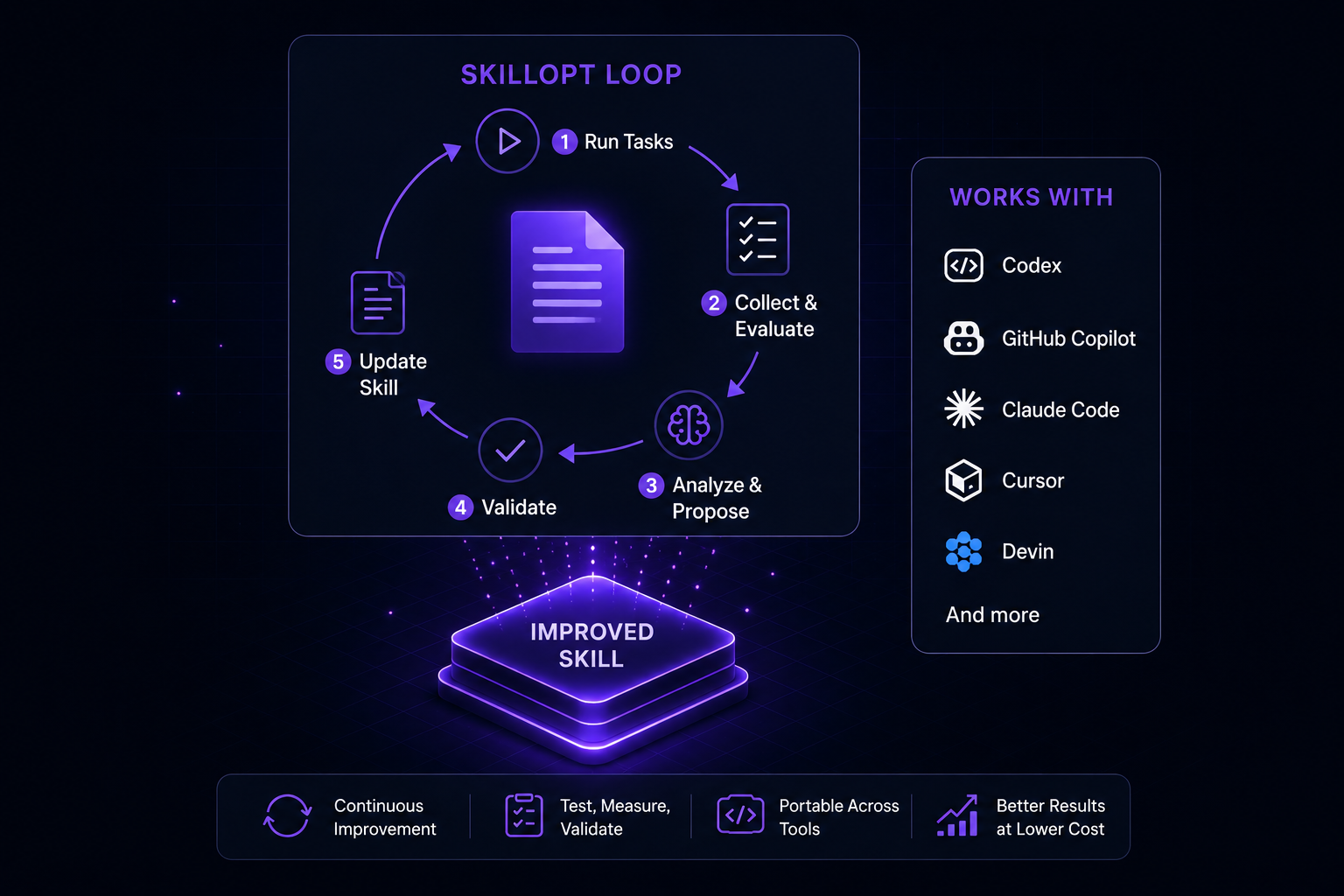
Microsoft’s SkillOpt shows how AI coding agents can improve through self-evolving skills without retraining the model or rebuilding the agent harness.

Ashton Kutcher is departing Sound Ventures, the firm he co-founded 11 years ago, to launch a new early-stage venture capital fund with former NFX partner Morgan Beller.

Anthropic has released Claude Sonnet 5 with a 1 million token context window while securing US Department of Commerce clearance to bring back its sidelined Fable 5 and Mythos 5 models.