Improving Your AI Coding Agent Without switching the Model or touching the harness
Microsoft’s SkillOpt shows how AI coding agents can improve through self-evolving skills without retraining the model or rebuilding the agent harness.

Alibaba Group Holding announced on Thursday that it is opening its Qwen large language model to third-party AI agents, allowing external merchants like KFC and bubble tea chain Mixue to build services directly within its ecosystem. The Chinese e-commerce giant reported that its Qwen mobile application already processes more than 100 million daily engagements for lifestyle services.

The move represents Alibaba's latest push to establish Qwen as China's dominant next-generation digital gateway, mirroring the mini-program ecosystems that defined the mobile internet era. By integrating merchant agents, Alibaba aims to transform its generative AI platform from a simple conversational chatbot into an active transactional hub for food delivery, travel booking, and local commerce.
Under the new initiative, users can interact with specialized AI agents built by third-party brands directly inside the Qwen app. For example, a user can order fried chicken from KFC or bubble tea from Mixue without leaving the chat interface. The South China Morning Post's reporting on the launch notes that these agents handle complex, multi-step user requests.
Rather than relying on static menus, the agents use natural language processing to customize orders, apply discounts, and coordinate deliveries. Alibaba is providing developers with APIs and integration tools to connect their existing backend inventory and ordering systems directly to Qwen's conversational interface.
Alibaba's Qwen app has rapidly grown into a major channel for daily consumer activities in China. The company revealed that the platform now handles over 100 million daily lifestyle services engagements, ranging from drafting travel itineraries to booking local services. As detailed in the South China Morning Post, this volume highlights strong consumer appetite for AI-driven utility.
By capturing these daily interactions, Alibaba hopes to build a massive repository of user intent data. This data can help refine Qwen's recommendation algorithms, making the AI assistant increasingly accurate at predicting consumer needs and suggesting relevant third-party services before the user explicitly asks for them.
The open-agent strategy is a direct challenge to Tencent's WeChat, which currently dominates daily digital life in China through its ubiquitous mini-programs. Alibaba's strategy to turn Qwen into a digital fixer represents a paradigm shift from app-centric ecosystems to agent-centric ones, where natural language replaces touch screens.
Other Chinese tech giants, including Baidu and ByteDance, are also racing to deploy their own agent frameworks. However, Alibaba's deep integration with retail, logistics, and cloud infrastructure gives Qwen a distinct advantage in executing physical-world transactions, such as dispatching delivery drivers or processing payments through Alipay.
Despite the initial momentum, Alibaba faces significant hurdles in scaling this open ecosystem. Ensuring the reliability of third-party agents is a primary concern, as hallucinated responses or broken API connections could lead to incorrect orders and frustrated customers. Alibaba must establish strict quality control guidelines for external developers.
Data privacy and revenue sharing also remain unresolved challenges. Merchants may hesitate to share deep customer interaction data with Alibaba, while Alibaba must balance monetization with user experience. How the company manages these relationships will determine if Qwen can truly become the operating system for China's AI era.
Subscribe wiring is coming soon. For now, follow the daily news feed or connect on LinkedIn for updates.
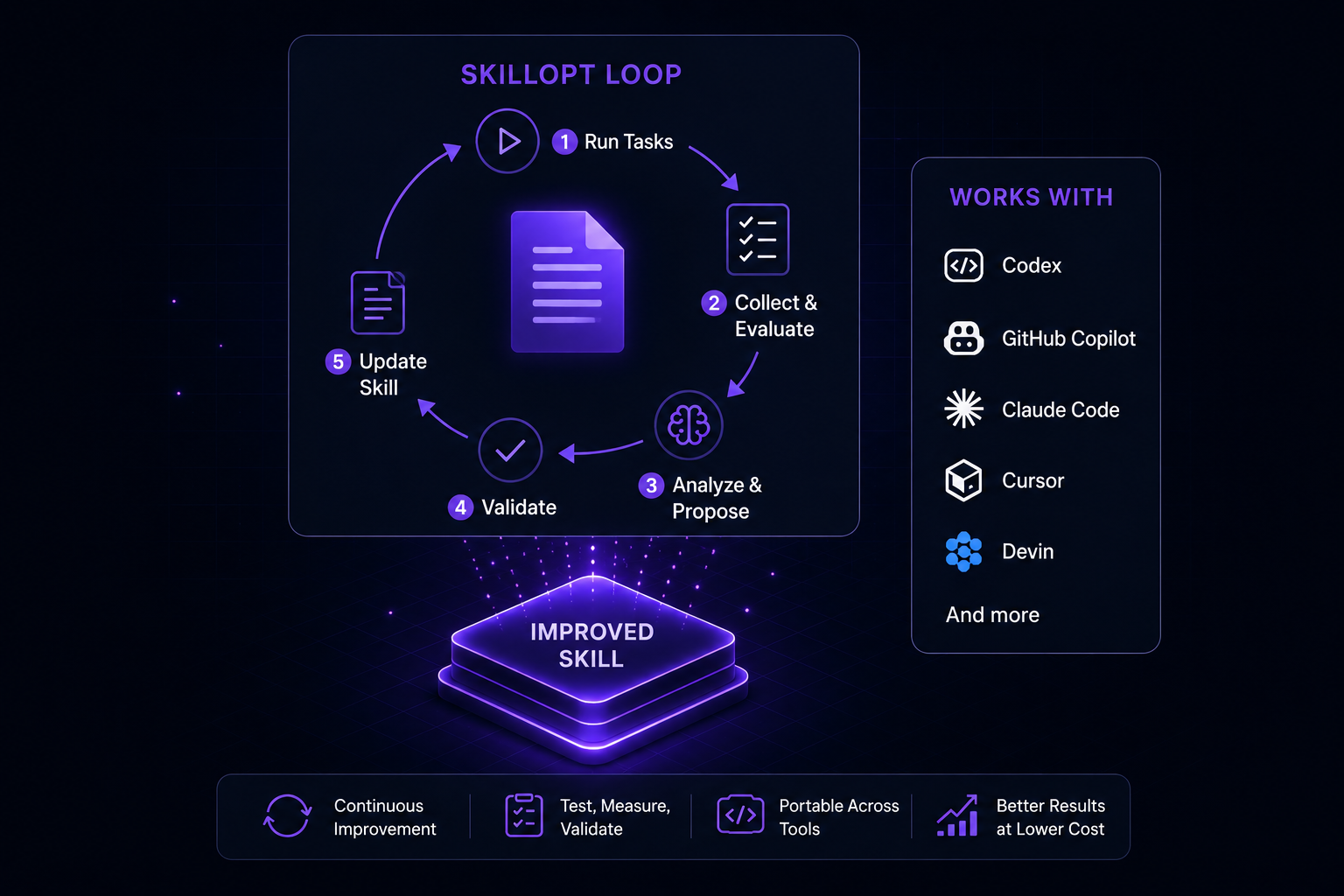
Microsoft’s SkillOpt shows how AI coding agents can improve through self-evolving skills without retraining the model or rebuilding the agent harness.

Ashton Kutcher is departing Sound Ventures, the firm he co-founded 11 years ago, to launch a new early-stage venture capital fund with former NFX partner Morgan Beller.

Anthropic has released Claude Sonnet 5 with a 1 million token context window while securing US Department of Commerce clearance to bring back its sidelined Fable 5 and Mythos 5 models.