Improving Your AI Coding Agent Without switching the Model or touching the harness
Microsoft’s SkillOpt shows how AI coding agents can improve through self-evolving skills without retraining the model or rebuilding the agent harness.
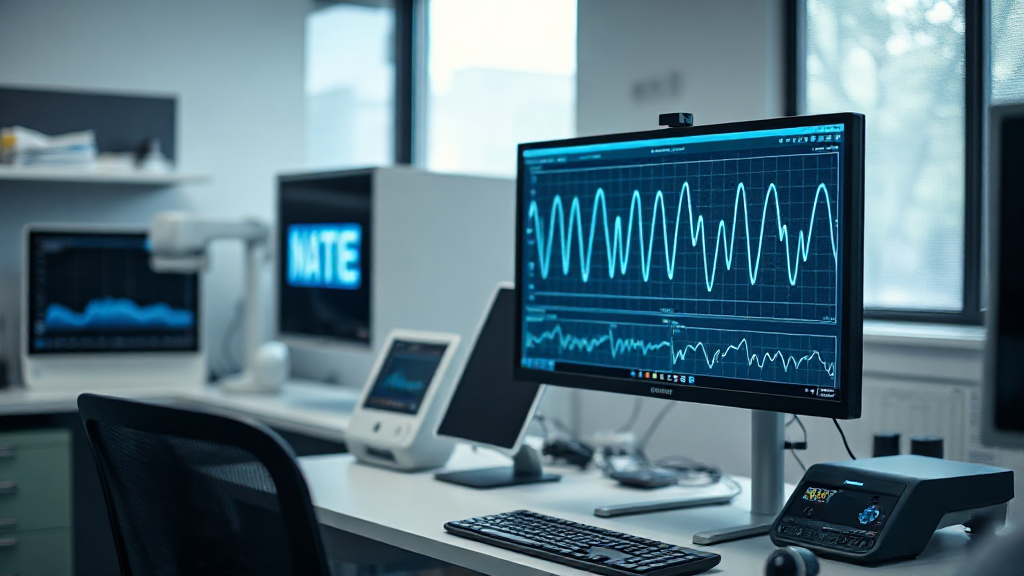
A research team at the University of California, Davis, has successfully enabled a speechless ALS patient to communicate with 92 percent accuracy and maintain full-time employment using a novel brain-computer interface paired with advanced machine learning models. The system, detailed in The Register's report, represents a significant milestone in neuroprosthetics by translating neural signals into text and synthesized speech in near-real-time.

The patient, Casey Harrell, who lost the ability to speak due to amyotrophic lateral sclerosis (ALS), can now participate in video meetings, draft emails, and interact with colleagues. While the physical electrode hardware relies on existing medical technology, the breakthrough lies in the machine learning algorithms that interpret complex brain activity and drastically reduce translation errors.
Previous brain-computer interfaces (BCIs) often struggled with high error rates and slow translation speeds, making them impractical for professional environments. UC Davis team overcame these limitations by implementing a multi-layered machine learning architecture that decodes neural patterns associated with phonemes—the individual sounds that make up words.
Instead of trying to recognize whole words directly, which requires massive computational overhead and extensive training data, the system breaks down the patient's intended speech into these basic phonetic building blocks. This approach allows the system to achieve a 92 percent accuracy rate, a substantial improvement over older models that frequently hovered around 70 to 80 percent accuracy.
The training process required the patient to attempt to speak specific phrases while the system recorded corresponding brain activity from the implanted microelectrode arrays. The machine learning model was then trained on this dataset to map specific neural firing patterns to phonetic outputs.
The system also incorporates a language model that acts as a real-time autocorrect, predicting the most likely next words based on context. This dual-model approach—combining direct neural decoding with predictive language processing—ensures that even if the neural decoder misinterprets a phoneme, the language model can often correct the error before the sentence is finalized.
For Harrell, the practical impact of this technology has been transformative. The system's speed and accuracy have allowed him to resume working a full-time job, a feat previously considered impossible for individuals with advanced ALS. The system outputs both text on a screen and a synthesized voice modeled on Harrell's pre-ALS speech, allowing for natural, conversational interactions.
As reported, this level of functional restoration demonstrates that modern AI-driven neuroprosthetics can move beyond laboratory demonstrations and provide meaningful, real-world utility. The ability to handle professional tasks and maintain employment represents a new benchmark for BCI efficacy.
Despite the success of the UC Davis study, several technical hurdles remain before such systems can be widely deployed. The current setup requires invasive surgery to implant the microelectrode arrays directly into the brain's motor cortex. These implants carry inherent medical risks, including infection and tissue scarring, which can degrade signal quality over time.
Additionally, the system still requires periodic recalibration to account for shifts in electrode positioning and changes in neural patterns. Researchers are currently working on self-calibrating algorithms that can adapt to these changes automatically, reducing the need for clinical intervention and making the technology more viable for long-term, independent use.
Subscribe wiring is coming soon. For now, follow the daily news feed or connect on LinkedIn for updates.
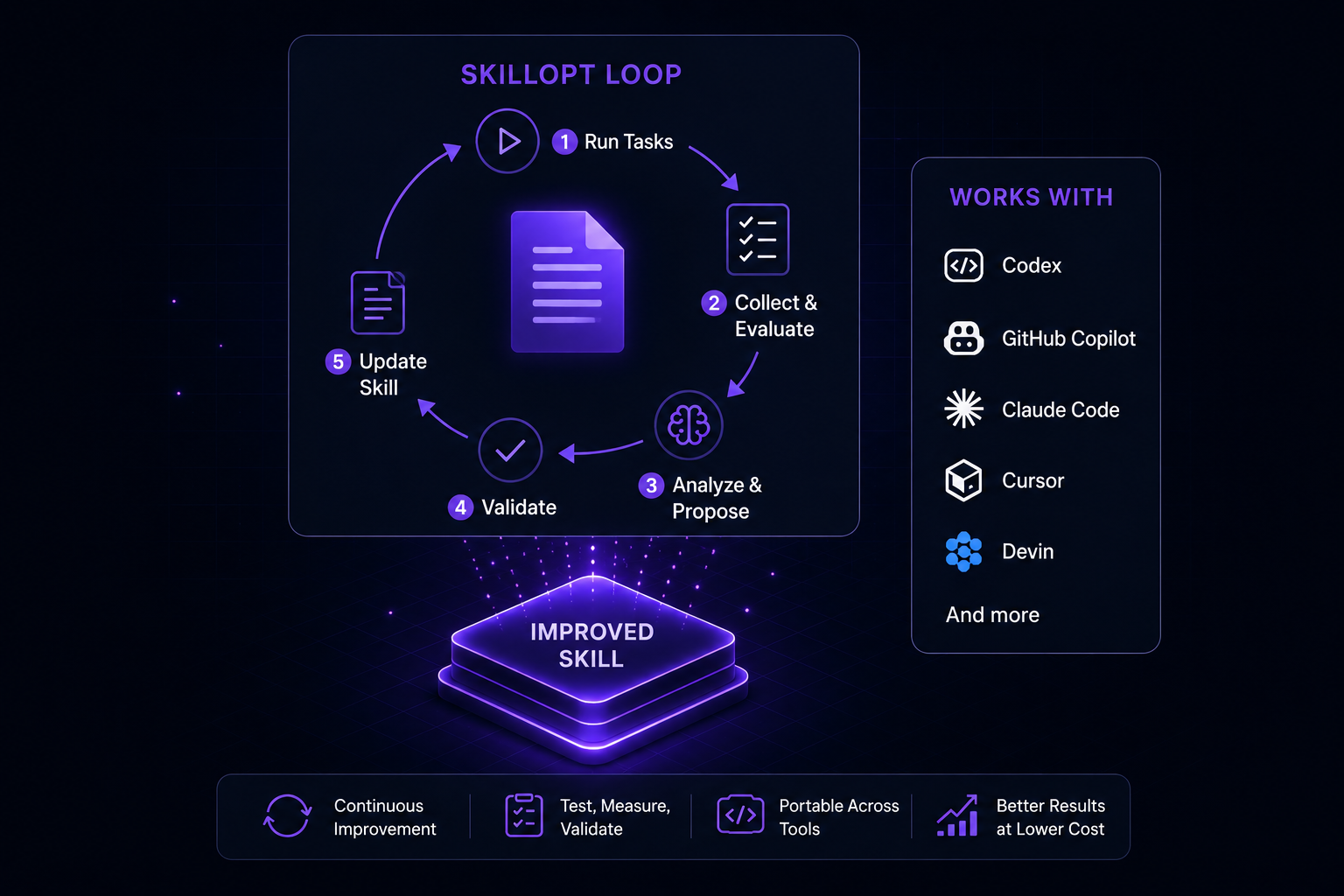
Microsoft’s SkillOpt shows how AI coding agents can improve through self-evolving skills without retraining the model or rebuilding the agent harness.

Ashton Kutcher is departing Sound Ventures, the firm he co-founded 11 years ago, to launch a new early-stage venture capital fund with former NFX partner Morgan Beller.

Anthropic has released Claude Sonnet 5 with a 1 million token context window while securing US Department of Commerce clearance to bring back its sidelined Fable 5 and Mythos 5 models.