Improving Your AI Coding Agent Without switching the Model or touching the harness
Microsoft’s SkillOpt shows how AI coding agents can improve through self-evolving skills without retraining the model or rebuilding the agent harness.

A California federal judge rejected Meta's motion to dismiss a copyright infringement lawsuit filed by adult film producers Strike 3 Holdings and Counterlife Media, ruling that the tech giant must face allegations it used BitTorrent to download pirated videos for AI training.

The lawsuit, originally filed last summer, accuses Meta of using unauthorized copies of the plaintiffs' adult films to train its artificial intelligence models. Meta had argued that the IP address evidence presented by the plaintiffs was insufficient to prove corporate liability, but the court's decision clears the way for the case to proceed to discovery.
According to TorrentFreak's report on the lawsuit, Strike 3 Holdings identified multiple IP addresses registered to Meta that were actively participating in BitTorrent swarms. These swarms were distributing proprietary adult films owned by Strike 3 and Counterlife Media.
Strike 3 is widely recognized as the most active copyright litigant in the United States, typically filing thousands of lawsuits against individual BitTorrent users. In this case, however, the company turned its forensic tracking tools toward Meta's corporate network, alleging that the downloaded files were directly utilized to assist in training Meta's generative AI models.
Meta filed its motion to dismiss in October 2025, arguing that the IP address data was stripped of necessary context. The company compared its defense to those used by individual defendants in standard BitTorrent piracy cases, asserting that an IP address associated with a corporate network does not prove central orchestration by the company itself.
Furthermore, Meta argued that many of the alleged downloads occurred before the company began its formal AI training initiatives. The company maintained that the plaintiffs failed to show a direct link between the network activity and any specific AI development pipeline, making the copyright claims speculative.
The district judge rejected Meta's arguments, holding that the plaintiffs' allegations were sufficiently plausible to survive the initial pleading stage. By denying the motion to dismiss, the court ruled that Strike 3 and Counterlife Media had met the baseline legal standard required to advance the litigation.
The decision means Meta must now file a formal answer to the complaint. The case will proceed to the discovery phase, which could allow the plaintiffs to demand internal Meta communications, server logs, and training dataset inventories to verify if the pirated adult content was ingested into Meta's systems.
The lawsuit represents a distinct shift from other high-profile AI copyright disputes. While authors, visual artists, and news publishers have sued tech firms over web scraping, Strike 3's case relies on direct network piracy logs. Coverage of the motion highlights that this focus on BitTorrent protocol activity introduces unique evidentiary hurdles for both sides.
Meta has faced multiple legal challenges over its data-gathering practices for LLaMA and other AI models. While some courts have narrowed the scope of copyright claims brought by authors, the survival of Strike 3's BitTorrent-focused suit ensures that Meta's network data-gathering methods will remain under intense judicial scrutiny.
Subscribe wiring is coming soon. For now, follow the daily news feed or connect on LinkedIn for updates.
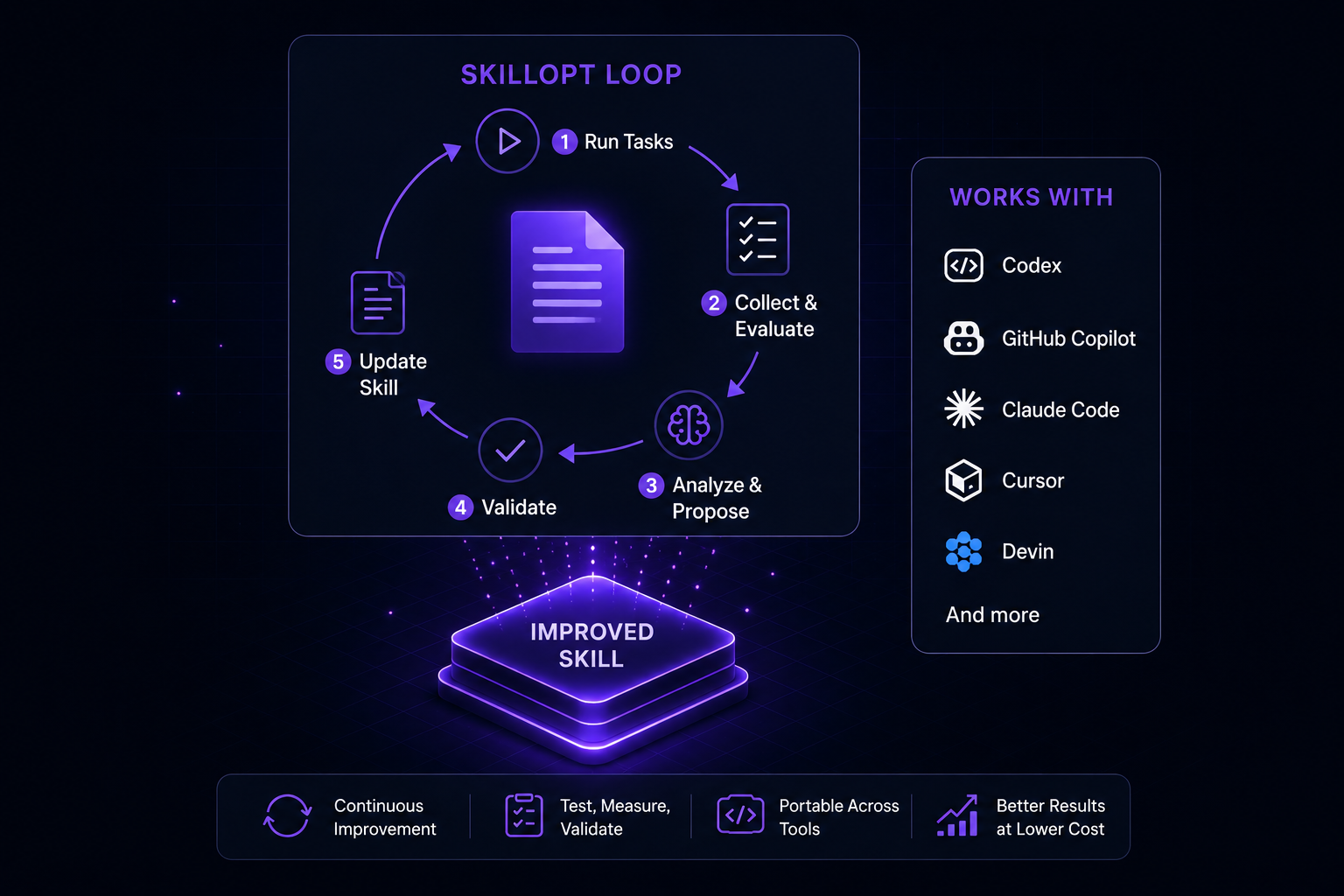
Microsoft’s SkillOpt shows how AI coding agents can improve through self-evolving skills without retraining the model or rebuilding the agent harness.

Ashton Kutcher is departing Sound Ventures, the firm he co-founded 11 years ago, to launch a new early-stage venture capital fund with former NFX partner Morgan Beller.

Anthropic has released Claude Sonnet 5 with a 1 million token context window while securing US Department of Commerce clearance to bring back its sidelined Fable 5 and Mythos 5 models.