This Humanoid Robot Is a Terrifyingly Competent Office Intern
Swiss startup Flexion Robotics has developed a simulation-first training method that allows humanoid robots to autonomously perform complex office chores.
technologyreview.comwired.com
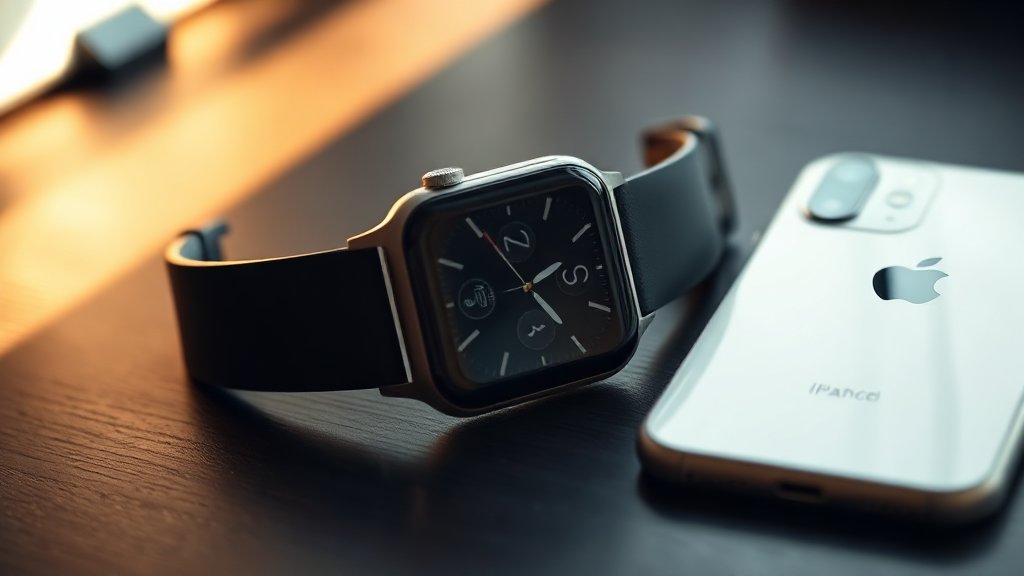
Apple is planning a major overhaul of its health tracking strategy and wearable device lineup to counter rising competition from specialized fitness trackers and smart rings. According to a Bloomberg report published Sunday, the company is also preparing significant updates for iOS 27, including a redesigned AirPods control panel and native support for competing streaming protocols like Google Cast.
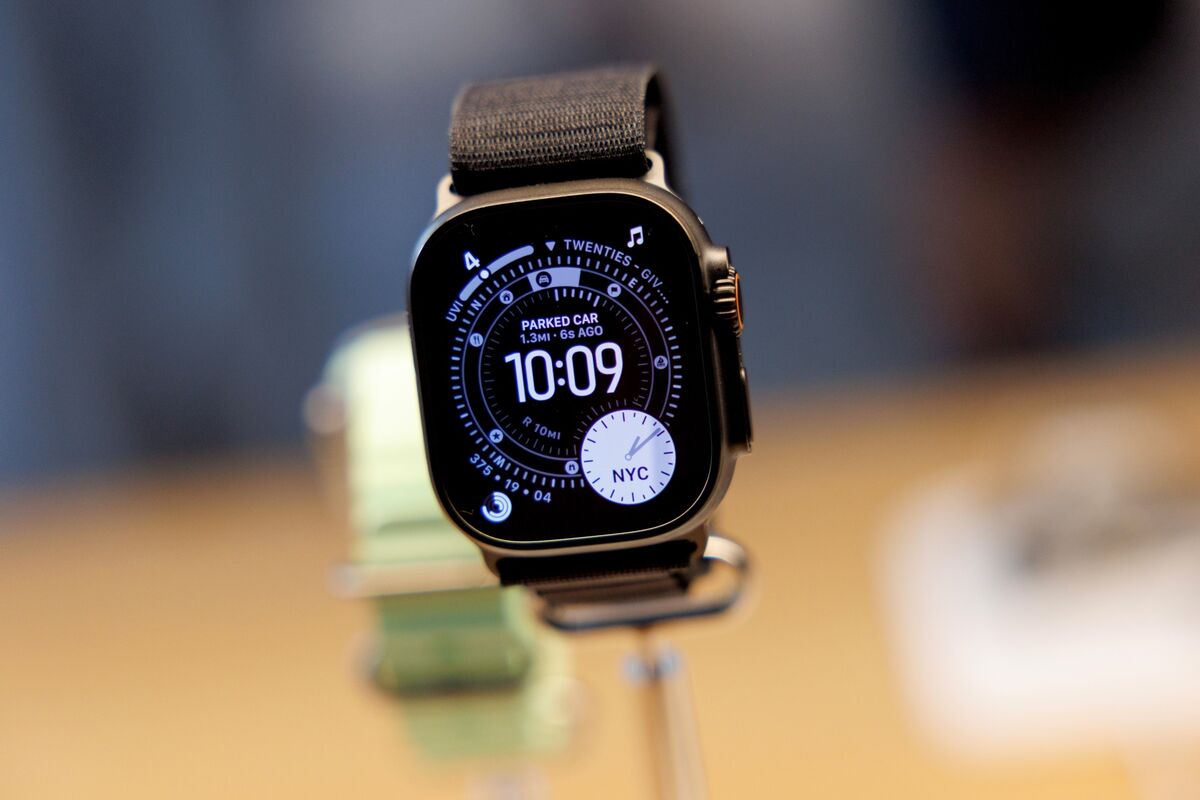
The planned software and hardware changes arrive as the Apple Watch enters its second decade. While the device remains a dominant force in the smartwatch category, niche competitors focusing on sleep recovery, continuous monitoring, and minimalist designs have chipped away at Apple's health-focused customer base, prompting internal pressure to refresh the product line.
The broader health and fitness wearables market is pivoting away from general-purpose smartwatches. Consumers are increasingly turning to screenless trackers like Whoop and smart rings like Oura. These devices offer longer battery life and highly targeted recovery metrics that Apple's watch has struggled to match.
To counter this, Apple is reportedly re-evaluating its health sensor roadmap. The company has faced engineering hurdles in bringing non-invasive blood glucose monitoring and robust blood pressure tracking to market. These delays have left the Apple Watch relying on incremental sensor updates rather than major diagnostic breakthroughs.
Beyond health hardware, Apple is targeting its broader ecosystem with the upcoming iOS 27 release. The software update will feature a completely redesigned control panel for AirPods. This interface aims to simplify how users toggle noise cancellation, spatial audio, and device switching, addressing long-standing complaints about the current multi-layered settings menu.
Additionally, iOS 27 will introduce default support for third-party streaming protocols, including Google Cast. This represents a significant shift from Apple's historically closed AirPlay ecosystem. The change will allow iPhone users to beam audio and video directly to non-Apple receivers without relying on workaround applications or proprietary hardware.
The iOS 27 update will also bring enhancements to Apple's generative artificial intelligence features. The company plans to improve both Genmoji and its on-device image generation tools. These updates build on Apple's ongoing push to integrate local machine learning models across its operating systems, making personalized media creation faster and more accurate.
Furthermore, the report details a new ChatGPT-style Siri application slated for iOS 27. This revamped assistant will include an auto-deleting chats feature. The privacy-focused mechanism automatically purges conversation history after a set period, aligning with Apple's strict data privacy standards while offering advanced conversational capabilities.
Apple's efforts to revamp its wearables and software come amid aggressive moves from rivals. Google has continued to integrate Fitbit's health tracking suite deeper into its Pixel Watch lineup, while Samsung has expanded its ecosystem with its own smart ring. These competitors are targeting the exact health-conscious demographic that originally drove Apple Watch sales.
Without a significant hardware redesign or a breakthrough health sensor, Apple risks losing its premium positioning in the fitness space. The upcoming software changes in iOS 27 suggest the company is using its services and ecosystem integration to keep users locked in while it works on long-term hardware updates.
Subscribe wiring is coming soon. For now, follow the daily news feed or connect on LinkedIn for updates.

Swiss startup Flexion Robotics has developed a simulation-first training method that allows humanoid robots to autonomously perform complex office chores.

The arson trial of Jonathan Rinderknecht ended in a mistrial after prosecutors introduced his ChatGPT conversational history as evidence of intent, sparking pushback from jurors.

Apple's appeal against a London Court of Appeal ruling begins Monday at the UK Supreme Court, challenging a $502 million patent licensing requirement.